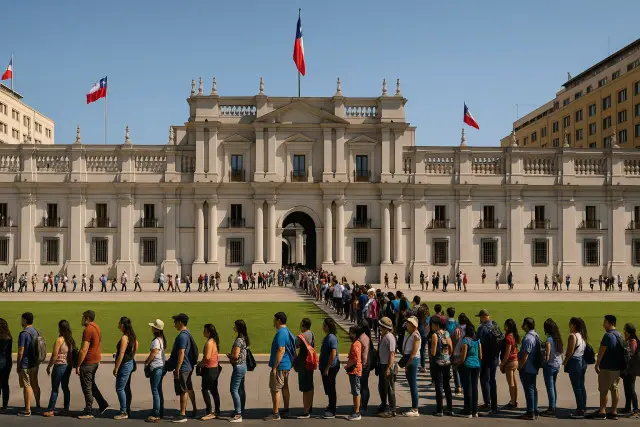
Heritage Day in Chile has become the country's most important cultural event, bringing together millions of people to celebrate the history, architecture, and traditions that shape national identity. This celebration, which originally began as Cultural Heritage Day, has evolved to embrace a much broader and more diverse vision, recognizing that heritage encompasses not only grand stone buildings but also customs, crafts, and the collective memory of communities. To understand the significance of this day, it is essential to explore its origins and how it has transformed Chileans' relationship with their historical environment.
What is Heritage Day in Chile and why did it change its name?
Heritage Day is a civic event for celebration and reflection that aims to facilitate public access to the diverse expressions of local cultural heritage. For one weekend a year, hundreds of public buildings, museums, libraries, and historical sites open their doors free of charge, allowing citizens to explore spaces that are usually closed to the public or require an entrance fee. This event is coordinated by the Ministry of Cultures, Arts, and Heritage, through the National Monuments Council, and is supported by public and private institutions throughout the country.
In recent years, the name of the celebration has changed from singular to plural: Heritage Day. This change was not merely aesthetic, but rather responded to a need for inclusion and representation. When speaking of heritage, the Chilean State recognizes that multiple identities coexist in the country, from the architectural heritage of large cities to the intangible heritage of Indigenous peoples, living human treasures, and rural traditions. This plurality allows every Chilean to feel part of history, regardless of their origin or geographic location, strengthening the sense of belonging and social cohesion.
Origin and evolution of this cultural festival
The history of this commemoration dates back to 1999, when the last Sunday in May was established by decree as the day to celebrate national heritage. In its first year, participation was modest but significant, with only a few buildings in downtown Santiago opening their doors. However, public interest grew exponentially, leading authorities to extend the celebration to the entire weekend to avoid overcrowding and allow people to visit more than one site of interest. Today, the event has become decentralized, reaching every corner of Chile's sixteen regions, from Visviri to Puerto Williams.
When is Heritage Day celebrated in 2026?
For those planning their activities, it's essential to know when Heritage Day 2026 is celebrated. Following established tradition, the event takes place during the last weekend of May. This date is strategic, as it falls at a time of year when the autumn weather is perfect for urban exploration and school communities are fully engaged in their learning cycles, allowing for the practical, hands-on experience of Chilean historical commemorations, explained in a simple way .
Why is it done over two days?
The extension to two days (Saturday and Sunday) is in response to high public demand. As a free activity with significant educational value, lines at iconic locations like La Moneda Palace and the Central Bank are often very long. Dividing the program over a full weekend allows for better management of visitor flow and gives institutions the opportunity to organize workshops, talks, and artistic performances that complement the guided tours. Furthermore, this promotes domestic tourism, as many families take the opportunity to travel to other regions to explore specific heritage sites, such as the nitrate mines in the north or the stilt houses in the south.
What activities can be done during Heritage Day?
The range of activities this weekend is overwhelming. It's not just about entering a building and looking at the walls; the program is designed to be interactive and educational. The institutions strive to offer experiences that connect the past with the present, using modern technologies or reviving ancestral techniques. It's one of the local festivals in Chile that mobilizes the most volunteers, many of them history or architecture students who act as guides.
Visits to historic buildings and palaces
The main attraction is usually the opening of government palaces and institutional buildings. In Santiago, the tour of La Moneda Palace is undoubtedly the most popular, allowing visitors to walk through the courtyards and halls where the most important decisions in the country's republican history were made. Other highlights include the Palace of Justice, the former National Congress building, and the various embassies housed in historic buildings in neighborhoods like Dieciocho and Yungay.
Tours of museums and cultural centers
All museums under the National Cultural Heritage Service offer free admission. This includes the National Museum of Fine Arts, the National History Museum, and the National Museum of Natural History. However, the charm also lies in the smaller community or themed museums, such as the Railway Museum in Quinta Normal Park or the site museums in archaeological zones, which offer a more intimate and specific look at Chilean culture.
Heritage routes in typical neighborhoods
One trend that has gained momentum is bike tours and guided walks through heritage neighborhoods. Exploring the Barrio Italia, Barrio Lastarria, or Barrio Concha y Toro offers insight into the urban development of the capital. In other regions, routes through the hills of Valparaíso, the industrial districts of Lota, and the traditional areas of La Serena stand out, where colonial and neoclassical architecture tells the story of the country's mining and agricultural boom.
How to participate and plan your visit
Given the scale of the event, planning is key to not missing the best activities. Every year, the Ministry of Culture launches an official website with an interactive map of all the registered activities. It's advisable to check this site at least two weeks in advance, as there are thousands of events and it's impossible to see them all in a single weekend.
Prior registration required and limited spaces available
It's important to note that while most activities are open to the public, some require prior registration due to space limitations or security concerns. Places like the Santiago Stock Exchange, certain astronomical observatories, and restoration workshops often fill up within minutes of online registration opening. If you have a specific interest in a popular location, keep an eye on the National Monuments Council's official social media channels.
Tips for avoiding queues and making the most of your time
- Prioritize lesser-known places: While thousands wait to enter La Moneda, there are architectural gems in residential neighborhoods that are empty and offer equally enriching experiences.
- Wear comfortable shoes: The tours often involve long walks over cobblestone areas or old stairs.
- Bring water and sun protection: May in Chile can be treacherous with the midday sun, and spending time in lines outdoors requires caution.
- Check the weather: If rain is forecast, focus your route on museums and indoor spaces.
Importance of intangible heritage in Chile
Beyond bricks and mortar, Heritage Day places special emphasis on what cannot be touched but can be felt and experienced. Intangible heritage includes traditional folk songs, the pottery techniques of Pomaire, the Chinese dances of northern Chile, and typical cuisine. During these days, it is common to see artisan fairs and tastings of traditional dishes that have been passed down from generation to generation.
Traditions, trades and living human treasures
The recognition of Living Human Treasures is a moving part of the celebration. These are individuals or groups who are bearers of intangible cultural heritage that is highly significant to their communities. Meeting a street organ player, a horsehair weaver from Rari, or a shipwright in Chiloé allows us to understand that heritage is alive and that its preservation depends on the value that new generations place on these crafts.
The impact of Heritage Day on education and tourism
This event has an undeniable educational function. Many educational institutions integrate these visits into their curriculum, encouraging students to research the places they will visit. It is a unique opportunity for children to understand the meaning of the symbols on the Chilean National Coat of Arms by seeing them carved in marble or embroidered on historical banners. Furthermore, its inclusion in the Chile 2025 school calendar and subsequent years as a suggested activity reinforces civic identity from an early age.
Promotion of domestic tourism in regions
The economic impact is also significant. Heritage Day boosts local tourism, benefiting the hotel industry and, above all, regional gastronomy. In cities like Valparaíso, Concepción, and Punta Arenas, the influx of visitors during this weekend is comparable to that of national holidays, which encourages municipalities to maintain and restore their historic districts year-round, viewing heritage as an asset for sustainable development.
Must-see places to visit in Santiago and surrounding regions
If this is your first time participating, here is a list of places that are often highlighted for their beauty and historical value:
- Santiago: The Museum of Fine Arts, the General Cemetery (with its highly popular night tours), the National Library and the Huemul neighborhood.
- Valparaíso: The Navy Headquarters Building and the Valparaíso Cultural Park (former prison).
- North: The Humberstone and Santa Laura saltpeter works in Iquique, and the Monumental Lighthouse of La Serena.
- South: The Niebla Fort in Valdivia, the wooden churches in Chiloé and the Nao Victoria Museum in Punta Arenas.
Heritage Day is, in essence, a gift from history to the present. It's an opportunity to pause amidst the modern whirlwind to observe the details of a cornice, listen to a war veteran's story, or simply understand why our city looks the way it does. Participating in these events is an act of civic responsibility that strengthens our democracy and ensures that the legacy of those who came before us is not lost to oblivion.