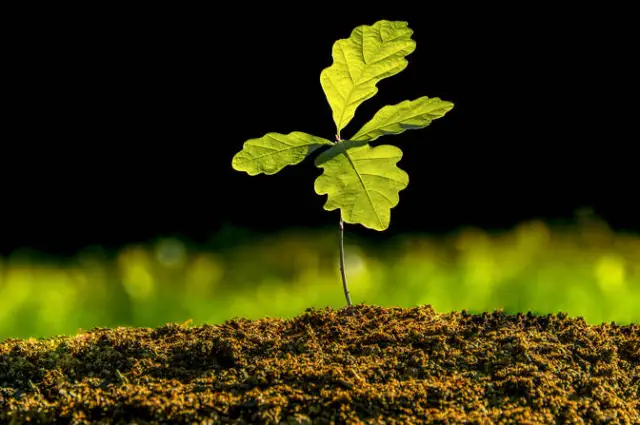
World Tree Day , celebrated every June 28 , is a day of environmental reflection and action that seeks to raise awareness about the ecological, social, and economic value of trees. It was proclaimed in 1969 by the World Forestry Congress and has since become a key date for promoting forest conservation policies around the world.
In Chile , where climate change, deforestation, and wildfires represent real challenges, this date takes on particular significance. The country has a great diversity of forest ecosystems and unique species that require active protection. Celebrating Arbor Day in Chile is a way to strengthen the commitment to environmental restoration and the sustainability of the country.
Importance of trees in Chile
Forest diversity and native ecosystems
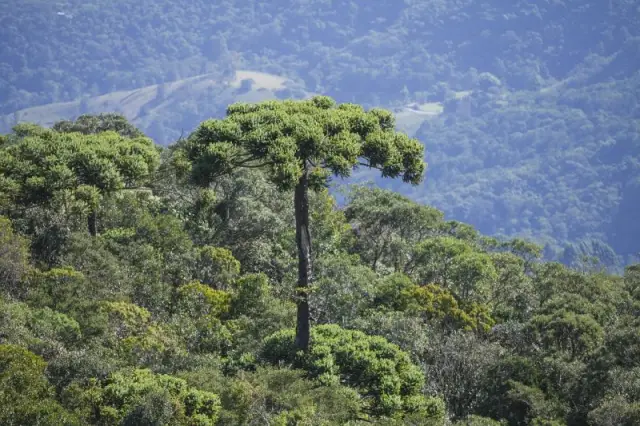
Chile is a country blessed with diverse geography, which has given rise to a rich variety of native tree species. It is estimated that there are more than 130 native species , many of them endemic and adapted to extreme climatic conditions. Trees such as the oak , the peumo , the lingue , the cinnamon , and the majestic araucaria are part of the country's natural heritage.
These native trees not only beautify the landscape but also perform vital ecological functions, such as soil protection, water regulation, and carbon sequestration. Chile's forest ecosystems, from the Valdivian forests to the Andean foothills, represent true green lungs that urgently need to be conserved and restored.
Key environmental functions
Trees are essential elements for the balance of ecosystems. In Chile, they perform multiple functions that directly impact the quality of life of its inhabitants:
Carbon capture: Helps mitigate the effects of climate change by absorbing CO₂ from the atmosphere.
Soil protection: Its roots strengthen the soil and prevent erosion, especially in areas affected by deforestation or fires.
Water regulation: They contribute to maintaining water cycles, facilitating the filtration of rainwater and feeding groundwater.
Wildlife refuge: They are habitats for a great diversity of animal species, many of them in danger of extinction.
How is World Tree Day commemorated in Chile?
Government initiatives
The Ministry of the Environment and the National Forestry Corporation (CONAF) play a leading role in commemorating this date. Each year, they launch public campaigns that include massive reforestation campaigns , the distribution of native trees to communities, and educational programs focused on protecting native forests.
These initiatives are implemented in national parks, urban areas, and conservation areas, seeking to restore degraded ecosystems and foster citizen engagement. In addition, communication campaigns are developed to educate the public about the benefits of forest biodiversity and the importance of sustainable use of natural resources.
Participation of organizations and communities
Various non-governmental organizations , foundations, and environmental groups also organize community activities to celebrate Arbor Day. These include native tree planting campaigns in urban areas , educational tours , and environmental fairs with informational stands.
Neighborhood associations , schools, and universities also actively participate, generating a collaborative and territorial approach. Campaigns are often targeted at family groups, allowing children, youth, and adults to integrate and learn together about the importance of protecting trees and the natural environment.
School activities
Schools and kindergartens play a key role in environmental education. During Tree Week, educational activities such as:
Creation of thematic murals with messages about caring for nature.
Planting trees in schoolyards with the participation of students and parents.
Recycling, composting, and art workshops with natural materials.
These actions help instill from an early age the value of respect for the environment and commitment to sustainable practices.
Where do the main activities take place?
| Region | Featured Activity | Main organizer |
|---|---|---|
| Metropolitan | Reforestation on island hills | CONAF + Municipalities |
| Valparaíso | Plantation of quillayes and peumos in urban areas | My Park Foundation |
| Araucanía | Cultural celebration with Mapuche communities | CONADI + Local Schools |
| Magellan | Environmental education in nature reserves | UMAG + Kindergartens |
These activities allow the celebration to be decentralized and adapted to the geographical and cultural realities of each region of the country.
Benefits of planting a tree
Planting a tree is a simple action but has a profound impact. Every tree planted contributes directly to collective well-being, strengthening ecosystems, and combating global warming. Among the most notable benefits are:
Improves air quality by capturing polluting particles.
Provides shade , helping to reduce temperature in urban spaces.
It promotes biodiversity , attracting insects, birds and small mammals.
Increases the aesthetic and environmental value of public and private spaces.
It promotes mental health , since contact with nature reduces stress and improves mood.
What species are planted in Chile for reforestation?
Chile's reforestation approach prioritizes native species, as they are better adapted to the local climate, require less water, and promote native biodiversity. Some of the most commonly used species are:
Peumo (Cryptocarya alba): Evergreen tree, ideal for centralized areas.
Quillay (Quillaja saponaria): Very resistant to drought, excellent for eroded soils.
Boldo (Peumus boldus): With medicinal properties, common in Mediterranean areas.
Maitén (Maytenus boaria): Fast growing, attractive for landscaping.
Litre (Lithraea caustica): Robust tree, important in the regeneration of sclerophyllous forests.
These species help restore ecological balance and serve as a natural barrier against fires, pests, and desertification.
Frequently Asked Questions (FAQ)
When is Arbor Day celebrated in Chile?
World Tree Day is celebrated on June 28, and Chile joins this global commemoration to highlight the importance of native forests and promote their protection.
Why is it important to celebrate this date?
This date raises awareness about the essential role trees play in human life and ecosystems. It also motivates collective action for reforestation and ecological restoration.
Can I participate as a citizen?
Yes, anyone can participate. From municipally organized activities to neighborhood or family initiatives, planting a tree is a direct way to make a difference.
What kind of tree can I plant in my house?
It will depend on the region and soil type. In general, it's advisable to choose native species such as quillay, boldo, or peumo, which adapt easily and require fewer resources.
Are there activities for children?
Yes. Many schools, kindergartens, and NGOs prepare fun and educational activities to get children involved in environmental care from a young age.
A call to protect Chile's green future
Celebrating World Tree Day in Chile is a unique opportunity to reconnect with nature and recognize the vital role trees play in our lives. Every action counts: planting, protecting, educating, or simply appreciating a tree can make a significant difference. In such an ecologically diverse country, conserving our forests is not only an environmental responsibility, but also an act of love for our culture, territory, and future generations. Participate, get involved, and sow hope for a greener future today.