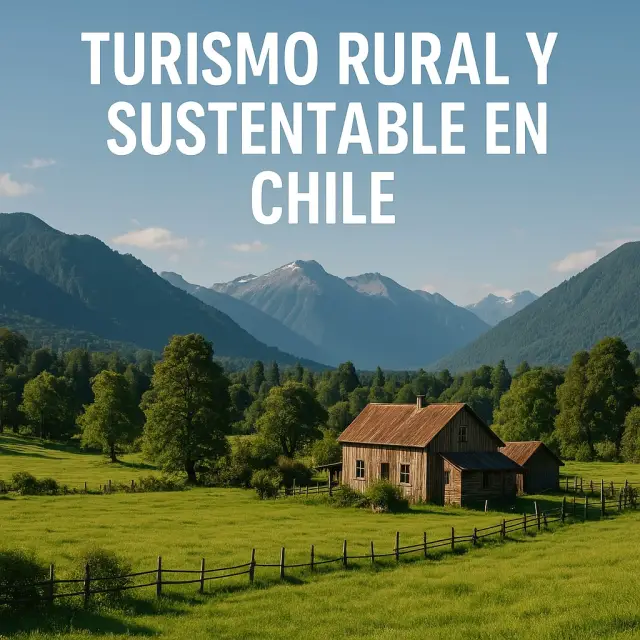
Rural tourism in Chile has established itself as a real alternative to mass tourism. As travelers seek more authentic and sustainable experiences, small towns, farming communities, and mountainous areas have taken center stage.
From the highlands to Patagonia, sustainable tourism is generating economic opportunities, protecting the environment, and strengthening local identity. We at CalendarioChile.com have already highlighted similar events, such as traditional festivals in Chile in the summer of 2026 and undiscovered heritage routes to explore by car .
But which regions are leading this green movement? Here we tell you the areas where rural and sustainable tourism shines brightest in Chile.
Los Ríos Region: Sustainable experiences among lakes and native forests
The Los Ríos Region has been a pioneer in integrating sustainability and nature. In communities like Panguipulli and Futrono, family-run accommodations featuring solar energy, organic gardens, and reforestation programs abound.
Many rural enterprises offer activities such as:
Horseback riding guided by Mapuche communities
Water routes and natural hot springs
Craft and traditional cooking workshops
Visitors here don't just enjoy the scenery: they participate in local life. This makes Los Ríos a model of sustainable community tourism .
Maule Region: the agricultural heart of rural tourism
The Maule region is characterized by its strong rural identity. Towns like Colbún, San Clemente, and Curepto have developed rural routes that showcase country life, artisanal wine, and agroecological production.
Some highlights include:
Visits to family vineyards with organic tasting
Rural accommodations in old adobe houses
Interpretive walks along trails and orchards
The Maule region has positioned itself as a model for Chilean agrotourism , integrating local production with environmental conservation practices.
La Araucanía Region: Mapuche community tourism and living nature
The Araucanía region offers one of the most comprehensive sustainable tourism experiences. Its network of Mapuche businesses, especially in areas like Curarrehue and Melipeuco, promotes tourism with a cultural and spiritual focus .
Visitors can participate in activities such as:
Traditional Mapuche ceremonies (Nguillatún or We Tripantu)
Making catuto bread and natural wool fabrics
Hiking through ancient araucaria forests
In addition, the region works with initiatives certified by SERNATUR under the "Sustainable Tourism" seal, a key tool for ensuring good environmental practices.
Aysén Region, the most authentic Chilean Patagonia
If there's one region that embodies rural and sustainable tourism, it's Aysén. Its geographic isolation has allowed it to preserve unique ecosystems, where extensive livestock farming coexists with pristine nature.
Visitors can travel along the Carretera Austral , stay on organic farms, and participate in traditional livestock farming. In towns like Puerto Río Tranquilo and Coyhaique, there are numerous ecotourism and conservation projects run by local families.
The combination of hospitality, nature, and sustainability makes Aysén one of the most internationally valued regions.
Coquimbo Region: astronomical and ecological tourism in the northern region
The Coquimbo Region is also joining the sustainable tourism boom, standing out for its astronomical and ecological tourism . In the Elqui, Limarí, and Choapa valleys, there are small eco-lodges with renewable energy and stargazing programs.
In addition, organic pisco production and biodynamic agriculture workshops are part of an offering that combines science, spirituality, and sustainability. This balance of desert, sky, and community attracts thousands of tourists each year.
At CalendarioChile.com you can also review next year's major astronomical events, perfect for planning a visit to the area.
Initiatives promoting sustainable tourism in Chile
Chile has official programs that support this trend. These include:
SERNATUR's S Sustainability Seal , which certifies responsible accommodations and tours.
INDAP Rural Tourism Network , which supports small rural producers.
Local foundations that train communities in sustainable practices and the circular economy.
These initiatives strengthen a tourism model where benefits are distributed locally, environmental impact is reduced, and cultural respect is promoted.
How travelers can contribute to sustainable tourism
Each visitor can contribute with simple but effective actions:
Prefer certified or family accommodations.
Reduce the use of plastics and consume local products.
Respect the flora, fauna and customs of each community.
Share your experience to spread good practices.
Rural and sustainable tourism in Chile not only offers relaxation and beauty, but also an opportunity to travel with purpose and leave a positive impact .