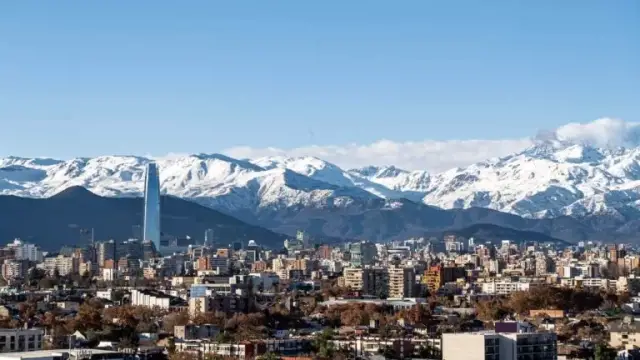
July is known for being the coldest month of the year in Chile , especially in the central and southern regions of the country. This climatic characteristic is no coincidence: it is due to a combination of astronomical, geographical, and meteorological factors that determine the lowest temperatures of the annual cycle.
The country's position in the Southern Hemisphere, atmospheric circulation patterns, the tilt of the Earth's axis, and phenomena such as polar air masses contribute to July's concentration of low temperatures, frequent frosts, and low solar radiation. Furthermore, this is a time when the country is most exposed to frontal systems and extreme weather events.
In this article, we'll explore in depth why July is the coldest month in Chile, how it varies by region, its effects on health, agriculture, and energy, and what recommendations we can follow to better cope with this period, both individually and collectively.
Influence of Chile's geographical location
Chile in the southern hemisphere
Being located in the southern hemisphere, Chile's seasons are opposite to those of the northern hemisphere. This means that the southern hemisphere's winter runs between June and September, with July being the peak of this season. During this month, the country is fully immersed in winter, which means lower temperatures, greater cloud cover, and a significant reduction in solar radiation.
Chile's location between the 17th and 56th parallels makes it a territory with great climatic diversity. However, even with this variability, July has one commonality: the lowest temperatures of the year are recorded from north to south, especially in the early mornings.
Latitude and longitudinal extension
Chile stretches from north to south for more than 4,200 kilometers , creating a wide variety of climatic zones. From the Atacama Desert to the ice fields of Patagonia, each region responds differently to winter. Despite this, during July, even the most temperate northern areas experience a significant drop in temperature, although not as extreme as in the south. The mountainous geography further accentuates these contrasts, as inland areas generally have lower temperatures than coastal areas.
Astronomical factors and their effect on the climate
Less solar radiation
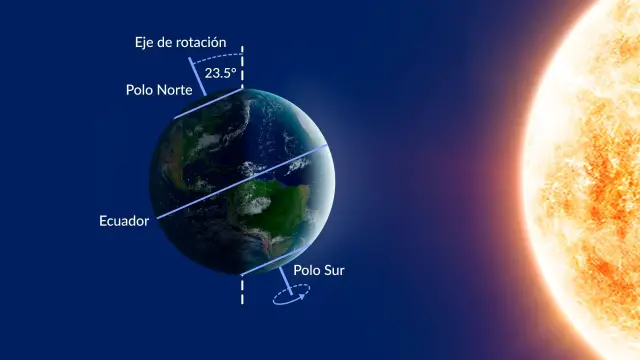
July falls close to the winter solstice (June 21), the time of year when the Southern Hemisphere receives the least amount of solar radiation. This results in shorter days and longer nights, which reduces the natural warming of the ground and air. With fewer hours of sunlight, the planet stores less heat energy, which causes a natural drop in temperature.
This phenomenon particularly affects the early morning and evening hours, where temperatures can reach or fall below 0°C, especially in rural and higher-altitude areas. Wind chill is also affected by wind and relative humidity, which tend to be high in several regions of the country in July.
Tilt of the Earth's axis
The tilt of the Earth's axis causes the sun's rays to reach the Southern Hemisphere at a more angled angle and with less intensity during July. This tilt not only limits heating during the day but also increases heat loss at night. As a result, soils, homes, and the air retain less heat, prolonging cold conditions.
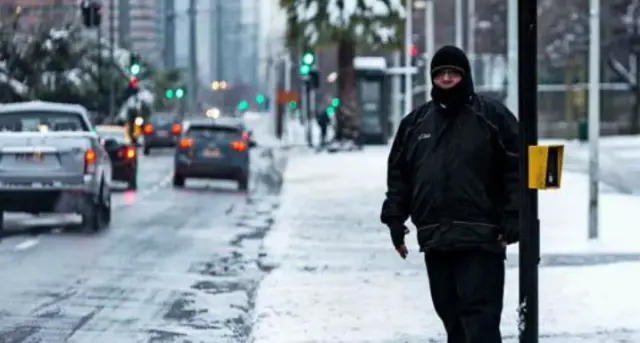
This situation is especially evident in the inland valleys of central Chile, where clear night skies, lack of wind, and low humidity combine to create frequent and intense frosts.
Meteorological and atmospheric factors
Atmospheric pressure and cold fronts
In July, cold fronts from the South Pacific Ocean and Antarctica are more frequent. These cold air masses invade Chile, causing rain, snow, and frost, especially in the central and southern regions. The frontal systems that cross the country are often accompanied by persistent cloudiness, moderate to strong winds, and sudden drops in temperature.
In addition, cold anticyclones—high-pressure systems with polar air—tend to dominate much of the country during this month. These systems stabilize the climate but lead to clear nights, which intensifies heat loss and generates more severe morning frosts.
Absence of warm phenomena
During this month, phenomena such as El Niño (which can raise temperatures) are usually inactive or in their neutral phases, allowing the polar cold to dominate the climate. In years when La Niña predominates, the effect can be even more noticeable, with dry but much colder winters in the center and south of the country. Without these ocean warming phenomena, temperatures remain consistently low.
Climate behavior in different areas of Chile
| Region | Typical temperatures in July | Predominant climatic characteristics |
|---|---|---|
| Great North | 5°C - 18°C | Cold at night, wide temperature range, clear skies |
| Central Zone | 0°C - 14°C | Frequent frost, morning fog, moderate rain |
| South Zone | -3°C - 10°C | Occasional snowfall, heavy rain, persistent cloudiness |
| Patagonia | -8°C - 7°C | Extreme cold, polar wind, frequent snow |
Impact on daily life and key sectors
Health
The intense cold in July increases the number of respiratory illnesses such as influenza, bronchitis, and pneumonia, especially in children, older adults, and people with chronic illnesses. Extreme weather conditions also worsen cardiovascular conditions and affect mental health. For this reason, health authorities are intensifying vaccination campaigns, distributing medications, and providing care to vulnerable populations.
Agriculture
Frost affects sensitive crops such as vegetables, fruit trees, and vineyards. In productive areas such as the Central Valley, July represents a critical period where protection techniques such as micro-sprinklers, thermal blankets, and irrigation control must be applied to mitigate damage. In addition, ranchers must reinforce livestock shelters and provide supplemental feed to cope with the cold.
Energy
Gas, electricity, and firewood consumption are skyrocketing. Families are turning to more intensive heating systems, and this increases energy demand, occasionally leading to power outages or rate hikes. In southern regions, where firewood remains a primary source of heating, air pollution is also increasing, forcing temporary restrictions on its use.
How to prepare for the coldest month of the year?
Thermal insulation in homes: Using weatherstripping, double-pane windows, or thick curtains can reduce indoor heat loss by up to 30%.
Appropriate clothing: Layered clothing, hats, scarves, and gloves are key to maintaining body temperature.
Efficient energy consumption: rational use of stoves, preference for efficient heating systems such as pellet stoves or heat pumps.
Preventive health: up-to-date vaccinations, good nutrition, chronic disease management, and medical consultation if respiratory symptoms develop.
Proper preparation not only improves comfort, but can prevent illness, reduce energy costs, and increase home security.
Is climate change affecting winters in Chile?
Yes. While July remains the coldest month, the effects of climate change have led to more variable winters , with more intense cold snaps but also unusually warm periods. Furthermore, the frequency of rainfall has decreased in the central region, altering historical weather patterns and affecting agricultural and energy planning.
Extreme events, such as snowfall in areas previously uncommon or episodes of intense rainfall in short periods, are becoming increasingly common. This variability represents an additional challenge for both the population and public infrastructure and service systems.
Frequently Asked Questions (FAQ)
Has July always been the coldest month in Chile?
Yes, July has historically recorded the lowest minimum temperatures of the year, although in some exceptional years, June or August can equal or exceed certain records due to specific weather events.
Does it rain more in July in all regions of Chile?
No. July rains are more frequent in the central and southern regions, but in the north the climate remains mostly dry. Precipitation is concentrated in the area between Coquimbo and Los Lagos.
Does snowfall in Santiago only occur in July?
Not exclusively, but if snowfall occurs in Santiago, it usually occurs between June and July, as that's when weather conditions allow it: minimum temperatures below zero and sufficient humidity.
How does the cold of July affect transportation?
Morning frost can freeze roads and cause accidents, especially in rural and mountainous areas. Snowfall can also close roads in the Andes, requiring traffic suspension or the installation of vehicle chains.
Is the July cold stronger in rural or urban areas?
Rural areas tend to experience lower temperatures due to the lower concentration of buildings and the absence of the heat island effect that occurs in cities.
July: between low temperatures and daily challenges
July represents the heart of winter in Chile, with its lowest temperatures, short days, and high incidence of weather phenomena such as frost, rain, and snow. Understanding why this happens allows for better preparation, both individually and as a community. From clothing to energy policies, the coldest month of the year demands adaptation, environmental awareness, and collective care.
Harnessing this knowledge allows us to develop more sustainable habits, prevent disease, and optimize available resources during a critical time of year for millions of people.