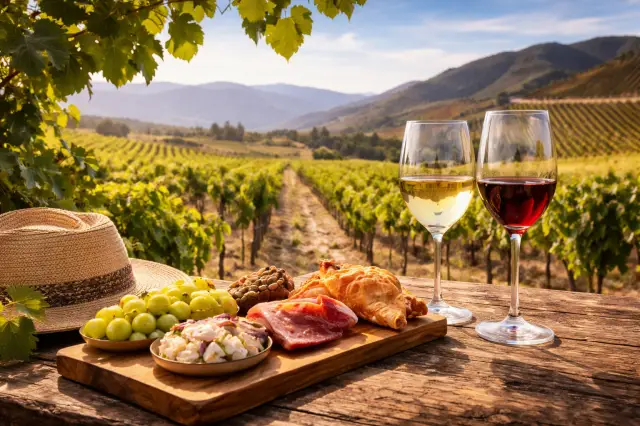
Wine tourism in Chile is set to solidify its position in 2026 as one of the most comprehensive experiences for those seeking to enjoy nature, culture, and fine dining. Our country, renowned worldwide for the quality of its wines, offers an extensive network of wine routes connecting vineyards, restaurants, heritage towns, and gourmet experiences designed to suit all tastes.
This summer of 2026, exploring Chile's valleys becomes a sensory journey where wine serves as the common thread connecting the country's history, tradition, and culinary innovation. From the Casablanca Valley to the Maule Valley, each glass tells a different story.
The most visited wine valleys in Chile in 2026
Casablanca Valley
Located between Santiago and Valparaíso, the Casablanca Valley is one of the most popular destinations for both domestic and international tourists. Renowned for its crisp white wines like Sauvignon Blanc and Chardonnay, it offers guided tours, open-air tastings, and gourmet restaurants with seafood-inspired pairings.
Among the must-sees are the Casas del Bosque, Veramonte and Bodegas RE wineries, which stand out for their sustainable approach and gastronomic proposals that highlight local ingredients.
Colchagua Valley
The Colchagua Valley , in the O'Higgins Region, remains the epicenter of Chilean wine tourism. Its warm climate and fertile soils produce exceptional red wines such as Carménère and Cabernet Sauvignon. In 2026, the wineries enhanced their offerings with wine museums, carriage rides, boutique accommodations, and signature dining experiences amidst the vineyards.
The Santa Cruz Wine Museum, along with the cable car that connects to Chamán Hill, offers a unique experience that blends culture, history and unforgettable views.
Maule Valley
With a winemaking history dating back to colonial times, the Maule Valley has evolved into a sustainable wine tourism model. By 2026, it is positioned as an ideal alternative for those seeking authentic experiences close to the Chilean countryside.
The small vineyards, many of them family-run, offer tastings paired with traditional cuisine: oven-baked empanadas, braised beef in red wine, and homemade desserts. It's a must-visit for those who appreciate authenticity and rural charm.
Unmissable gastronomic experiences on the Chilean wine routes
Summer pairings 2026
Wine and Chilean cuisine pairings are booming this season. Local chefs are reinterpreting traditional dishes to complement Chilean wines. Some examples:
Sauvignon Blanc with ceviche of Chilean sea bass or northern scallops.
Pinot Noir with buttered southern salmon.
Carménère with corn pie or shredded beef.
Syrah with mature goat cheeses and artisanal charcuterie.
These combinations elevate the visitor experience, transforming each meal into an opportunity to discover new nuances of Chilean wine.
Restaurants in vineyards
More and more wineries are incorporating fine dining restaurants into their facilities. In the Colchagua Valley, Fuegos de Apalta offers a signature menu featuring seasonal ingredients. In Casablanca, Tanino at Viña Casas del Bosque stands out for its menu based on seafood and organic products.
These spaces not only promote contemporary Chilean gastronomy, but also the concept of sustainability and local sourcing.
Sustainable wine tourism and new trends 2026
Sustainability is one of the pillars of Chilean wine tourism in 2026. Many wineries have adopted environmentally friendly practices, such as the use of clean energy, water recycling, and organic farming. Educational experiences are also being promoted where visitors learn about the impact of climate change on wine production.
Some vineyards offer electric bike tours or walks among the vines, promoting responsible tourism in contact with nature.
Experiential tourism and wine culture
Wine in Chile is not just a product; it's part of our cultural identity. By 2026, wine tours will include activities that combine tradition, technology, and art. From sensory tasting workshops to food festivals and open-air concerts in vineyards, each experience is tailored to different types of travelers.
Couples find romantic getaways among vineyards; families enjoy picnics and hot air balloon rides; and solo travelers explore rural routes that connect with Chilean history and hospitality.