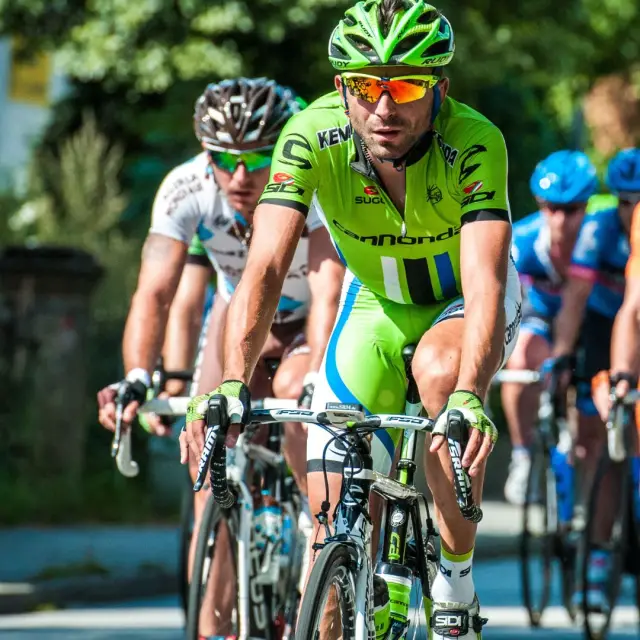
Cycling has gained huge popularity in recent years as a form of exercise, eco-friendly transportation, and recreation. Whether you want to improve your fitness, enjoy nature, or reduce your carbon footprint, cycling offers a wide variety of benefits. However, for those just starting out, the question arises: what do you need to be a cyclist?
1. A suitable bicycle
The obvious starting point is to have a bike. But not just any bike; it is essential that you choose one that suits your needs and type of use. There are various types of bikes, and each is designed for different terrains and styles of cycling:
- Road Bike : Perfect for those planning to ride long distances on paved surfaces. They are lightweight and aerodynamic, designed for speed.
- Mountain Bike : Ideal if you prefer off-road routes, such as forest trails or gravel roads. These bikes have suspension to handle uneven terrain and wider tires for better grip.
- Hybrid Bike : As the name suggests, these bikes combine features of both road and mountain bikes. They are versatile and suitable for both city riding and moderate off-road riding.
- Gravel Bike : These are similar to road bikes, but with wider tires and greater strength, designed for gravel roads and mixed trails.
Once you've selected the type of bike that best suits your riding style, it's important to make sure you get the right size. A bike that doesn't fit properly can lead to injury and unnecessary fatigue. Visit a specialist shop where they can help you find the right size for your height and leg length.
2. Safety equipment
Your safety is a priority. No matter if you are an experienced cyclist or a beginner, accidents can happen. Making sure you have the right safety equipment will not only protect you in the event of a fall, but it will also make you feel more confident on the road.
- Helmet : A helmet is the most important item for any cyclist. Make sure you choose one that meets safety regulations and fits your head properly. Remember that a poorly fitted helmet does not offer the same protection.
- Lights and Reflectors : If you plan to ride at night or in low visibility conditions, lights and reflectors are essential. Place a white light on the front of the bike and a red one on the back, as well as reflectors on the pedals and wheels.
- Gloves : Gloves not only protect your hands in the event of a fall, but also give you a better grip on the handlebars and help reduce vibration on long rides.
- Sunglasses or eye protection : Glasses will protect your eyes from dirt, wind, and bugs, as well as bright sunlight.
- Appropriate clothing : Cycling clothing, while not essential, can significantly improve your comfort. Lycra reduces friction, while jerseys with rear pockets allow you to carry essential items such as a water bottle or small tools.
3. Training and basic skills
Cycling is not just about riding a bike, it involves a series of skills and knowledge that will help you enjoy every ride more. Here are some concepts that every cyclist should master:
- Balance and control : If you're new to cycling, practicing balance is key. Start in a quiet place, such as a park or a quiet street, and focus on maintaining a relaxed, stable posture.
- Gear Shifting : Many modern bikes have multiple gears to help you adapt to different terrain. Knowing when and how to shift is crucial to maximizing your efficiency. Use lower gears on climbs and higher gears on descents.
- Braking technique : Learn to use both brakes (front and rear) in a balanced manner. Avoid using only the front brake, as this can cause you to lose control of the bike.
- Road Traffic : Familiarize yourself with hand signals and traffic rules for cyclists. Always maintain a visible position for cars and obey traffic laws.
4. Physical resistance and training
Cycling can be physically demanding, especially if you plan on doing long rides or climbing hills. Increasing your endurance and strength will not only improve your performance, but will also reduce your risk of injury. Here are some tips to improve your fitness as a cyclist:
- Progressive training : If you are new, don't try to do too long or difficult runs at first. Start with short, flat runs and gradually increase the distance and difficulty.
- Strengthening exercises : Cycling puts a lot of emphasis on your legs, but it's also important to strengthen your core and upper body. Incorporating strength exercises like squats, planks, and light weight lifting will help you improve your stability and power on the bike.
- Cardio : In addition to cycling, other cardiovascular exercises such as running or swimming can improve your lung and cardiovascular capacity, allowing you to travel longer distances without becoming exhausted.
- Stretching and flexibility : After each walk, stretch the muscles in your legs, back and shoulders to maintain your flexibility and avoid pain and tension.
5. Nutrition and hydration
Nutrition and hydration play a key role in cycling performance, especially on long rides. Here are some key points:
- Constant hydration : Always carry a bottle of water or isotonic drink with you on your walks. Dehydration can seriously affect your performance and put you at risk of cramps or exhaustion.
- Pre-fueling : If you plan on doing a long ride, make sure you eat a carbohydrate-rich meal about 2-3 hours beforehand. This will give you the energy you need to stay active for longer.
- Snacks for the road : On routes of more than an hour, take energy bars, dried fruit or sports gels to replenish energy during the journey.
- Post-ride recovery : After a long ride, eat a mix of protein and carbohydrates to help repair muscles and replenish lost glycogen.
6. Bicycle maintenance
Your bike needs regular maintenance to keep it in good condition and ensure it works properly. Here are some essential aspects of care:
- Tire Check : Before each ride, make sure your tires are properly inflated and show no signs of wear or damage.
- Chain lubrication : Keep the chain lubricated to ensure smooth pedaling and prevent premature wear. Avoid using general-purpose lubricants and opt for bicycle-specific lubricants.
- Adjusting brakes and gears : Check that the brakes and gears are working properly. Poor adjustment can cause accidents or discomfort during the ride.
- Regular professional check-up : Although you can make many adjustments yourself, it is advisable to take your bike to a specialist shop for a complete check-up from time to time, especially if you use it frequently.
7. Mental preparation and motivation
Finally, to be a cyclist you need to be not only physically prepared, but also mentally prepared. Motivation and perseverance are key to progress and enjoy cycling. Here are some strategies to keep you focused:
- Set goals : Whether it's participating in a local race, completing a challenging route, or simply improving your time on a regular ride, having a goal in mind will help keep you motivated.
- Enjoy the process : Don't get hung up on speed or performance, especially at the beginning. Cycling is also a way to unwind, enjoy the surroundings and spend time outdoors.
- Ride with friends or groups : Joining a cycling group or finding riding buddies can make your rides more fun and challenging. Plus, it's a great way to learn from other, more experienced cyclists.
Becoming a cyclist is not just about riding a bike, but about preparing yourself physically and mentally to make the most of every ride. With the right equipment, a solid training plan, and the right motivation, you can enjoy this sport safely and healthily. Go ahead and start discovering the incredible benefits of cycling!