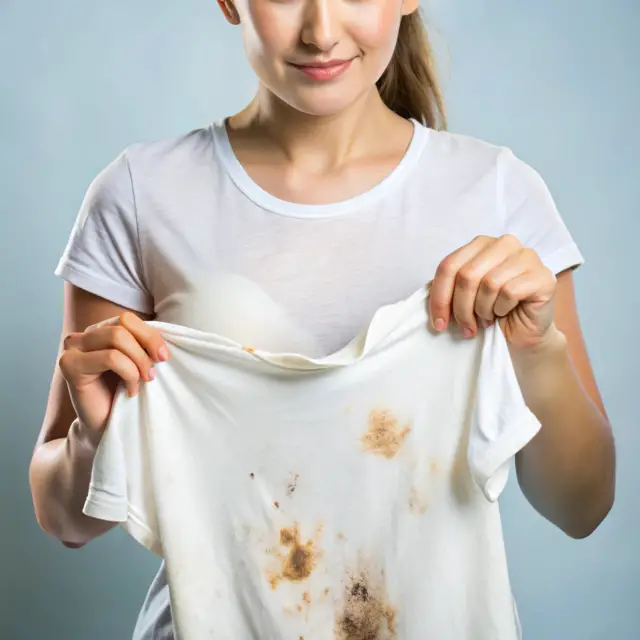
Grease stains on clothing are one of the most common problems we face when cooking, eating or working with any type of oil or grease. Although these stains may seem impossible to remove, there are several effective methods you can use to get rid of them.
Why are grease stains difficult to remove?
The reason grease stains are so stubborn is that grease doesn't dissolve easily in water. Instead, it tends to stick to the fibers of the fabric, forming a tough barrier that makes it difficult to remove. Plus, if you don't act quickly, the grease can penetrate deep into the fabric, making the stain even harder to remove.
However, this doesn't mean you have to give up on your favourite garment. With the right products and techniques, you can remove even the toughest stains. Here's how to do it.
Basic steps to remove grease stains
Before we get into the details of different methods for removing grease stains, it is important to follow these initial steps to address the problem as quickly as possible:
Act immediately: The longer you leave the stain, the harder it will be to remove. So, if you can, treat the grease stain as soon as possible.
Blot up excess: Use a napkin, paper towel, or clean cloth to remove excess oil from the surface of the fabric without rubbing. Rubbing the stain can cause the oil to spread and penetrate further into the fabric.
Don't use hot water: At least initially, avoid hot water, as this can set the stain. Instead, use cool or lukewarm water in the early stages of treatment.
Methods for removing grease stains
1. Liquid dish detergent
Liquid dish detergent is one of the most effective methods for removing grease stains as it is specifically designed to break down oils and grease. Follow these steps:
Materials needed: Dish detergent, warm water.
Instructions:
Apply a small amount of liquid detergent directly onto the grease stain.
Let the detergent sit on the stain for at least 5-10 minutes.
Gently scrub the stain with your fingers or an old toothbrush.
Rinse the garment with warm water.
Wash the garment as you normally would in the washing machine, using the appropriate cycle for the type of fabric.
2. Baking soda
Baking soda is excellent at absorbing grease and works well on fresh stains. It is also useful on delicate fabrics, where harsh detergents are not recommended.
Materials needed: Baking soda, soft brush, detergent.
Instructions:
Sprinkle a generous layer of baking soda over the stain.
Let the baking soda sit for 30 minutes to an hour to absorb the grease.
Use a soft brush to rub the baking soda into the stain.
Shake off any excess baking soda and check the stain. If it is still visible, repeat the process.
Wash the garment as usual.
3. Cornstarch or baby powder
These powders are effective at absorbing fresh grease and are ideal for delicate fabrics such as silk or wool.
Materials needed: Cornstarch or baby powder, soft brush.
Instructions:
Apply a thick layer of cornstarch or talcum powder to the stain.
Let it sit for an hour to absorb excess oil.
Brush dust off the fabric with a soft brush or your fingers.
If the stain persists, repeat the process or combine with dish detergent for greater effect.
4. Isopropyl alcohol
Isopropyl alcohol is a solvent that can help break down grease and remove tough stains. It works well on older stains that have already set in.
Materials needed: Isopropyl alcohol, cotton or cloth, detergent.
Instructions:
Dampen a cloth or cotton ball with isopropyl alcohol.
Apply the alcohol directly to the stain and rub gently.
Let it sit for a few minutes.
Wash the garment with detergent in cold water.
5. Bar soap (preferably Marseille)
Bar soap, such as Marseille soap, is excellent for removing greasy stains from cotton or cotton blend clothing.
Materials needed: Bar soap, warm water.
Instructions:
Dampen the stain with a little warm water.
Rub the stain directly with the bar soap until the stain is covered with a layer of foam.
Let the garment sit for 10-15 minutes.
Rinse well and wash the garment in the washing machine.
6. White vinegar
White vinegar is a popular home remedy for its ability to break down grease and neutralize odors. It works best when combined with baking soda.
Materials needed: White vinegar, baking soda, warm water.
Instructions:
Apply a small amount of vinegar directly to the grease stain.
Let it sit for 5 minutes.
Sprinkle baking soda over the vinegar-soaked area.
Gently rub the mixture in and let it sit for another 15 minutes.
Wash the garment as usual.
7. Specialized products for grease stains
If you prefer a simpler option or the stain is particularly stubborn, there are also specialist grease stain removal products on the market, such as spray or stick stain removers. These products are specifically formulated to dissolve grease and oil, so they can be very effective, especially on tough stains.
Instructions:
Follow the product manufacturer's instructions.
Typically, you'll apply the product to the stain, let it sit for a few minutes, and then wash the garment.
How to remove grease stains from delicate fabrics
When it comes to delicate fabrics, such as silk or wool, you need to be extra careful to avoid damaging the garment. Some of the above methods, such as using cornstarch, talcum powder, or rubbing alcohol, may be safe for these types of fabrics, but it's always best to test any product or method on a small, inconspicuous area before applying it to the entire stain.
Bonus Tip: Take the garment to a dry cleaner if the fabric is extremely delicate or if the stain is very large. Professionals have access to products that can remove tough stains without damaging the fabric.
What to do after treating the stain
Once you've treated the stain, be sure to check the garment before drying it. Never dry a garment that still has a visible grease stain, as the heat from drying will set the stain permanently. If the stain remains after washing, repeat the treatment before drying the garment.
Prevention: How to avoid grease stains
To prevent grease stains from appearing in the first place, you can follow some practical tips:
Wear aprons when cooking or working with oils and fats.
Quickly clean any greasy food spills before they absorb into the fabric.
Wash clothes regularly if you are frequently exposed to environments where grease stains are common.