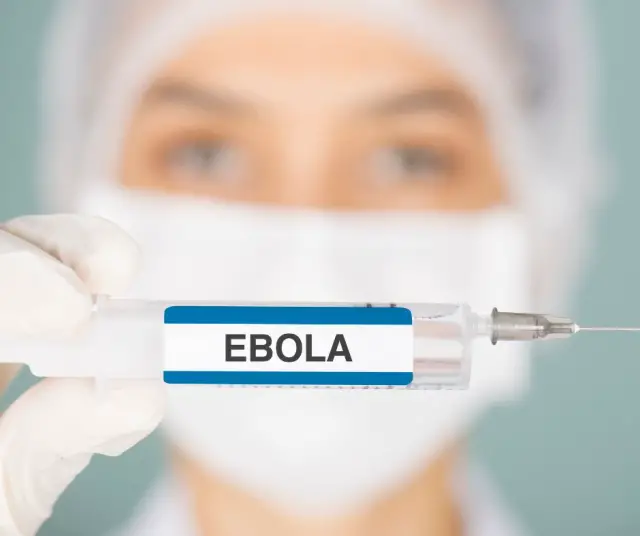
Ebola is a serious and often fatal viral disease that has caused devastating outbreaks in Africa since its discovery in 1976. This disease is caused by the Ebola virus, a filovirus named after the Ebola River in the Democratic Republic. from the Congo, where it was first identified.
History and Discovery
The Ebola virus was discovered in 1976 during two simultaneous outbreaks in Nzara, Sudan, and in Yambuku, Democratic Republic of the Congo. The outbreak in Yambuku occurred in a village near the Ebola River, where the virus gets its name. Since then, several outbreaks have been identified, mainly in central and western Africa.
Types of Ebola Viruses
There are six known species of Ebola virus:
Zaire ebolavirus (EBOV): The deadliest species, responsible for most outbreaks.
Sudan ebolavirus (SUDV): Cause of several significant outbreaks.
Taï Forest ebolavirus (TAFV): Less common and less studied.
Bundibugyo ebolavirus (BDBV): Discovered in 2007 in Uganda.
Reston ebolavirus (RESTV): It has not been associated with human disease, but has caused infections in primates.
Bombali ebolavirus (BOMV): Recently discovered in bats in Sierra Leone.
Ebola symptoms
The incubation period of the Ebola virus varies from 2 to 21 days. Initial symptoms are often similar to those of many common diseases, which can make early diagnosis difficult. These symptoms include:
High fever.
Severe headache.
Muscle and joint pain.
Weakness and fatigue.
Sore throat.
Rashes.
As the disease progresses, symptoms become more severe and may include:
Severe vomiting and diarrhea.
Abdominal pain.
Internal and external bleeding (hemorrhages).
Kidney and liver failure.
Ebola has a high mortality rate, which can range from 25% to 90%, depending on the species of the virus and how quickly medical treatment is received.
Transmission
The Ebola virus is transmitted to humans through close contact with organs, blood, secretions or other body fluids of infected animals, such as fruit bats, which are considered the natural hosts of the virus, as well as primates such as chimpanzees and gorillas. Once a human is infected, the virus can spread from person to person through:
Direct contact with blood or body fluids of an infected person, living or deceased.
Contaminated surfaces and materials, such as bedding and needles.
The disease is not transmitted through air, water or food, although bushmeat has been a source of transmission in some outbreaks.
Diagnosis
Early diagnosis of Ebola is crucial to controlling the spread of the disease. However, because the initial symptoms are similar to those of many other infectious diseases, clinical diagnosis can be complicated. Laboratory tests are essential and may include:
Antigen detection tests.
Reverse transcriptase polymerase chain reaction (RT-PCR).
Virus isolation by cell culture.
Serological tests to detect IgM and IgG antibodies.
Treatment
There is no completely effective specific treatment for Ebola. However, intensive supportive treatment can significantly improve survival rates. Treatment measures include:
Oral or intravenous rehydration to treat dehydration.
Administration of electrolytes to maintain the balance of salts and minerals.
Medications to maintain blood pressure and oxygenation.
Treatment of concurrent infections with antibiotics or antivirals.
In recent years, experimental therapies have been developed that have shown promising results. Convalescent serum, which contains antibodies from recovered patients, and antiviral treatments such as remdesivir, have been used in recent outbreaks.
Prevention
Ebola prevention focuses on avoiding contact with the virus and breaking the chain of transmission. Preventive measures include:
Use of appropriate personal protective equipment (PPE) for health workers.
Implementation of strict infection control procedures in hospitals.
Education and awareness of the community about the risks and methods of transmission.
Monitoring and tracing contacts of infected people.
In December 2019, the World Health Organization (WHO) approved the first Ebola vaccine, known as rVSV-ZEBOV. This vaccine has been successfully deployed in recent outbreaks, significantly reducing the spread of the virus.
Impact on Public Health
Ebola has had a devastating impact on affected communities, not only through high mortality rates, but also through the collapse of health systems and the disruption of economic and social life. Larger outbreaks, such as that in West Africa between 2014 and 2016, resulted in thousands of deaths and generated a large-scale humanitarian crisis. The international response has been critical to controlling these outbreaks, with the collaboration of governments, non-governmental organizations (NGOs) and international organizations such as the WHO and Doctors Without Borders (MSF).
The Ebola outbreaks have highlighted the importance of strong health systems and the ability to respond quickly to health emergencies. Some of the lessons learned include:
The need to strengthen surveillance and rapid response systems.
The importance of international coordination and humanitarian aid.
The crucial role of community communication and education in preventing the spread of the virus.
Investment in research and development of treatments and vaccines.
As the world faces new public health challenges, the experience with Ebola provides a valuable framework for addressing future epidemics. Global cooperation and continued commitment to scientific research are essential to protect communities and prevent devastating outbreaks in the future.