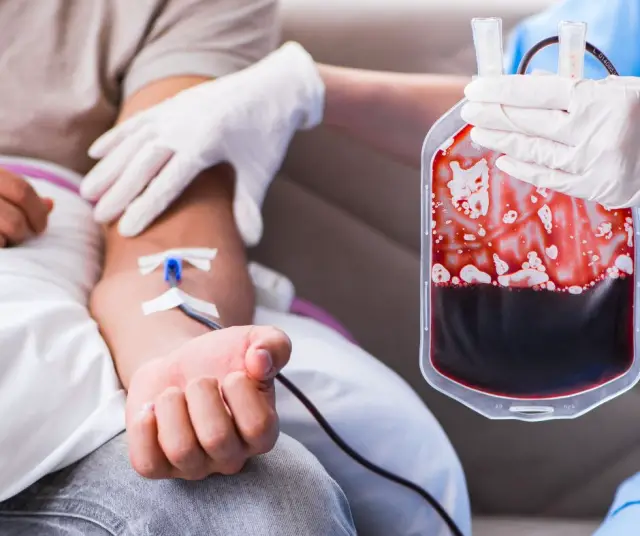
Donating blood is a caring and altruistic act that can save lives. In Chile, the need for blood donations is constant and essential to guarantee medical treatments, surgeries, and care for patients with various conditions. To be a blood donor in Chile, it is necessary to meet certain requirements that ensure the safety of both the donor and the recipient.
Basic Requirements to Donate Blood
Age and Weight
Age: Donors must be between 18 and 65 years old. In some cases, people over 65 years of age can donate if they have medical authorization.
Weight: It is necessary that the donor weigh at least 50 kilograms. This requirement is important to ensure that the amount of blood drawn does not affect the health of the donor.
Health condition
General Health: Donors must be in good health. This includes not having symptoms of cold, flu or other infections at the time of donation.
Chronic Diseases: People with controlled chronic diseases, such as hypertension or diabetes, can donate if they meet certain criteria and under the evaluation of a doctor.
Infections and Communicable Diseases: It is essential not to have suffered from blood-transmissible diseases, such as hepatitis B and C, HIV/AIDS, and other infections.
Medications and Treatments
Medications: Some medications may temporarily disqualify the donor. For example, the use of antibiotics requires the donor to wait until the treatment has finished and they feel recovered.
Vaccines: It is recommended to wait a certain period after receiving certain vaccines before donating blood. For example, the hepatitis B vaccine requires a 7-day wait.
Habits and Lifestyles
Alcohol Consumption: It is advisable not to consume alcohol at least 24 hours before donation.
Tattoos and Piercings: People with recent tattoos and piercings should wait 12 months before donating, to prevent the risk of infections.
Blood Donation Process
Preparation
Before donating blood, it is recommended:
Rest Well: Make sure you have slept at least 6 hours the night before.
Hydration: Drink plenty of water before donation.
Food: Eat a light meal and avoid fatty foods in the hours before.
Registration and Evaluation
Upon arrival at the donation center, the donor must:
Complete a Form: This form collects personal and health information.
Medical Evaluation: A health professional performs a quick interview and physical examination to ensure the donor meets all requirements.
Donation Process
The donation process itself includes:
Extraction: Approximately 450 ml of blood is extracted, which takes between 10 to 15 minutes.
Rest: After the extraction, it is recommended to rest for a few minutes and consume a snack provided by the donation center.
Post-Donation
It is important to follow certain recommendations after donating:
Hydration and Nutrition: Drink liquids and eat something light.
Avoid Physical Effort: Do not perform intense physical activities for at least 24 hours.
Watch for Symptoms: If you experience dizziness, weakness, or any other unusual symptoms, it is important to inform the donation center staff or seek medical attention.
Benefits of Donating Blood
For the Donor
Health Check: Donors receive a basic health check, which can help detect undiagnosed health problems.
Emotional Well-being: Knowing that your donation can save lives provides a feeling of satisfaction and emotional well-being.
Blood Regeneration: Donation stimulates the production of new blood cells, which can be beneficial for the body.
For the community
Saving Lives: Each blood donation can save up to three lives, since the donated blood is separated into components (red blood cells, platelets and plasma) that can be used for different patients.
Support for Medical Treatments: Donated blood is essential for surgeries, cancer treatments, care for accident victims and patients with chronic diseases.
Myths and Facts about Blood Donation
Common Myths
"Donating Blood Hurts": Donating blood may cause minimal discomfort similar to a puncture, but it is not painful.
"I Can Catch a Disease": All equipment used in the donation is sterile and single-use, eliminating the risk of contagion.
"I Don't Have Enough Blood to Give": An adult's body has between 4.5 and 6 liters of blood, and the donated amount (450 ml) is safe and quickly recoverable.
Realities
Safety for Donor and Recipient: Strict criteria for donating ensure the safety of both.
Donation Frequency: Men can donate every three months and women every four months, which ensures that the body has enough time to recover between donations.
How to Become a Regular Donor
Registration and Registration
Regular Donation Programs: Many health centers and organizations have regular donation programs. Enrolling in these programs makes recurring donations easier.
Donation Events: Participate in donation campaigns and events organized by companies, universities and communities.
Education and Awareness
Get informed: Learn more about the need for blood and the benefits of donating.
Promote Donation: Share information with friends and family, and encourage them to donate.
Connection with Organizations
Donation Centers: Contact and visit blood donation centers such as the Chilean Red Cross, hospitals, and clinics.
Apps and Platforms: Use mobile apps and online platforms that make it easy to schedule donations and track them.
Special Considerations
Blood Donation in Times of Pandemic
During the COVID-19 pandemic, additional measures were implemented to ensure the safety of donors and health personnel:
Hygiene Protocols: Use of masks, constant disinfection and social distancing in donation centers.
Eligibility Criteria: People recovered from COVID-19 must wait at least 14 days after recovery to donate blood.
Convalescent Plasma Donation
Convalescent plasma from people recovered from COVID-19 has been used in treatments for seriously ill patients. Plasma donors must meet additional specific requirements, such as having had a positive COVID-19 test and being fully recovered.
Frequent questions
What should I do if I have a trip planned after donating blood?
It is advisable to avoid long trips and strenuous activities for the first 24 hours after donating blood to allow the body to properly recover.
Can I donate blood if I am pregnant?
Pregnant women cannot donate blood. It is advisable to wait at least 6 months after delivery before considering donation.
What happens if I feel unwell after donating blood?
If you experience symptoms such as dizziness, nausea, or persistent weakness after donating blood, it is important to seek medical attention immediately and contact the donation center where you donated.
What should I do if I have tattoos and want to donate blood?
If you have recent tattoos (less than 12 months), you must wait a year before you can donate blood. This is to ensure that there is no risk of infections that can be transmitted through the blood.
Donating blood is a noble action that can have a significant impact on the lives of many people. Meeting the necessary requirements and understanding the donation process ensures that both the donor and recipient are safe. If you meet the above criteria and are in good health, consider becoming a regular donor. Your donation can be the gift of life someone needs.