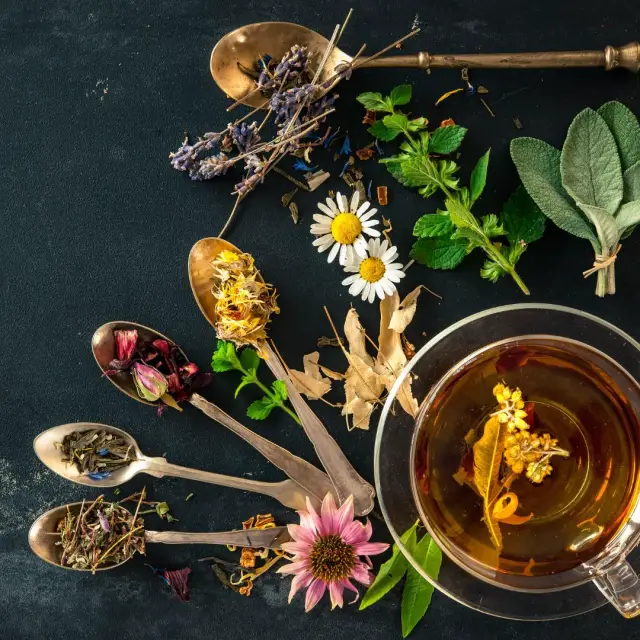
Tea is one of the oldest and most consumed beverages in the world, with a rich and varied history spanning thousands of years and numerous cultures. From its origins in ancient China to its spread throughout the rest of the world, tea has evolved into a wide variety of forms and flavors.
Tea is made from the leaves of the Camellia sinensis plant. The differences between types of tea come from variations in the processing of the leaves, the climate and soil in which they are grown, and the specific region from which they come. There are six main categories of tea:
Green Tea
Black Tea
Oolong Tea
White tea
Yellow Tea
Pu-erh tea
Additionally, there are herbal infusions, commonly called "herbal teas," that do not come from the Camellia sinensis plant and are not true teas in the strict sense.
Green Tea
Characteristics
Green tea is known for its fresh flavor and light green color. The leaves are picked and dried quickly to prevent oxidation, which preserves their color and natural nutrients. Green teas can range in flavor from sweet and herbaceous to bitter and astringent.
Health benefits
Antioxidants: Green tea is rich in catechins, a type of antioxidant that helps fight free radicals and protect cells from damage.
Weight Loss: Some research suggests that green tea may increase metabolism and aid in fat burning.
Heart Health: Regular consumption of green tea can help reduce the risk of heart disease.
Preparation
To prepare a perfect cup of green tea:
Heat the water to about 70-80°C (160-175°F).
Add a teaspoon of green tea per cup of water.
Let infuse for 2-3 minutes.
Filter and serve.
Black Tea
Characteristics
Black tea is completely oxidized, which gives it its dark color and strong flavor. This type of tea is popular in the West and is commonly used in blends such as Earl Gray and English Breakfast.
Health benefits
Energy: Contains more caffeine than other teas, providing a boost of energy.
Heart Health: Studies have shown that it can reduce the risk of stroke and improve cardiovascular health.
Digestion: Helps in digestion due to its anti-inflammatory properties.
Preparation
To prepare black tea:
Heat the water to about 95°C (200°F).
Use one teaspoon of black tea per cup.
Let infuse for 3-5 minutes.
Filter and enjoy.
Oolong Tea
Characteristics
Oolong tea is semi-oxidized, falling between green tea and black tea in terms of oxidation. This tea is known for its complex flavor, which can range from floral and fruity to more robust and toasty.
Health benefits
Metabolism: Helps improve metabolism and may contribute to weight loss.
Mental Health : Some studies suggest it may improve brain function and reduce stress.
Skin : The antioxidants in Oolong tea can help maintain healthy skin.
Preparation
To prepare Oolong tea:
Heat the water to about 85-90°C (185-195°F).
Use one teaspoon of Oolong tea per cup.
Let infuse for 3-5 minutes.
Filter and serve.
White tea
Characteristics
White tea is the least processed of all teas, made from the young leaves and buds of the plant. It has a delicate, sweet flavor, and is less astringent than other teas.
Health benefits
Antioxidants : Contains high levels of polyphenols, which have antioxidant properties.
Skin Health: May help protect skin from sun damage and reduce the appearance of aging.
Hydration : It is an excellent source of hydration due to its low caffeine content.
Preparation
To prepare white tea:
Heat the water to about 75-80°C (170-185°F).
Use one teaspoon of white tea per cup.
Let infuse for 4-5 minutes.
Filter and enjoy.
Yellow Tea
Characteristics
Yellow tea is similar to green tea, but with an additional light fermentation process that gives it a golden yellow color and milder flavor. It is rare and often considered a luxury.
Health benefits
Antioxidants: Comparable to green tea in its antioxidant content.
Digestion: Its light fermentation process can make it easier to digest.
Relaxation: It has a mild and less astringent flavor, ideal for relaxation.
Preparation
To prepare yellow tea:
Heat the water to about 75-80°C (170-185°F).
Use one teaspoon of yellow tea per cup.
Let infuse for 3-4 minutes.
Filter and enjoy.
Pu-erh tea
Characteristics
Pu-erh tea is a fermented and aged tea, known for its deep, earthy flavor. It is divided into two types: raw Pu-erh (Sheng) and cooked Pu-erh (Shou).
Health benefits
Digestion: Helps in digestion and can reduce cholesterol.
Weight Control: Some studies suggest that it can help with weight loss.
Detoxification: It is known for its detoxifying properties.
Preparation
To prepare Pu-erh tea:
Heat the water to about 95-100°C (200-212°F).
Use one teaspoon of Pu-erh tea per cup.
Let infuse for 3-4 minutes.
Filter and serve.
Herbal Teas (Infusions)
Although not technically true teas, herbal infusions are popular for their varied flavors and health benefits. Some common examples include:
Chamomile : Known for its calming properties and sleep aid.
Mint : Used to relieve digestive problems and headaches.
Rooibos : Rich in antioxidants and caffeine-free, known for its skin health benefits.
Preparation
The preparation of herbal infusions varies depending on the herb:
Heat the water to 100°C (212°F).
Use one teaspoon of herbs per cup.
Let infuse for 5-10 minutes.
Filter and enjoy.
General Tips for Tea Preparation
Water Quality: Use filtered or spring water to avoid impurities that could affect the flavor.
Utensils: Use ceramic, glass or stainless steel utensils to avoid chemical reactions.
Storage: Store the tea in a cool, dark, dry place to maintain its freshness.
Experiment: Feel free to adjust the infusion time and number of leaves according to your personal taste.
The world of tea is vast and varied, offering something for every palate and need. Exploring these teas can be an enriching experience that not only satisfies the senses but also provides numerous health benefits. Whether you're looking for an energizing drink, a meditation tool, or a digestion aid, there will always be a tea perfect for you.