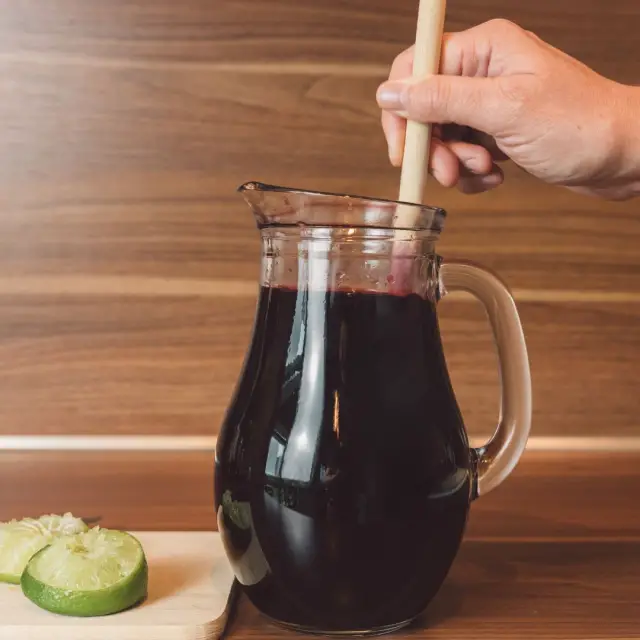
Chilean chicha is a traditional drink with deep roots in the country's history and culture. A central part of national festivities, chicha is appreciated for its sweet and refreshing taste.
Origins of Chilean Chicha
Chicha has a legacy that dates back to pre-Columbian times, when indigenous peoples in South America were already making fermented drinks from corn and fruit. In Chile, chicha became a popular drink after the arrival of the Spanish, who introduced grapes and apple trees, two key ingredients in the production of modern chicha.
Over time, chicha has become established as a traditional drink, especially in the Chilean countryside. Although the recipe has varied depending on the region and the availability of ingredients, the essence of chicha remains the same: a fermented drink, usually sweet, that accompanies the country's most important celebrations, especially during the Fiestas Patrias.
Necessary Ingredients
Before you begin making chicha, it is important to gather the right ingredients. Although the recipe varies slightly, traditional Chilean chicha typically includes the following components:
Fruits : The most common are grapes and apples, although you can also make chicha from corn or even other fruits such as peaches or pears.
Sugar : Used to speed up fermentation and adjust the sweetness level of the chicha. The amount of sugar can vary according to personal taste.
Water : It is essential to dilute the fruit juice and to create the right environment for fermentation.
Yeast : Although some traditional recipes rely on natural fermentation, commercial yeast can help control the process and produce a more predictable result.
Spices (optional): Some versions of chicha include spices such as cloves or cinnamon to give it a special touch.
Preparation of Apple Chicha
Apple chicha is one of the most popular varieties in Chile. Here's how to make it at home:
Step 1: Selecting and Preparing the Apples
Select fresh, ripe apples, preferably sweet varieties such as Fuji or Gala. Wash the apples thoroughly to remove any pesticide residue or dirt.
Once cleaned, cut the apples into small pieces, without having to peel or core them, as both contribute to the flavor and the fermentation process.
Step 2: Juice Extraction
There are several ways to extract juice from apples:
Pressing : The traditional way is using a fruit press. This method is the most efficient for extracting the maximum amount of juice.
Blend and strain : If you don't have a juicer, you can blend the apples and then strain the puree through a muslin cloth or fine sieve to extract the juice.
Cooking and pressing: Another technique is to cook the apples in water for about 20-30 minutes until they soften, and then press them to extract the juice.
Step 3: Fermentation
The juice obtained is placed in a glass or plastic container with a tight-fitting lid, but not completely closed, since the fermentation process will release gases that need to escape.
Add sugar to the juice according to your taste. For a faster and more controlled fermentation, you can add a small amount of yeast. If you prefer a more traditional approach, you can let the fermentation occur naturally, although this will take longer and will depend on the natural yeasts present in the air and on the apples.
The fermentation process can take between one and two weeks, depending on the ambient temperature and the amount of sugar and yeast used. During this time, the mixture should be kept in a cool, dark place.
Step 4: Filtering and Bottling
Once the fermentation has reached the desired level, it is time to filter the chicha to remove any solid residue. Use a fine strainer or a cloth for this purpose.
After filtering, bottle the chicha in clean glass bottles, making sure to leave a little space at the top to prevent the bottles from exploding if fermentation continues.
Let the bottled chicha sit for a few more days to allow the flavors to settle before consuming.
Chicha de Uva: A Classic Variety
Grape chicha is perhaps the best known in Chile, especially in the wine regions. Its preparation is similar to apple chicha, but with some key differences:
Step 1: Selecting and Preparing the Grapes
Use ripe, sweet grapes, preferably varieties such as Moscatel or País. Wash the grapes well before crushing them. You can do this with your hands or with a masher, depending on the quantity you are preparing.
Step 2: Fermentation of the Must
The juice extracted from the grapes, known as must, is placed in a large container to ferment. As with apple cider, you can add sugar and yeast if you wish. However, many times the grapes have enough sugar to ferment on their own.
Fermentation of grape must can take between 10 days and 3 weeks. During this time, the liquid should be stirred occasionally to prevent a layer of foam from forming on the surface that is too thick.
Step 3: Filtering and Bottling
Once fermentation is complete, filter the fermented must to remove any remaining skin and seeds. Bottle the grape chicha following the same steps as for apple chicha.
Tips for a Perfect Chicha
Control the Temperature: Fermentation is faster at warm temperatures, but slow fermentation at lower temperatures (around 15-20 °C) can result in a chicha with a more complex flavor and less prone to turning vinegary.
Taste and Adjust: During fermentation, taste the chicha every few days. If you prefer a sweeter chicha, you can stop the fermentation before all the sugar turns into alcohol.
Storage: Chicha should be consumed relatively soon after it is made, as it continues to ferment and can become too strong or acidic over time. If you want to keep it longer, store it in a cool place and check the bottles regularly.
Uses and Variations of Chicha
In addition to drinking it as is, chicha also has other uses in Chilean cuisine:
Chicha Caliente: In the winter months, chicha caliente is a popular choice. It is warmed with spices such as cinnamon and cloves, similar to mulled wine.
Chicha de Maíz: Although less common, chicha de maíz is still an interesting variant, especially in rural areas of southern Chile. It is prepared by cooking corn and fermenting it in a similar way to apple or grape chicha.
Sauces and Desserts: Chicha can be used as a base for sweet sauces or as an ingredient in traditional desserts, adding a fermented and fruity touch to recipes.
Making chicha is a process that, while requiring patience, is rewarding. Each stage, from selecting the fruits to the final bottling, offers you the opportunity to experiment and perfect your recipe. With this knowledge, you will not only be able to enjoy a delicious drink, but also share a tradition that has endured over time. Cheers!