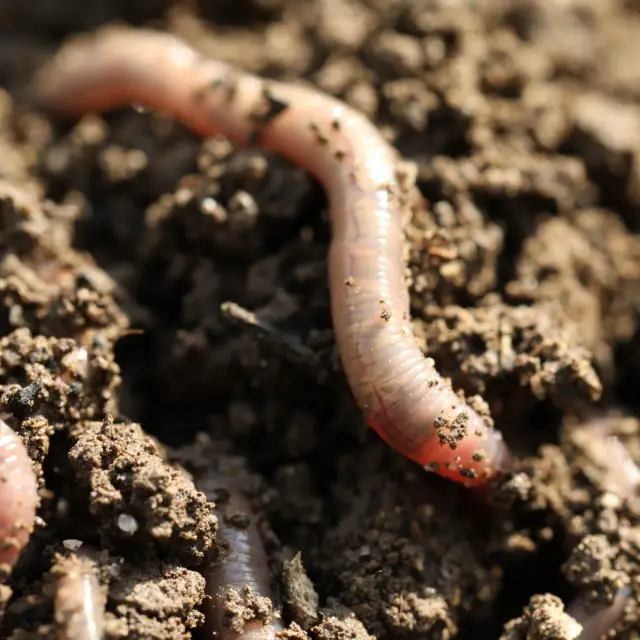
Invertebrate animals constitute a vast and diverse category within the animal kingdom. Unlike vertebrates, which have a backbone, invertebrates lack this internal bone structure, which has allowed them to adapt to a variety of environments and develop unique characteristics.
Definition and General Characteristics
Invertebrates are animals that do not have a backbone or rigid internal skeleton. This definition includes a wide range of organisms that vary in size, shape and complexity, from microscopic amoebas to enormous giant squids. Despite this diversity, all invertebrates share some common characteristics:
Absence of a backbone: The defining characteristic of invertebrates is the lack of a backbone.
Alternate support structures: Many invertebrates have alternative support structures, such as shells, exoskeletons or spicules.
Habitat diversity: Invertebrates are found in almost all habitats on the planet, from the deep ocean to the most arid deserts.
Varied reproduction: Reproduction methods among invertebrates are extremely diverse, including sexual and asexual reproduction.
Classification of Invertebrates
The classification of invertebrates is complex due to the enormous diversity of the group. However, they can be grouped into several main phyla:
1. Porifera (Sponges)
Sponges are aquatic animals, mainly marine, that are characterized by having a porous body through which they filter water to obtain nutrients. They do not have true tissues or organs, and their body structure is relatively simple.
2. Cnidarians
This phylum includes jellyfish, corals, and sea anemones. Cnidarians are characterized by having stinging cells called cnidocytes, which they use to capture prey and defend themselves. They have radial symmetry and can exist in polypoid or medusoid forms.
3. Flatworms (Flatworms)
Flatworms are flat-bodied worms that include both free-living and parasitic forms. Well-known examples are planarians and tapeworms. They are known for their regenerative capacity and centralized nervous system.
4. Nematodes (Roundworms)
Nematodes are worms with a cylindrical and elongated body. Many are free-living, while others are parasites that affect plants, animals and humans. They are one of the most numerous and diverse groups of animals.
5. Annelids
Annelids include earthworms and leeches. They are characterized by having a segmented body with a series of repetitive rings. They have well-developed circulatory and nervous systems.
6. Mollusks
The phylum Mollusca is one of the most diverse and includes snails, clams, octopuses and squid. Mollusks generally have a soft body, often protected by a hard shell. They have a muscular foot for locomotion and a visceral mass that contains internal organs.
7. Arthropods
Arthropods are the largest and most diverse group of invertebrates, including insects, spiders, crustaceans, and myriapods. They are characterized by having a chitin exoskeleton, a segmented body and articulated limbs.
8. Echinoderms
This phylum includes starfish, sea urchins, and sea cucumbers. Echinoderms have radial symmetry in their adult stage and an internal skeleton of calcareous plates. They are exclusive to the marine environment.
Ecological Importance of Invertebrates
Invertebrates play crucial roles in ecosystems. They are essential in processes such as pollination, the decomposition of organic matter and pest control. Here we explore some of their most important roles:
Pollinators
Insects, particularly bees, butterflies and some beetles, are essential for the pollination of many flowering plants. This process is vital for the reproduction of plants and, therefore, for the production of food and the biodiversity of terrestrial ecosystems.
Decomposers
Numerous invertebrates, including worms, insects, and some mollusks, act as decomposers. They break down dead organic matter, recycling nutrients and improving soil fertility. Earthworms, for example, are known for their role in soil aeration and the decomposition of organic matter.
Pest Controllers
Many invertebrates are natural predators of agricultural pests. Parasitic spiders, ladybugs and wasps help keep harmful insect populations in check, reducing the need for chemical pesticides and promoting more sustainable agricultural practices.
Food Sources
Invertebrates are a crucial food source for many animals, including fish, birds, amphibians and mammals. In aquatic environments, zooplankton, composed mainly of invertebrates, are an important base of the food chain.
Economic Importance of Invertebrates
In addition to their ecological importance, invertebrates also have a significant economic impact. Some examples include:
Beekeeping
Honey bees are not only crucial for pollination, but they are also the basis of beekeeping, an industry that produces honey, beeswax, and other products. Beekeeping is an important source of income for many rural communities.
Mariculture
Mollusks such as oysters, mussels and clams are cultivated in mariculture for human consumption. These invertebrates are an important source of protein and a lucrative industry in many coastal regions.
Biotechnology and Medicine
Invertebrates have provided valuable contributions to biotechnology and medicine. For example, the venom of some spiders and scorpions is studied to develop new drugs, while horseshoe crabs are used in endotoxin tests to ensure the safety of drugs and vaccines.
Agriculture and Gardening
Vermiculture, or worm farming, is used to produce vermicompost, an organic fertilizer rich in nutrients that improves soil quality and promotes plant growth. This composting method is a sustainable and ecologically beneficial practice.
Invertebrate Conservation
Despite their importance, invertebrates often receive less attention in conservation efforts than vertebrates. However, many invertebrate species are endangered due to habitat loss, pollution, climate change and other threats. It is crucial to increase efforts to protect these species and their habitats, not only for their intrinsic value, but also for their fundamental role in ecosystems and their contribution to biodiversity.
Common Threats
Habitat Loss: Urbanization, intensive agriculture and deforestation are some of the main causes of the destruction of natural habitats.
Pollution: Pesticides, industrial chemicals and plastic waste can be highly harmful to many invertebrate species.
Climate Change: Alterations in climate patterns can affect the life cycles, geographic distributions, and ecological interactions of invertebrates.
Invasive Species: The introduction of non-native species can displace or prey on local species, altering ecosystems.
Conservation Strategies
Habitat Protection: The creation and management of protected areas can help preserve the natural habitats of invertebrates.
Research and Monitoring: Continued research on invertebrate populations and their ecology is crucial to understanding and mitigating threat factors.
Education and Awareness: Raising public awareness of the importance of invertebrates can help build support for conservation initiatives.
Regulation and Policies: Implement and enforce policies that protect habitats and regulate the use of pesticides and other contaminants.
Fascinating Examples of Invertebrates
Immortal Jellyfish (Turritopsis dohrnii)
One of the most amazing species is the immortal jellyfish. This jellyfish has the unique ability to reverse its life cycle, returning to its polyp state after reaching maturity, potentially allowing it to live indefinitely.
Mimetic Octopus (Thaumoctopus mimicus)
The mimetic octopus is known for its ability to imitate the appearance and behavior of other marine animals, such as fish, sea snakes and jellyfish, as a defense strategy against predators.
Monarch Butterfly (Danaus plexippus)
The monarch butterfly is famous for its annual migration, which can span thousands of miles from Canada to Mexico. This phenomenon is one of the most impressive migrations in the animal kingdom.
Rhinoceros Beetle (Dynastinae)
Rhinoceros beetles are some of the strongest insects in the world relative to their size. They can lift objects weighing up to 850 times their own weight.
Giant Squid (Architeuthis dux)
The giant squid is one of the largest invertebrates, reaching lengths of up to 13 meters. Its size and the depth at which it lives have turned this animal into a creature shrouded in mystery and fascination.
Invertebrate animals represent a vital and fascinating component of the animal kingdom. Their diversity in shapes, sizes, and ecological functions underscores the importance of these organisms in maintaining global ecosystems. Despite their importance, many invertebrates face significant threats that require urgent attention and conservation. Understanding and appreciating the complexity of these living beings is not only a scientific objective, but also a necessity to ensure the health and sustainability of our planet.