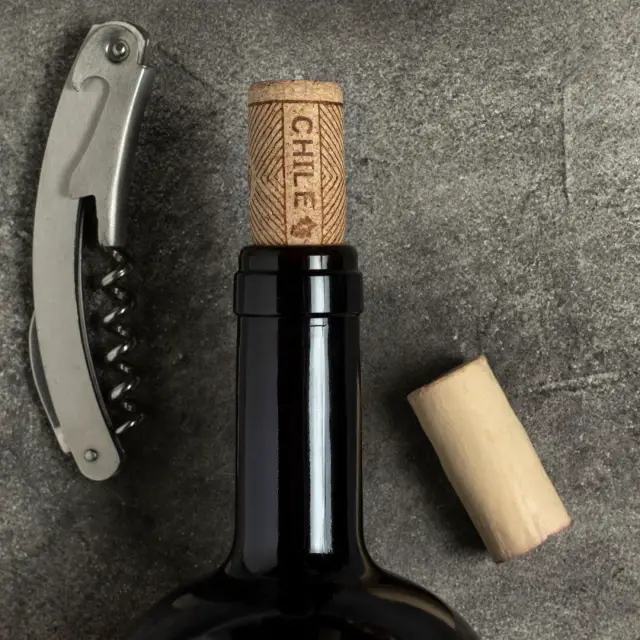
Chilean wine is recognized worldwide for its quality and diversity. Chile, with its varied geography and climate, offers ideal conditions for viticulture. From coastal valleys to inland valleys and mountainous regions, wine production in Chile has developed a unique identity that combines traditional and modern techniques.
History of wine in Chile
origins
The history of wine in Chile dates back to the arrival of the Spanish conquistadors in the 16th century. It was they who brought the first vine stocks from Europe. The first documented evidence of viticulture in Chile dates back to 1554, when Francisco de Aguirre planted the first vines in the Copiapó region. These first vines were mainly of the País grape, also known as Mission in other parts of Latin America.
Development and expansion
During the colonial period, wine production expanded mainly for local and religious consumption. In the 19th century, with the independence of Chile and the arrival of European immigrants, especially French, Chilean viticulture underwent a significant transformation. New grape varieties were introduced, such as Cabernet Sauvignon, Merlot and Carmenere, the latter rediscovered in Chile after being considered extinct in Europe.
International recognition
In the last decades of the 20th century, Chilean wine began to gain international recognition. Investment in technology, the professionalization of the sector and the opening of global markets allowed Chilean producers to compete on the world stage. Today, Chile is one of the leading wine exporters, known for its quality, diversity and value for money.
Wine regions of Chile
Chile has a diversity of wine-growing regions that contribute to the richness and variety of its wines. The main regions are:
Aconcagua Valley
Located north of Santiago, the Aconcagua Valley is known for its high-quality red wines, especially Cabernet Sauvignon and Syrah. The influence of the Andes mountain range and the Aconcagua River creates an ideal microclimate for viticulture.
Casablanca Valley
Located near the coast, the Casablanca Valley is famous for its white wines, particularly Sauvignon Blanc and Chardonnay. The cool climate and maritime influence provide excellent conditions for the production of fresh and aromatic wines.
Maipo Valley
Considered the heart of Chilean viticulture, the Maipo Valley, near Santiago, is known for its exceptional Cabernet Sauvignon. With varied soils and a Mediterranean climate, it produces complex and well-structured wines.
Colchagua Valley
One of the most dynamic regions, the Colchagua Valley is famous for its red wines, especially Carmenere, Cabernet Sauvignon and Syrah. The diversity of soils and microclimates allows the production of a wide range of wine styles.
Maule Valley
It is one of the oldest wine regions in Chile and offers a great diversity of soils and climates. It is known for its robust and well-structured red wines, including Carignan, which has gained popularity in recent years.
Chilean wine making process
Winemaking is a complex and meticulous process that involves multiple stages, from growing the vine to bottling. Each of these stages is described in detail below.
1. Vine cultivation
The winemaking process begins in the vineyard. Choosing the right site and grape varieties are crucial to producing high-quality grapes.
Site selection
Climate, soil and topography are key factors in vineyard site selection. In Chile, geographic diversity allows for a wide range of growing conditions. Colder regions, such as Casablanca, are ideal for white varieties, while warmer regions, such as Colchagua, are better for red varieties.
Planting and management of the vineyard
Once the site is selected, the vines are planted. Vineyard management includes practices such as pruning, irrigation and pest control. Pruning is essential to control vine growth and the production of quality grapes. Irrigation, especially in drier regions, is carefully managed to avoid water stress.
2. Vintage
The grape harvest is the harvesting of grapes and can be manual or mechanical. The decision of when to harvest grapes is crucial and depends on the desired level of ripeness, which affects the flavor, aroma and structure of the wine.
Manual harvest
Manual harvesting allows for more precise selection of grapes, ensuring that only the best quality ones are picked. It is especially important for high-end wines, where quality and precision are essential.
Mechanical harvest
Mechanical harvesting is faster and more efficient, but can be less selective. It is mainly used in large vineyards and for mass-produced wines. However, with modern technology, mechanical harvesters can be quite precise.
3. Vinification
Winemaking is the process of turning grapes into wine and consists of several stages: destemming, crushing, fermentation, maceration and pressing.
Destemmed and crushed
Destemming is the process of separating grape clusters from the stems. This is important to avoid undesirable grassy flavors in the wine. The grapes are then gently squeezed to release the juice, called must.
Fermentation
Fermentation is the process where the must becomes wine thanks to the action of yeasts, which transform sugars into alcohol and carbon dioxide. Fermentation can last from several days to weeks, depending on the type of wine and fermentation conditions.
Maceration
During fermentation, the skins of the red grapes remain in contact with the must to extract color, tannins and aromas. This process is called maceration and can last from a few days to several weeks. For white wines, maceration is generally brief or non-existent.
Pressing
After fermentation and maceration, the wine is separated from the skins and other solids by pressing. Pressed wine can be mixed with free wine to adjust the structure and final flavor.
4. Parenting
Aging is the process of aging wine to develop its character and complexity. It can be made in stainless steel tanks, oak barrels or bottles.
Aging in stainless steel
Stainless steel tanks are used mainly for white and rosé wines, where it is desired to maintain freshness and purity of fruit. These tanks allow precise temperature control.
Aging in oak barrels
Aging in oak barrels adds complexity and depth to the wine, providing flavors and aromas of vanilla, toast and spices. The aging time in barrels varies depending on the type of wine and the desired style.
Aging in bottle
Some wines benefit from additional bottle aging time before being released to the market. This process allows flavors and aromas to integrate and evolve, improving the quality of the wine.
5. Bottling
Bottling is the final stage before the wine is ready for consumption. The wine is filtered and bottled under hygienic conditions to avoid any contamination.
Filtration and stabilization
Before bottling, the wine can go through filtration and stabilization processes to remove particles and ensure its stability. This is crucial to prevent sediment formation and ensure that the wine remains in good condition.
Bottling
The wine is bottled in glass bottles, which are sealed with cork or alternative stoppers. The bottles are labeled and packaged for distribution and sale.
Innovations and trends in Chilean viticulture
Chilean viticulture has evolved significantly in recent decades, adopting new technologies and sustainable practices. Some of the most notable innovations and trends include:
Organic and biodynamic viticulture
More and more vineyards in Chile are adopting organic and biodynamic practices. These practices seek to minimize the use of chemicals and promote biodiversity, improving the health of the vineyard and the quality of the grapes.
Technology in winemaking
Technology has transformed winemaking in Chile. The use of drones to monitor vineyards, sensors to monitor fermentation, and automated irrigation systems are just a few examples of how technology is optimizing wine production.
Wine tourism
Wine tourism has grown considerably in Chile, with many wineries opening their doors to the public. They offer tours, tastings and gastronomic experiences that allow visitors to get to know
The commitment to innovation, sustainability and excellence has allowed Chile to position itself as one of the main wine producers worldwide. The adoption of organic and biodynamic practices, along with the incorporation of advanced technologies, has improved not only the quality of the wine but also the sustainability of Chilean viticulture. Furthermore, wine tourism has opened new opportunities for wine lovers to discover and appreciate the richness and diversity of Chilean wines.