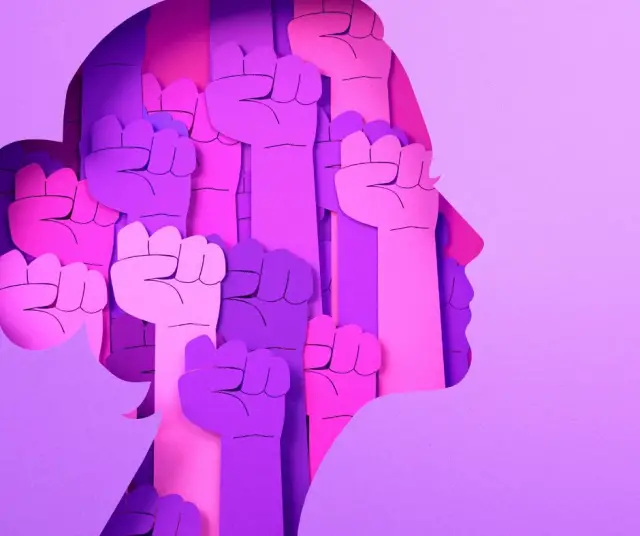
Feminism is a multifaceted concept that has evolved over time and has taken different forms in different cultural and social contexts. From its historical roots to its contemporary impact, feminism has been a key driver of social change, challenging gender norms and fighting for equal rights between men and women.
Historical Origins
Feminism has its roots in the 19th century, when women began to question their role in society and demand political, economic and social rights equal to those of men. The modern feminist movement emerged strongly in the first wave of feminism, which focused mainly on the fight for women's suffrage and the promotion of legal and educational equality.
Suffragettes, such as Susan B. Anthony and Elizabeth Cady Stanton in the United States, and Emmeline Pankhurst in the United Kingdom, led bold campaigns to grant women the right to vote. Through protests, marches, and lobbying, these pioneers of feminism laid the foundation for future generations of activists.
Movement Evolution
As feminism evolved, different currents and approaches emerged to address gender inequalities. The second wave of feminism, which took place in the 1960s and 1970s, focused on issues such as equal pay, access to education, and reproductive autonomy. Feminists of this era, such as Betty Friedan, Gloria Steinem, and Simone de Beauvoir, challenged society's ingrained gender norms and advocated for systemic change.
The third wave of feminism, which began in the 1990s, was characterized by a more inclusive and diverse approach, recognizing the intersections of gender, race, class, and sexual orientation. Feminists of this generation, such as bell hooks, Angela Davis, and Kimberlé Crenshaw, expanded the conversation about gender oppression to include experiences that had previously been marginalized or ignored.
Principles and Objectives
While feminism is a diverse movement with a wide range of perspectives and approaches, there are some fundamental principles that often unite feminists in their fight for gender equality:
Equal Rights: Feminists advocate for equal legal, political, economic and social rights between men and women.
Bodily Autonomy: The right of women to make autonomous decisions about their bodies, including reproduction, sexuality and gender expression.
Eliminating Gender Violence: The fight against domestic violence, sexual assault, harassment and other forms of gender-based violence.
Employment Equity: The pursuit of equal pay, career opportunities and fair working conditions for women in all sectors and levels of society.
Recognition of Intersections: The understanding that experiences of oppression and discrimination are intertwined with other factors, such as race, class, sexual orientation, and gender identity.
Feminism Today
Despite the progress made in recent decades, feminism remains relevant in the contemporary world, where many forms of gender inequality persist. The pay gap, underrepresentation of women in leadership positions, gender-based violence and discrimination in the workplace are just a few of the many areas where there is still work to be done.
The #MeToo movement, for example, has sparked a global debate about sexual harassment and led to greater scrutiny of practices and cultural norms that perpetuate gender-based violence. Contemporary feminists are also leading the fight against gender discrimination in technology, science, politics and other fields, advocating for greater inclusion and diversity.
Challenges and Criticisms
Despite its importance and achievements, feminism has also faced criticism and challenges. Some argue that the movement has been too focused on the concerns of white and middle-class women, ignoring the experiences of women of color, transgender women, and women from marginalized communities. Others question whether feminism has adequately addressed the complexities of gender identities and power relations in society.
Additionally, feminism has been subject to a conservative backlash in some circles, where it has been caricatured as anti-men or associated with radical political agendas. These criticisms often misrepresent the core goals and principles of feminism, which seek equality and justice for all people, regardless of gender.
The Future of Feminism
As feminism continues to evolve, it is important to recognize its ability to adapt to new challenges and social contexts. 21st century feminists are using digital tools and online platforms to organize and spread their messages, reaching broader and more diversified audiences than ever before.
The future of feminism will depend largely on the movement's ability to effectively address intersections of oppression and to include a wide range of voices and experiences in its fight for equality. As societies change and evolve, feminism will continue to be a powerful driver of change, challenging entrenched gender norms and working towards a more just and equitable world for all.
Feminism is much more than just a social movement; It is a transformative force that has shaped history and continues to shape the world in which we live. From its modest beginnings in the 19th century to its global influence in the 21st century, feminism has challenged dominant power structures and promoted equality and justice for women and people of all genders.
As we look to the future, it is crucial that we recognize the continued importance of feminism in the fight for a more inclusive and equitable world. Only by recognizing and eliminating gender inequalities can we build a truly just and free society for all.