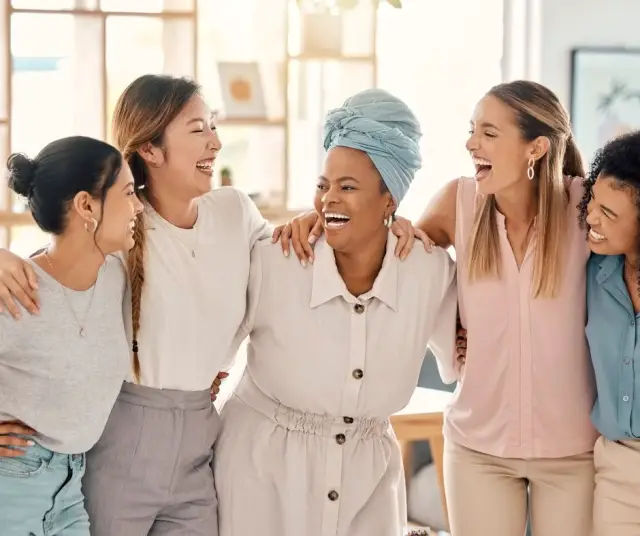
Female empowerment is a multifaceted concept that encompasses a wide range of social, economic and political dimensions. At its core, it refers to the process by which women gain control over their own lives, achieve equal opportunities, and actively participate in decision-making in all aspects of society. Throughout history, women have fought for their rights and challenged social norms to achieve a greater degree of autonomy and freedom.
The women's rights movement has deep historical roots dating back centuries. From the suffragettes who fought for the right to vote in the 19th century to contemporary feminists who advocate for gender equality in all spheres of life, women have systematically challenged the patriarchal power structures that have marginalized and oppressed them.
In many societies, women have been relegated to domestic roles and have faced discrimination in the workplace, politics, and society. However, over time, resistance and activism movements have emerged that have challenged these injustices and promoted gender equality. The emergence of feminism as a political and social movement in the 20th century marked a turning point in the fight for women's rights, and since then, significant progress has been made in terms of legal and social equality.
Dimensions of Female Empowerment
Female empowerment encompasses various dimensions that go beyond simple legal equality. It refers to women's ability to make autonomous decisions about their lives, have access to resources and opportunities, participate in political and public life, and challenge restrictive gender norms that limit their freedom and autonomy.
One of the fundamental dimensions of female empowerment is access to education. Education is a powerful instrument to empower women and provide them with the skills and knowledge necessary to make informed decisions about their lives. However, in many parts of the world, girls and women face barriers to accessing education, whether due to lack of economic resources, restrictive cultural norms, or gender discrimination in the education system.
Another crucial dimension of female empowerment is access to decent and well-paid employment. Paid work not only provides economic independence for women, but also gives them the opportunity to contribute to the economic development of their communities and society as a whole. However, women continue to face inequalities in the labor market, including the gender pay gap and occupational segregation, which perpetuate inequality and discrimination.
Political participation is another important dimension of female empowerment. Although women make up approximately half of the world's population, they remain underrepresented in political decision-making positions around the world. Equal access to politics and political representation are essential to ensure that women's interests and concerns are taken into account in the policy formulation process and decision-making at all levels.
Challenges on the Path to Female Empowerment
Despite the progress made in the fight for gender equality, numerous challenges remain on the path to female empowerment. The persistence of discriminatory cultural and social norms, lack of access to economic and educational resources, gender violence, and discrimination in the workplace and politics are just some of the obstacles that women face around the world.
Gender discrimination remains a pervasive reality in many societies, perpetuated by entrenched gender stereotypes and patriarchal power structures. Women continue to face barriers to accessing economic and educational opportunities, and many are victims of gender-based violence in their homes, workplaces and communities.
The gender pay gap is another major challenge facing women around the world. Even though women are increasingly present in the workforce and have achieved educational levels comparable to men, they continue to earn significantly less than their male counterparts for the same work. This pay disparity not only perpetuates economic inequality between the genders, but also undermines women's autonomy and economic independence.
Gender-based violence is another form of oppression that disproportionately affects women around the world. Whether in the form of domestic violence, sexual assault, human trafficking or female genital mutilation, gender-based violence is a flagrant violation of human rights and an extreme manifestation of gender inequality.
The Role of Women Empowerment in Sustainable Development
Female empowerment is not only a moral imperative and a fundamental human right, but also plays a crucial role in achieving the United Nations Sustainable Development Goals (SDGs). The empowerment of women and girls is closely linked to the eradication of poverty, the promotion of health and well-being, gender equality, inclusive economic growth and building peaceful and sustainable societies.
When women have access to education and employment, they can contribute more significantly to the economic and social development of their communities. Women's economic empowerment not only benefits women themselves, but also has multiplier effects in terms of reducing poverty, improving health and education, and strengthening local and national economies. Furthermore, the empowerment of women and girls is essential to promote gender equality and combat discrimination in all its forms. When women have a voice in political and social decision-making, they can advocate for policies and programs that address their specific needs and concerns, as well as work to change social norms and attitudes that perpetuate gender inequality.
Throughout the world, there are numerous initiatives and programs that are working to promote female empowerment and improve the lives of women and girls. From education programs for girls in rural communities to awareness campaigns on gender violence, these initiatives are playing a crucial role in transforming patriarchal power structures and promoting gender equality.
In business, more and more companies are recognizing the benefits of female empowerment and are adopting policies and practices that promote gender equality in the workplace. From implementing measures to close the gender pay gap to promoting diversity and inclusion in the workforce, these companies are proving that female empowerment is not only good for women, but also for business and society. as a whole.
At the political level, many countries are implementing measures to promote women's political participation and increase their representation in government bodies. From the implementation of gender quotas to the adoption of laws and policies that protect women's rights, these efforts are helping to close the gender gap in the political sphere and strengthen inclusive democracy and governance.