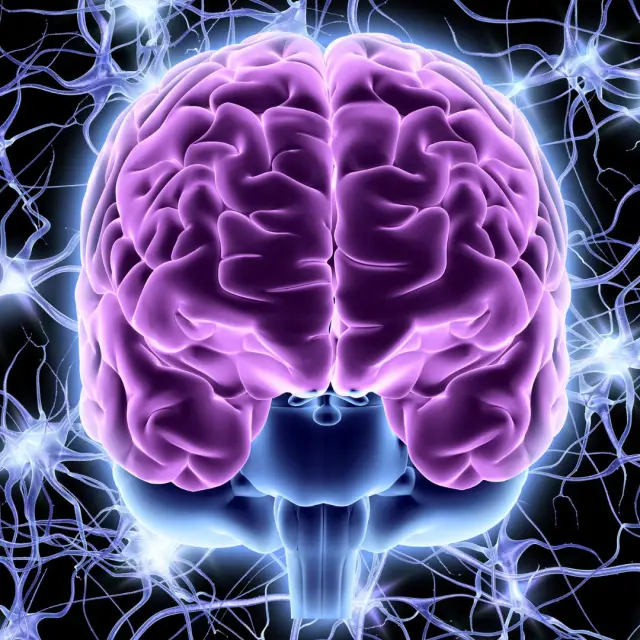
Neurons are the fundamental units of the nervous system. They are specialized cells that transmit information through electrical and chemical signals. The functioning of neurons is crucial to understanding a wide range of cognitive and behavioral processes, from sensory perception to abstract thinking.
Structure of a Neuron
Before we dive into how neurons work, it's important to understand their basic structure. A typical neuron consists of three main parts:
Cell body (Soma): The soma is the center of the neuronal cell and contains the nucleus, which houses the cell's genetic material. It is responsible for the synthesis of proteins and other molecules necessary for the functioning of the neuron.
Dendrites: Dendrites are branched extensions of the soma that receive signals from other neurons or sensory cells. These signals are transmitted to the soma, where they are integrated.
Axon : The axon is a long, thin extension of the neuron that carries electrical signals from the soma to other neurons, muscles or glands. At the end of the axon, there are specialized structures called axon terminals or synaptic boutons, which communicate with the dendrites of other neurons.
Neuron Functioning
The functioning of a neuron involves a complex interaction between electrical and chemical processes. The process begins with the reception of signals in the dendrites. These signals can come from other neurons through connections called synapses, or they can originate in sensory cells in response to environmental stimuli.
Once a signal reaches a dendrite, it triggers a change in the neuron's electrical potential. This change, known as the postsynaptic potential, can be excitatory or inhibitory, depending on the nature of the signal received. Excitatory potentials cause the inside of the neuron to become more positive, while inhibitory potentials have the opposite effect.
If the sum of all synaptic potentials in the soma reaches a critical threshold, an action potential is triggered. This is a rapid change in electrical potential along the axon, which propagates downward from the cell body to the axon terminals. The action potential is an all-or-none signal: once triggered, it propagates along the axon without decreasing in intensity.
The speed of action potential propagation can vary depending on the diameter and myelination of the axon. Myelin is a fatty substance that covers certain axons and acts as an insulator, accelerating the transmission of the electrical impulse.
When the action potential reaches the axon terminals, it triggers the release of neurotransmitters at the synapse. These neurotransmitters are chemical molecules that travel through the synaptic gap and bind to receptors on the dendrites of the postsynaptic neuron. This process can excite or inhibit the activity of the receiving neuron, which continues the transmission of the signal throughout the neural network.
Types of Neurons
There are several types of neurons in the nervous system, each with specialized structures and functions. Some of the most common types include:
Sensory Neurons: These neurons transmit signals from sensory receptors, such as touch receptors in the skin or visual receptors in the eyes, to the central nervous system.
Motor Neurons: Also known as efferent neurons, they transmit signals from the central nervous system to the muscles and glands, controlling muscle contraction and hormone secretion, respectively.
Interneuronal Neurons: These neurons act as local connections within the central nervous system and are responsible for processes such as signal integration and coordination of neuronal responses.
Neuronal plasticity
One of the most fascinating features of the nervous system is its ability to adapt and change in response to experience. This phenomenon, known as neuronal plasticity, involves changes in the strength and effectiveness of synaptic connections between neurons.
Neuronal plasticity manifests itself in various ways, such as the formation of new synaptic connections (synaptogenesis), the strengthening of existing connections (synaptic potentiation), and the elimination of unused connections (synaptic pruning). These processes are essential for learning and memory, as well as for recovery from brain injuries.
Understanding how neurons work is essential to advancing our understanding of a wide range of cognitive and behavioral processes, from sensory perception to learning and memory. Furthermore, neural plasticity underscores the brain's remarkable ability to adapt and change in response to experience, which has important implications in fields such as neurorehabilitation and education.