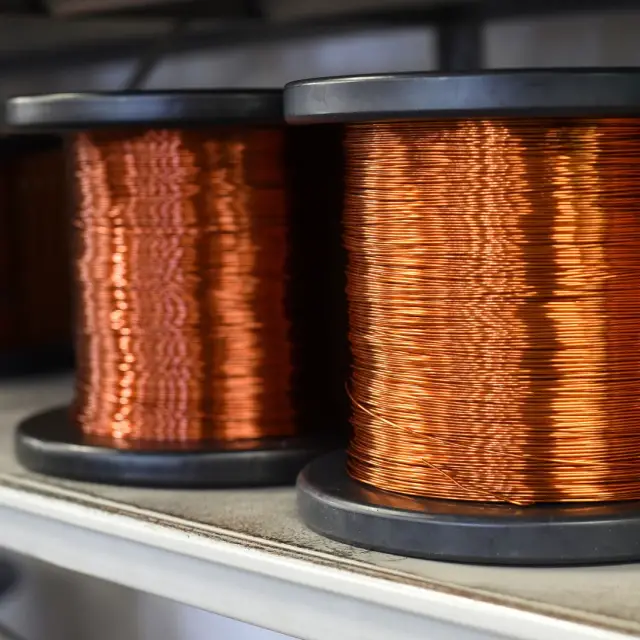
Copper is one of the oldest and most versatile metals known to humanity. Its use dates back thousands of years and has played a crucial role in the development of civilization. From tool making in the Bronze Age to its fundamental role in modern technology, copper remains a highly relevant material.
History of Copper
The Discovery of Copper
Copper was one of the first metals used by humans. It is estimated that its use began around 8000 BC in the Middle East. The first civilizations to work with copper were the Sumerians and the Egyptians, who discovered that they could mold and shape it through hammering and smelting. This discovery marked the beginning of the Age of Metals.
The Copper and Bronze Age
The Copper Age (or Chalcolithic) refers to the period when copper was widely used to make tools and ornaments. Later, around 3000 BC, it was discovered that mixing copper with tin produced a harder and more resistant material: bronze. This alloy allowed the creation of more durable weapons and tools, leading to the Bronze Age.
Copper in Antiquity
In ancient times, copper had immense value. The Egyptians used it to make jewelry, tools and decorative elements in their temples and tombs. In America, pre-Columbian civilizations such as the Incas, Mayans and Aztecs also worked with copper, creating ornaments and utensils. In Europe, the Romans exploited copper mines on a large scale, using the metal in minting coins and building infrastructure.
Properties of Copper
Physical and chemical properties
Copper is a bright red-orange transition metal when polished. It is known for its high thermal and electrical conductivity, second only to silver. Some of its notable properties include:
Electrical Conductivity: Copper is widely used in electrical cables due to its ability to conduct electricity with high efficiency.
Thermal Conductivity: Its ability to transfer heat makes it ideal for use in cookware and radiators.
Malleability and Ductility: Copper can be drawn into fine threads (ductility) and molded into thin shapes without breaking (malleability).
Corrosion Resistance: Although it oxidizes in the presence of air, forming a layer of green patina that protects it from further corrosion.
The Patina of Copper
One of the most distinctive characteristics of copper is the green patina that forms over time due to oxidation and exposure to the elements. This process not only gives it a unique and attractive look, but also acts as a protective layer that prevents further corrosion of the underlying metal. Famous monuments such as the Statue of Liberty in New York exhibit this patina, becoming historical icons.
Copper Applications
In Electronics and Electricity
Copper is essential in the electronic and electrical industry due to its high conductivity. It is used in the manufacture of electrical cables, motors, generators and transformers. Its ability to transmit electricity with little resistance makes it the preferred material for these essential components.
In the construction
Copper is used in construction for its durability and resistance to corrosion. It is used on roofs, gutters and water pipes. The patina it develops over time not only provides an attractive aesthetic, but also improves the longevity of the structures.
In the Currency
Historically, copper has been a common material in coinage. Many coins, such as US cents, are made of copper or alloys containing copper. Its durability and ease of minting make it ideal for this purpose.
In the Health Industry
Copper has antimicrobial properties, meaning it can kill bacteria, viruses and fungi. For this reason, it is increasingly being used on contact surfaces in hospitals and other healthcare settings to reduce the spread of infection.
In Decoration and Art
The beauty and versatility of copper have made it a popular material in art and decoration. Sculptors and artists use it to create stunning works of art, and its use in jewelry has been appreciated from ancient times to the present day.
Copper Curiosities
Copper and Human Health
Copper is an essential trace element in the human diet. It is necessary for the formation of red blood cells, the absorption of iron, the development of connective tissue and the maintenance of the immune system. A copper deficiency can lead to health problems such as anemia and osteoporosis. However, excess copper can also be toxic, so it is important to maintain a proper balance.
Copper in the Environment
Copper is 100% recyclable without loss of its properties. This means that virtually all the copper used can be reused, making it a very sustainable metal. In addition, its recycling requires less energy than the extraction and processing of new copper, which contributes to the conservation of natural resources and the reduction of carbon emissions.
Copper and Ancient Cultures
Various ancient cultures attributed mystical and healing properties to copper. In ancient Greece, it was used to make mirrors and surgical tools, and the ancient Egyptians believed it had magical and healing properties. Even today, some practice copper therapy, which includes wearing bracelets and other accessories made of copper in the belief that they can relieve pain from arthritis and other ailments.
Famous Copper Mines
Some of the largest and most famous copper mines in the world are the Chuquicamata mine in Chile, the Bingham Canyon mine in the United States and the Escondida mine, also in Chile. These mines have produced significant quantities of copper for decades, contributing greatly to the global economy and the world's supply of this metal.
Copper in Mythology and Alchemy
In mythology, copper was associated with Aphrodite and Venus, goddesses of love and beauty. Alchemists of the Middle Ages also associated copper with Venus and believed it had the ability to transform base metals into gold. These beliefs highlight the deep historical and cultural connection humanity has had with copper.
Modern Innovations with Copper
Nanotechnology and Copper
In the era of nanotechnology, copper continues to demonstrate its importance. Copper nanowires are being investigated for use in ultra-thin and flexible electronic devices. These innovations could lead to significant advances in the technology of displays, batteries and other electronic components.
Renewable energy
Copper plays a crucial role in the transition to renewable energy. It is an essential component in wind turbines, solar panels and hydropower infrastructure. Its ability to conduct electricity efficiently and its durability make it ideal for these uses.
Heat Conduction Technologies
Copper is essential in heat dissipation technology. It is used in radiators, heat exchangers and cooling systems in various industrial and domestic applications. Its ability to transfer heat efficiently helps keep machines and devices operating optimally.
The Future of Copper
Sustainability and Recycling
As demand for copper continues to increase, sustainability and recycling of copper become more important. Advances in recycling technology allow more copper to be recovered from discarded products, reducing the need to mine new copper. Additionally, sustainable mining practices are improving to minimize the environmental impact of copper mining.
Innovations in Mining
Copper mining is evolving with the introduction of new technologies such as automated mining and the use of drones for mine exploration and monitoring. These innovations not only increase the efficiency and safety of mining operations, but also reduce environmental impact.
Copper in the Circular Economy
The concept of circular economy is gaining ground in the copper industry. This approach focuses on keeping materials in use for as long as possible, through recycling and reuse. Copper, due to its ability to be infinitely recycled, fits perfectly into this model, helping to create a more sustainable and efficient system.
As we face global challenges such as sustainability and climate change, copper is presented not only as a valuable resource, but also as a key solution in the search for cleaner and more efficient technologies.