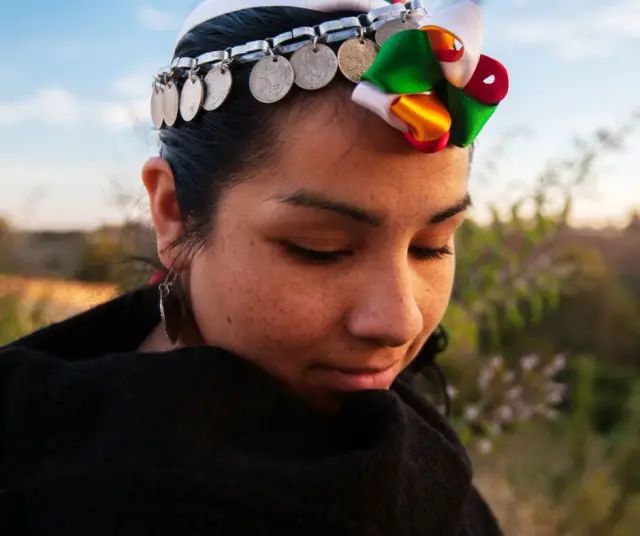
Chile, a nation of impressive geographic and cultural diversity, is home to a rich and varied indigenous population that has shaped the country's identity and history since time immemorial. These native peoples, with their ancestral traditions, unique languages and particular worldviews, constitute a fundamental component of the social and cultural fabric of Chile.
History
The history of Chile's indigenous peoples is a complex and fascinating narrative that spans millennia, marked by periods of prosperity, resistance and adversity. Before the arrival of European colonizers in the 16th century, the region we know today as Chile was inhabited by a diversity of indigenous cultures, each with their own traditions, social structures and belief systems rooted in a deep connection to the land. and the natural environment.
Among these native peoples, the Mapuches stood out, whose presence extended from central Chile to the Araucanía region, and whose resistance against the Spanish conquest became a symbol of the fight for freedom and autonomy. The Mapuche, skilled warriors and farmers, fiercely defended their ancestral lands against Spanish incursions for centuries, establishing a precedent of resistance that would inspire other indigenous communities throughout the region.
In addition to the Mapuches, other indigenous groups such as the Aymaras in the north, the Diaguitas in the central valley and the Rapa Nui on remote Easter Island, among many others, also left a deep mark on the history and culture of Chile. These indigenous peoples developed sophisticated forms of social organization, systems of knowledge about the natural environment and unique cultural expressions that reflected their deep roots in the land and their particular worldview.
The arrival of the Spanish in the 16th century introduced drastic changes in the lives of the indigenous people of Chile. The Spanish conquest brought with it violence, exploitation and disease, which decimated many indigenous communities and irreparably altered their traditional ways of life. However, despite colonization and subjugation, the indigenous peoples of Chile resisted tenaciously, defending their territory, their culture and their identity against foreign domination.
During the following centuries, the indigenous peoples of Chile continued to fight for autonomy and the recognition of their rights against colonial oppression and later against the Chilean State. Despite persistent challenges, they have kept their cultural heritage alive through the oral transmission of traditions, the preservation of ancestral languages, and the practice of sacred ceremonies and rituals that connect with their ancestors and the land.
Culture
The culture of the indigenous peoples of Chile is incredibly diverse and rich, reflecting the wide range of geographical environments in which they have lived over the centuries. Each indigenous people has its own set of traditions, beliefs, customs and artistic expressions that have been transmitted from generation to generation.
Music and dance play an important role in the cultural life of many indigenous peoples of Chile. Traditional celebrations, such as the Mapuche "We Tripantu" (Mapuche New Year) or the "Machitún" (healing ceremony) are occasions to gather, honor ancestors and strengthen community ties.
Indigenous craftsmanship is also highly appreciated, with ancestral techniques that have been passed down over the centuries. From the pottery of the Diaguitas to the Mapuche textiles and the wooden sculptures of the Rapa Nui, indigenous crafts are a tangible manifestation of the creativity and ingenuity of these peoples.
Language is another central aspect of indigenous culture. Although many indigenous languages of Chile are in danger of extinction due to the influence of Spanish and other factors, language revitalization efforts are helping to preserve and promote these languages as a vital part of the country's cultural heritage.
Contemporary Challenges
The indigenous peoples of Chile face a series of contemporary challenges that put their well-being, their culture and their future at risk. One of the most urgent challenges is the fight for land and natural resources. Throughout history, many indigenous communities have been displaced from their ancestral lands due to the expansion of agriculture, mining and other development projects. The lack of access to land suitable for agriculture, livestock, and the preservation of indigenous culture and identity is a constant concern that threatens the subsistence and well-being of these communities.
Discrimination and marginalization are also persistent problems for many indigenous people in Chile. They often face barriers to accessing education, healthcare and other basic services, and are victims of prejudice and negative stereotypes in Chilean society. Lack of political representation and participation in decision-making is another major challenge, with few Indigenous voices at the highest levels of government and society, limiting their ability to advocate for their rights and defend their interests.
Environmental protection is another crucial challenge for Chile's indigenous people. Many communities depend directly on natural resources for their subsistence and well-being, and are seeing how their territories are affected by deforestation, pollution and climate change. Environmental degradation threatens not only the food security and economic livelihood of these communities, but also the preservation of their culture, their identity, and their spiritual relationship with the land.
Furthermore, the loss of languages and the erosion of cultural traditions represent a significant challenge to the survival of Chile's indigenous peoples. Many indigenous languages are in danger of extinction due to the influence of Spanish and other factors, putting a vital component of the country's linguistic and cultural diversity at risk. Linguistic revitalization and strengthening cultural institutions are essential to preserving the richness and diversity of Chile's indigenous cultures for future generations.