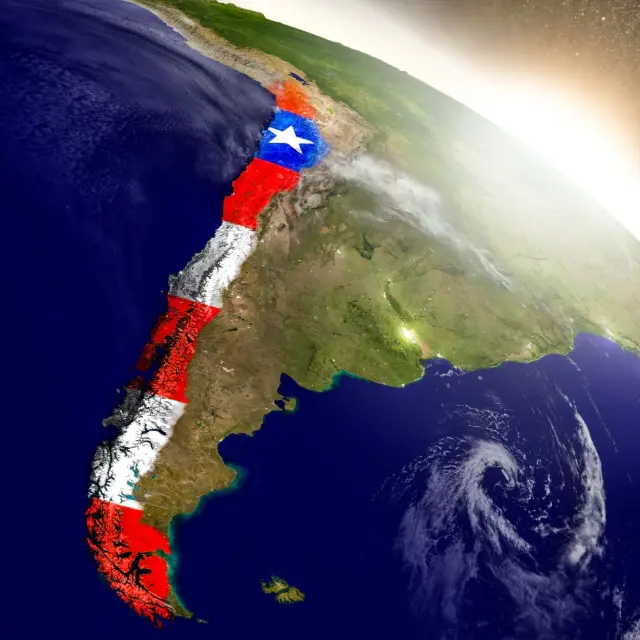
Chile is recognized worldwide as a model of trade openness and economic development. With an economy based on the export of natural resources and a growing diversification of its productive sectors, trade has been a fundamental driver of its growth. This article explores the importance of trade in Chile, its historical evolution, key sectors and the challenges it faces in a changing global context.
Historical Evolution of Trade in Chile.
Chile's commercial history is deeply linked to its geography and natural resources. During the colonial era, trade revolved around the exploitation of minerals such as gold and silver, as well as agriculture. With independence in 1818, Chile began to develop its international trade, exporting products such as wheat and copper.
The 20th century marked a turning point with economic openness and the signing of numerous trade agreements. In 1973, with the arrival of the military government, Chile adopted a neoliberal economic model, reducing tariff barriers and encouraging foreign investment. This approach consolidated the country as a relevant player in global trade.
Today, Chile is a member of organizations such as the Pacific Alliance, the World Trade Organization (WTO) and the Asia-Pacific Economic Cooperation Forum (APEC), reflecting its commitment to international trade.
Key Sectors of Chilean Trade.
Mining.
Mining, especially copper mining, is the most important sector for Chilean trade. Chile is the largest producer and exporter of copper in the world, accounting for around 50% of its total exports. Companies such as Codelco and BHP Billiton play a key role in this sector.
Agriculture and Agri-Food Products.
Chile is also noted for its production of fruit, wine and seafood. Key markets for these products include the United States, China and Europe. For example, the country is one of the world's leading exporters of grapes, apples and kiwis.
Renewable Energy.
In recent years, Chile has diversified its trade into emerging sectors such as renewable energy. With the Atacama Desert offering ideal conditions for solar energy, the country has begun to export technologies and know-how in this field.
Fishing Industry.
Chile also occupies a prominent place in the export of fishery and aquaculture products, such as salmon. In fact, it is the second largest exporter of salmon in the world after Norway.
Main Trading Partners.
Chile's foreign trade is dominated by a number of strategic partners. China is the main destination for Chilean exports, especially copper. Other important partners include:
United States: Important destination for agricultural and technological products.
European Union: Recipient of wines, fruits and seafood products.
Japan and South Korea: Key markets for mining and food products.
Free Trade Agreements (FTA).
Chile has signed more than 30 trade agreements covering around 90% of its foreign trade. Some of the most relevant FTAs include:
FTA with China (2006): It has been key to strengthening exports of copper and agri-food products.
Association Agreement with the European Union (2003): Promotes trade and cooperation in various areas.
Trans-Pacific Partnership Agreement (TPP-11): Expands trade opportunities in the Asia-Pacific region.
Challenges of Trade in Chile.
Despite its success, Chilean trade faces several challenges:
Dependence on Raw Materials.
The Chilean economy remains highly dependent on copper, making it vulnerable to fluctuations in international commodity prices.
Economic Diversification.
Although there has been progress, Chile needs to diversify its production and trade matrix to reduce risks and increase its competitiveness in technological and high value-added sectors.
Environmental Sustainability.
The environmental impact of sectors such as mining and fishing raises questions about the long-term sustainability of Chile's business model. Adopting more sustainable practices is crucial to maintaining its international reputation.
Global Competition.
In an increasingly globalized world, Chile faces competition from other countries in key markets. To remain competitive, it must continue to innovate and strengthen its value chains.
Innovation and the Future of Chilean Commerce.
The future of trade in Chile depends on its ability to adapt to new global trends. Some highlights include:
Digital Transformation: The adoption of digital technologies is revolutionizing global commerce, and Chile is no exception. Tools such as e-commerce and artificial intelligence are opening up new opportunities.
Sustainability: Demand for sustainable products is on the rise. Chile has the opportunity to position itself as a leader in the export of sustainable goods and services.
Regional Integration: Strengthening trade ties with neighbouring countries could generate mutual benefits and reduce dependence on distant markets.
Trade in Chile has been a fundamental pillar for its economic and social development. With a solid base of natural resources and a network of trade agreements that connects it to the world, the country is well positioned to face the challenges of the future. However, to ensure sustainable and equitable growth, it is essential to diversify the economy, adopt more sustainable practices and continue to innovate in its productive sectors.
Sources consulted: