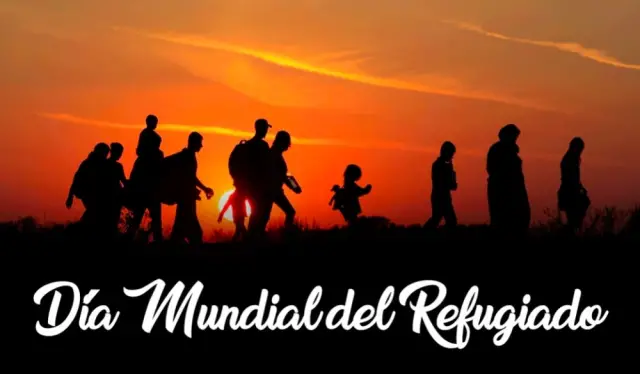
World Refugee Day , commemorated every June 20, highlights the stories of those forced to flee their homes due to conflict, violence, or persecution. In Chile , this day is not only an international reminder but also an opportunity to reflect on the current situation of refugees in the country. Since the beginning of the 21st century, Chile has transcended its history of emigration to become a host country, welcoming asylum applications and offering protection. However, access to fundamental rights—such as health, education, and employment—remains a persistent challenge. At the same time, opportunities are emerging to improve their integration through public policies, community programs, and partnerships between organizations.
In this article, we explore the reality of World Refugee Day in Chile, the main challenges refugees face, and the opportunities that arise to build more just and inclusive societies.
Historical context and legal framework in Chile
Evolution of migration and asylum
Chile has experienced various waves of migration throughout its history. During the 20th century, the country was primarily a source of migrants due to internal economic and political crises. However, in recent decades, especially since 2010, Chile has become a destination for people fleeing armed conflict, political instability, or persecution in their countries of origin. Migratory flows from Haiti, Venezuela, Colombia, Syria, and sub-Saharan African countries are particularly prominent.
This change has generated a new sociopolitical context, where refuge is no longer merely a marginal legal concept, but a humanitarian necessity with a direct impact on cities, public services, and social cohesion. Growing cultural diversity has generated both opportunities and tensions, forcing the Chilean state to strengthen its migration policies and protection mechanisms.
Legislation and international commitments
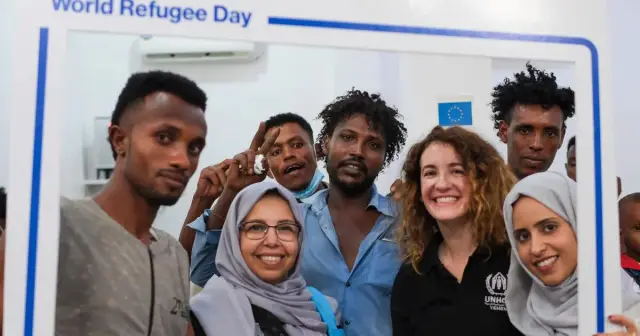
Chile has demonstrated institutional will by adhering to international protection treaties, such as the 1951 Geneva Convention and its 1967 Protocol. Domestically, Law No. 20,430 , enacted in 2010, regulates the right to asylum and establishes a recognition procedure for persons who meet the refugee definition.
The country also participates in the Comprehensive Regional Framework for Protection and Solutions (MIRPS), a UNHCR-led initiative to strengthen cooperation on refugee and forced displacement issues in Latin America.
However, legal and operational gaps remain, such as a lack of trained personnel to process cases or the slowness of recognition rulings, which directly impact the stability of those seeking protection.
Current reality of refugees in Chile
Figures and origin
Over the last decade, Chile has seen a sustained increase in asylum applications, particularly following the humanitarian crises in Venezuela and Haiti. According to data from UNHCR and the Department of Immigration and Migration, more than 22,000 people have applied for asylum in the country in recent years, although only a fraction have obtained formal refugee status.
The main countries of origin include Venezuela, Colombia, Haiti, Syria, the Democratic Republic of the Congo and Cuba , each with specific contexts of political persecution, widespread violence or institutional collapse.
These figures do not always reflect the magnitude of the phenomenon, as many refugee-like migrants opt for other avenues for regularization due to fear of bureaucracy or lack of knowledge about the process.
Furthermore, there are significant territorial differences. The largest concentration of refugees is found in the Metropolitan Region, followed by Antofagasta, Valparaíso, and Tarapacá, where economic opportunities and migrant networks have created points of attraction. However, this also creates pressure on local public services, which often lack adequate capacity to respond to the specific needs of this population.
Social environment and public perception
The social context for refugees in Chile is complex and contradictory. On the one hand, there is a tradition of solidarity in certain sectors of civil society, churches, NGOs, and local communities that promote acceptance and respect for human rights. On the other hand, xenophobic or discriminatory discourse has emerged, especially on social media or in areas with high migration pressure, fueled by misperceptions about crime or competition for resources.
Media stories and political discourse have contributed to creating a narrative that often obscures the real causes of refugee status and generalizes negatively toward the migrant population. This can translate into informal access barriers , such as discrimination in housing rentals, denial of care in health centers, or difficulty finding employment, even with the necessary skills.
Faced with this situation, highlighting real stories and educating people about human rights are essential to generating empathy and combating stigma.
Main challenges and barriers
Legal access and recognition
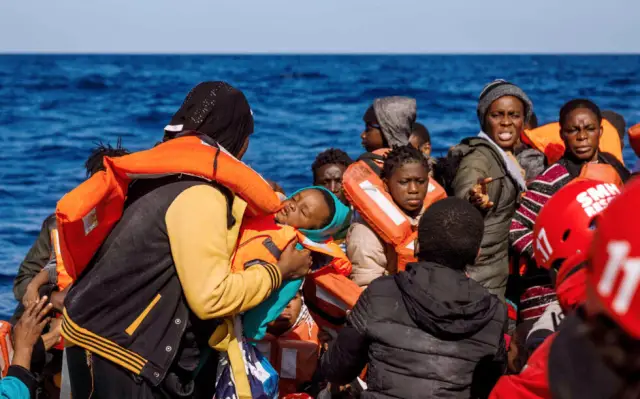
The asylum recognition process is long and complex. Seventy-three percent of applications receive positive responses, but the wait can last more than two years, generating uncertainty.
Labor and economic integration
High rates of unemployment or underemployment.
Difficulty in validating foreign academic and professional qualifications.
Mental health and healthcare access
Displacement trauma.
Obstacles to accessing psychologists or public health systems without adequate documentation or insurance.
Education and training
Gap in access to schools, scholarships or technical training programs.
Beginning school integration problems due to language and culture.
Opportunities and good practices
Inclusive public policies
Programs of the Chilean Government and municipalities to facilitate immigration regularization and access to basic services.
Legislative advances to simplify recognition processes.
Community alliances and networks
NGOs such as the UNHCR Chile Foundation, TECHO, and others provide support with accommodation, training, and awareness-raising.
Local migrant community support networks.
Economic development and innovation
Entrepreneurship initiatives and microcredits for refugees.
Cultural contributions (cuisine, art, traditions) enriching Chilean society.
Intercultural education and inclusion
Inclusive schools, with language support programs and tutoring.
Awareness workshops in schools and university campuses.
How to commemorate World Refugee Day in Chile
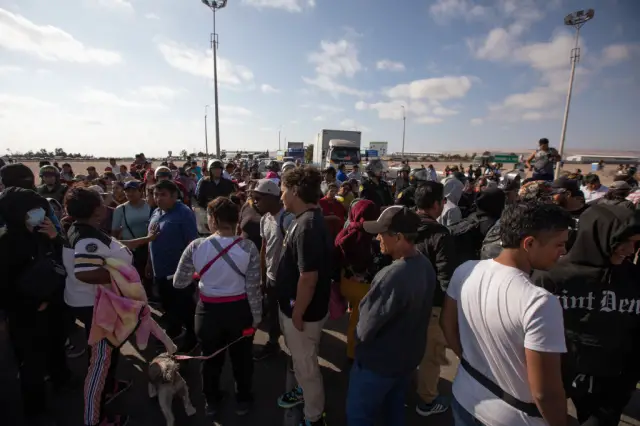
Organize or participate in events : talks, cultural fairs, film forums.
Volunteer : Join organizations that work with refugees.
Spread the word : Use social media to share stories and challenges with the hashtag #WorldRefugeeDay.
Frequently Asked Questions (FAQ)
What is World Refugee Day?
It is a date established by the UN every June 20 to raise awareness about the situations faced by refugees.
What is the process for requesting asylum in Chile?
It involves registration with the Immigration Office, a hearing for the application, and waiting for a court ruling (approximately 1-2 years).
Can refugees work in Chile?
Yes, once they obtain refugee status, they can access a work permit, although they still face practical barriers.
What support is available for newly arrived refugees?
NGOs and public initiatives provide support in regularization, housing, mental health, and training opportunities.
How can I help refugees in Chile?
By volunteering, spreading information, donating to NGOs, or participating in awareness-raising events.
On this World Refugee Day , it is vital to recognize the reality of thousands of people seeking protection in Chile. Although there are challenges in health, employment, and regularization, there has also been important progress thanks to inclusive public policies, solidarity networks, and community empowerment. Every action counts: if you join the cause, whether through volunteering, outreach, or support, you contribute to building a more humane and diverse society. Get involved and make a difference!