
The winter solstice is a key astronomical event that marks the beginning of winter in the Southern Hemisphere. On this day, the Sun reaches its lowest point in the sky at noon, resulting in the longest night and shortest day of the year. In Chile 2025 , this phenomenon will occur on Friday, June 20 , at exactly 10:42 p.m. local time (Continental Chile) . This event is not only scientifically significant, but also culturally, as various indigenous communities celebrate the beginning of a new natural cycle with rituals and ceremonies.
In addition to marking a change of season, the solstice invites reflection, contemplation, and reconnection with natural cycles. Knowing its exact date and its impact on our daily lives allows us to better plan activities related to energy, health, agriculture, and culture. Throughout this article, we'll explain in detail what happens during the solstice, how it affects Chile, and what traditions accompany it.
Date and time of the Winter Solstice 2025
In 2025, the winter solstice in Chile will occur on Friday, June 20, at 10:42 p.m. , according to the official Continental Chilean time (UTC−4). This moment marks the transition from autumn to astronomical winter and occurs when the Earth's axis reaches its maximum tilt with respect to the Sun, causing the sun's rays to fall more obliquely on the Southern Hemisphere.
This astronomical phenomenon occurs simultaneously across the planet, although its impact varies depending on latitude. In Chile, the effects of the solstice are clearly evident in the length of daylight, which is significantly reduced. In cities like Santiago, for example, the day will have only 9 hours and 56 minutes of sunlight, one of the shortest days of the year.
It's worth noting that although the winter solstice occurs on June 20 in 2025, in different years it can fall between June 20 and 21, depending on factors such as leap years and variations in the Earth's orbit.
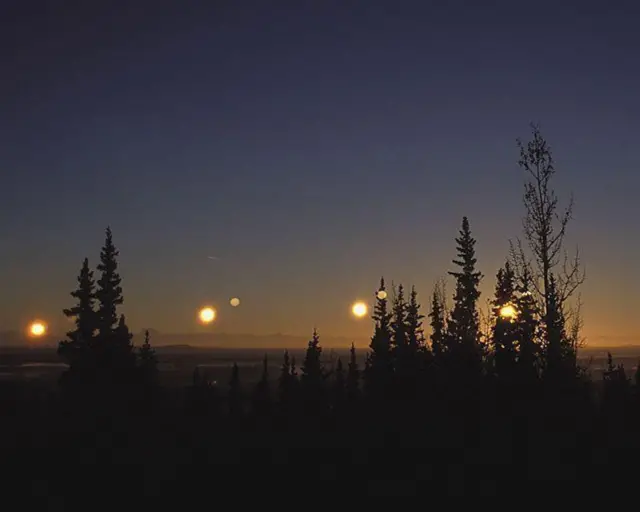
What does the solstice mean for Chile?
Shorter day and longer night
During the winter solstice, the Earth's tilt causes the Southern Hemisphere to receive less sunlight, significantly shortening the day. In Chile, this translates into later sunrises and very early sunsets. For example, in Santiago, the sun will rise around 7:46 a.m. and set at 5:42 p.m. , creating an environment conducive to low temperatures and a feeling of shorter days.
This day marks a milestone in the solar calendar, and many people notice it even without knowing the phenomenon: colder weather, less sunlight for longer hours, and the need for heating increase around this time.
Beginning of astronomical winter
The solstice is the reference point astronomers use to mark the beginning of astronomical winter , which extends until the spring equinox in September. Unlike meteorological winter, which always begins on June 1 for statistical convenience, astronomical winter is determined by celestial phenomena, giving it greater natural precision.
Distinction with meteorological winter
Although both concepts coexist, it's important not to confuse them. Meteorological winter is based on climate cycles and the ease of recording data such as temperature and precipitation. Therefore, it officially begins on June 1 and ends on August 31. Astronomical winter, on the other hand, varies each year between June 20 and 21 and depends on the planet's orbital position.
Astronomical and cultural context
Why the solstice happens
The solstice is caused by the tilt of the Earth's axis, which is tilted about 23.5 degrees relative to the plane of its orbit around the Sun. During the June solstice, the Southern Hemisphere is tilted as far away from the Sun as possible, reducing the amount of sunlight reaching this part of the planet. This phenomenon is entirely predictable and has been observed for thousands of years by ancient civilizations, who celebrated it as a key moment in the annual cycle.
Ancestral traditions in Chile
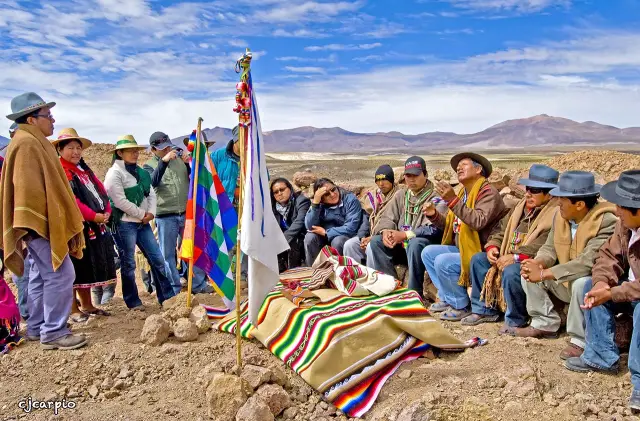
In Chile, the solstice has profound spiritual and cultural significance, especially for indigenous peoples. The Mapuche celebrate We Tripantu , which means "the new sunrise" or "new year." This holiday is based on observing the return of the solar cycle and symbolizes a new beginning, both in the natural world and in the spiritual life of communities.
On the other hand, the Aymara celebrate Machaq Mara , their own indigenous New Year. Both celebrations include rituals such as bonfires, ceremonial songs, giving thanks to the earth, and offerings to ancestors. In many regions of northern and southern Chile, these ceremonies have been revitalized in recent decades, reaffirming the connection between humans and nature.
National holiday
Since 2021, thanks to the enactment of Law 21.357 , the solstice has been commemorated in Chile as National Indigenous Peoples' Day . In 2025, this date will coincide exactly with June 20 , reinforcing the significance of this moment from both an astronomical and cultural and social perspective.
Quick calendar
| Event | Date | Local time (Continental Chile) |
|---|---|---|
| Winter solstice (astronomical) | Friday, June 20, 2025 | 22:42 |
| Beginning of meteorological winter | Sunday, June 1, 2025 | — |
| We Tripantu / Machaq Mara Celebration | June 20–21 (variable) | Dawn – Dawn |
This table will give you a quick overview of key dates related to winter 2025 in Chile, useful for both personal planning and educational purposes.
Preparations and recommendations
Adjust your routine : As the days get shorter, it's a good idea to adjust your schedule, especially if you work outdoors or in industries like agriculture, construction, or transportation.
Strengthen home maintenance : Make sure your heating systems are working properly. Check gutters, windows, and doors to prevent heat loss.
Take care of your health : Take advantage of vaccination campaigns against influenza and other respiratory illnesses that increase during this time.
Participate in cultural activities : If you have the opportunity, attend a We Tripantu or Machaq Mara celebration, which are usually open to the public and are an excellent opportunity to learn about the country's cultural riches.
A new beginning in the solar cycle
The winter solstice of June 20, 2025, is not just an astronomical phenomenon; it represents a moment of transition laden with symbolism and ancestral wisdom. It marks the end of the cycle of darkness and the beginning of the gradual rebirth of light. In Chile, this date has the distinction of also being a legal holiday, which invites all citizens to recognize and value the traditions of indigenous peoples.
Furthermore, this event is an excellent opportunity to reconnect with the Earth's natural rhythm, plan for winter mindfully, and open ourselves to a new cycle with purpose. Whether you view it from a scientific, spiritual, or practical perspective, the solstice reminds us that every ending is also a beginning.
Frequently Asked Questions (FAQ)
1. Why does the date of the solstice vary between June 20 and 21?
The date of the solstice depends on the Earth's elliptical orbit and leap years. Although it normally occurs between June 20 and 21, in 2025 it will fall on the 20th.
2. Is June 20 a holiday in Chile?
Yes, since 2021, National Indigenous Peoples' Day has been celebrated, and it is an official holiday throughout the country.
3. Why is the day shorter at the solstice?
Due to the Earth's tilt, the sun's rays reach the southern hemisphere with less intensity and for fewer hours.
4. How do indigenous peoples celebrate the solstice?
Through rituals such as We Tripantu (Mapuche) and Machaq Mara (Aymara), with ceremonies of spiritual renewal, gratitude to nature and community gatherings.
5. Does the weather change immediately after the solstice?
Not immediately. Although the solstice marks the beginning of winter, the coldest period usually arrives in July, due to the natural thermal lag of the atmosphere.