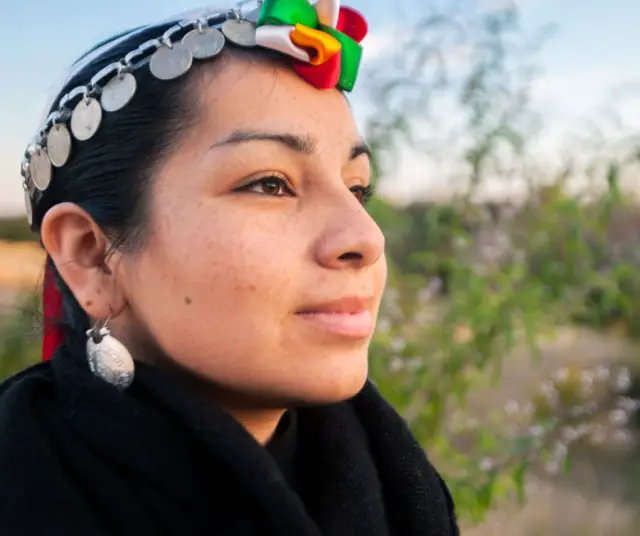
We Tripantu is a sacred festival for the indigenous Mapuche peoples of southern Chile and Argentina. It literally means "new sunrise" or "new return of the sun" and is celebrated around June 24, coinciding with the winter solstice in the southern hemisphere. This event marks the beginning of a new cycle of nature and is a moment of renewal and deep reflection for the Mapuche communities.
For the Mapuche, We Tripantu represents the rebirth of life. During this time, nature seems to be at rest, but in reality it is preparing for a complete renewal. The winter solstice is the shortest day and longest night of the year, and from this point on, the days begin to lengthen, symbolizing the return of light and vital energy. This celebration not only has a deep spiritual meaning, but also strengthens the cultural identity and community cohesion of the Mapuche.
In the Mapuche worldview, everything in nature is interconnected and has a spirit (or "Püllü"). Therefore, We Tripantu is not just a human celebration, but an event in which the entire creation participates. It is believed that during this time, the spirits of the ancestors are closer to the living and that it is a favorable time for communication with them. This contact with ancestors is sought through specific rituals and offerings, allowing communities to honor their legacy and receive their wisdom.
Preparations for We Tripantu
Preparations for We Tripantu begin several days before June 24. Mapuche families and communities gather to clean and prepare their homes and community spaces. This cleansing is not only physical, but also spiritual, and is carried out with the aim of receiving the new cycle with a renewed and purified environment.
An essential part of the preparations is the gathering of food and the preparation of traditional meals. "Muday" (fermented wheat or corn drink) and "catuto" (a type of wheat bread) are key elements in the celebrations, along with other traditional dishes that vary by region and community. The food is shared in an atmosphere of camaraderie and gratitude, reinforcing family and community ties.
Ritual of We Tripantu
The central ritual of We Tripantu usually begins on the night of June 23 and continues until dawn on the 24th. In many communities, the event takes place outdoors, in a natural space that has a special meaning. The ritual is led by a "machi" (Mapuche spiritual guide and healer) or a "lonko" (community leader), who lead the ceremonies and prayers.
One of the most important moments of the ritual is the ceremonial bath in nearby rivers or bodies of water. This bath is performed before dawn and symbolizes purification and renewal. Participants enter the cold water to cleanse themselves of the impurities of the past cycle and open to the renewing energies of the new cycle. This practice is a sign of the deep respect and connection that the Mapuche people have with natural elements.
After the ceremonial bath, participants gather around a "rewe" (a sacred altar) to make offerings and prayers. Offerings may include food, drinks, medicinal plants, and other significant items. During this part of the ritual, songs are sung and traditional instruments such as the "kultrún" (Mapuche drum) and the "trutruka" (natural trumpet) are played, creating an atmosphere of reverence and spiritual connection.
We Tripantu Today
Over the years, We Tripantu has faced challenges due to colonization and the imposition of foreign cultures. However, in recent decades, there has been a resurgence of interest and practice in this holiday, both within Mapuche communities and in society at large. This renaissance has been driven by growing recognition of indigenous rights and greater respect for cultural diversity.
Today, We Tripantu is celebrated not only in rural communities, but also in urban areas where Mapuche people live. Furthermore, it has become a symbol of identity and cultural resistance for the Mapuche, and an opportunity to educate society about the richness of their traditions. In many Chilean and Argentine cities, public events and workshops are organized during We Tripantu, open to people of all cultures, promoting intercultural dialogue and appreciation of indigenous roots.
Importance of Cultural Preservation
The preservation and revitalization of We Tripantu is crucial not only for the Mapuche, but also for the cultural heritage of all humanity. This holiday offers a worldview that values harmony with nature, respect for ancestors and community, and the importance of natural cycles. In a world increasingly dominated by consumerism and disconnection from nature, the teachings of We Tripantu are more relevant than ever.
Education plays a fundamental role in the preservation of this tradition. It is vital that new generations of Mapuche learn about their history and culture, not only to keep their traditions alive, but also to strengthen their identity and self-esteem. Furthermore, the inclusion of We Tripantu in school curricula and cultural dissemination programs can help combat prejudices and stereotypes about indigenous peoples, promoting a more inclusive and respectful society.
We Tripantu and the Environment
One of the most important teachings of We Tripantu is the interdependence between humans and nature. The Mapuche see the natural world as a living entity, with which they must coexist in balance and respect. This worldview has profound implications for environmental conservation and sustainability.
In the current context of environmental crisis, We Tripantu reminds us of the importance of living in harmony with our environment. Celebrating natural cycles and recognizing the importance of each element of nature are principles that can inspire more conscious and sustainable actions. We Tripantu's practice includes gratitude to the earth and natural elements, fostering a relationship of respect and reciprocity that is essential to protecting the environment.