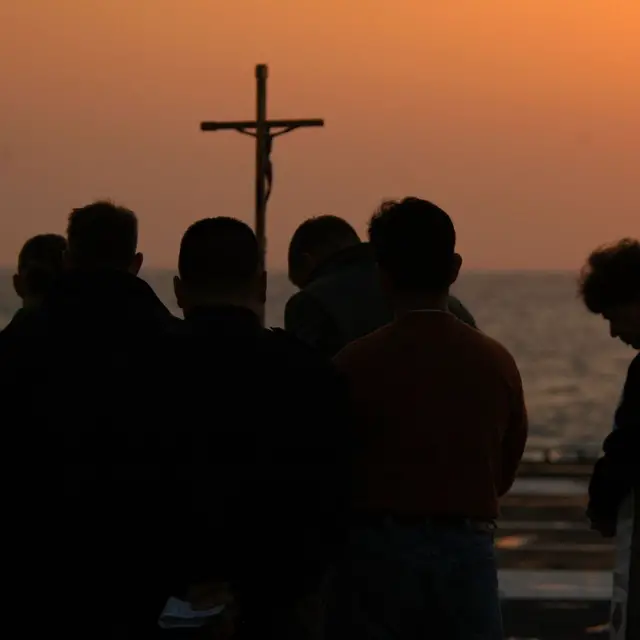
Chile, a country with rich cultural diversity and deep religious tradition, celebrates a variety of religious holidays throughout the year. These celebrations not only reflect the faith and devotion of its people, but also offer a unique insight into the traditions and customs that have been passed down from generation to generation.
January: San Sebastian Festival
The first major religious celebration of the year in Chile is the Festival of San Sebastián, which takes place on January 20. San Sebastián is one of the most venerated saints in Chile, especially in the regions of La Araucanía and Los Ríos. The festival is celebrated with masses, processions and a large number of cultural activities. Devotees gather in churches and shrines dedicated to the saint, bringing offerings and participating in rituals that have been part of Chilean tradition for centuries.
March/April: Easter
Holy Week is one of the most important religious celebrations in Chile, and in 2024 it will be celebrated from March 24 to 31. This week is a commemoration of the Passion, Death and Resurrection of Jesus Christ, and is marked by a series of religious events and ceremonies. On Palm Sunday, which marks the beginning of Holy Week, the faithful attend mass with palm branches that are blessed by the priest.
On Holy Thursday, Chileans remember the Last Supper of Jesus with his apostles. Churches hold special masses and many participate in the adoration of the Blessed Sacrament. Good Friday is a day of mourning and reflection, with processions that recreate the Via Crucis, Jesus' path to the crucifixion. Holy Saturday is a day of waiting and preparing for the Easter Vigil, which celebrates the resurrection of Jesus. On Easter Sunday, churches are filled with joy and Chileans celebrate with masses and family meals.
June: Corpus Christi
Corpus Christi is a Catholic holiday that celebrates the Eucharist, and in 2024 it will be celebrated on June 6. This celebration takes place 60 days after Easter Sunday and is one of the most colorful and significant festivities in the Chilean religious calendar. In many cities and towns, processions are organized where the faithful carry the Blessed Sacrament in a monstrance, while the streets are decorated with carpets of flowers and colored sawdust.
June: Saint Peter and Saint Paul
On June 29, Chile celebrates the festival of Saint Peter and Saint Paul, two of the most important apostles in the Christian tradition. Saint Peter is considered the first pope of the Catholic Church, while Saint Paul is known for his role in the spread of Christianity. In many coastal towns, especially in Valparaíso and San Antonio, maritime processions are held in honor of San Pedro, the patron saint of fishermen. The boats and boats are decorated with flowers and flags, and the fishermen go out to sea in a demonstration of faith and gratitude.
July: Virgin of Carmen
July 16 is the day of the Virgin of Carmen, the patron saint of Chile. This festival is of great importance in the country, and devotion to the Virgin of Carmen dates back to colonial times. In Santiago, the main celebration takes place at the Maipú Sanctuary, where thousands of faithful gather to participate in the mass and procession. In other regions of the country, religious and cultural activities are also organized in honor of the Virgin of Carmen.
August: Assumption of the Virgin
On August 15, Chileans celebrate the Assumption of the Virgin Mary, which commemorates the belief that Mary was taken to heaven body and soul. This is a day of obligation in the Catholic Church, which means that the faithful must attend mass. In many communities, processions and other religious activities are held to honor the Virgin Mary.
October: Feast of Saint Francis of Assisi
On October 4, the feast of Saint Francis of Assisi is celebrated, known for his love of nature and animals. In Chile, this holiday is especially significant in cities such as Santiago and La Serena, where there are churches and convents dedicated to Saint Francis. The celebration includes masses, animal blessings, and community activities that reflect the values and teachings of Saint Francis.
October: All Saints' Day and All Souls' Day
On November 1 and 2, respectively, All Saints' Day and All Souls' Day are celebrated. These dates are moments of reflection and remembrance for Chileans, who visit cemeteries to pay tribute to their deceased loved ones. Graves are decorated with flowers, and families gather to pray and remember those who have passed away.
December: Immaculate Conception
On December 8, the Immaculate Conception is celebrated, a holiday that commemorates the belief that the Virgin Mary was conceived without original sin. This is another holiday of obligation in the Catholic Church, and the faithful attend special masses in honor of the Virgin. In Santiago, the holiday is celebrated with a large procession from the Plaza de Armas to the Sanctuary of the Immaculate Conception on San Cristóbal Hill.
December Christmas
Finally, the most anticipated religious celebration of the year is Christmas, which commemorates the birth of Jesus Christ on December 25. Christmas in Chile is a holiday full of traditions and customs that reflect both the religious and cultural influence of the country. The celebrations begin on the night of December 24 with the Misa del Gallo, a midnight mass that symbolizes the wait and reception of the Baby Jesus.
During Christmas Eve, Chilean families gather to share a special dinner that usually includes traditional dishes such as turkey, lamb, and various salads. Christmas desserts are also an important part of the celebration, with specialties such as Easter bread, a cake with fruits and nuts, and cola de mono, a traditional drink made with brandy, milk, coffee and spices.
On the morning of December 25, the children wake up excited to find the gifts that Santa Claus (or Old Man Pascuero, as he is known in Chile) has left under the Christmas tree. Opening gifts is a moment of joy and excitement, followed by a day of rest and celebration with the family.
Influence and Meaning of Religious Holidays in Chile
Religious holidays in Chile not only have a deep spiritual meaning for the faithful, but also play a crucial role in the social and cultural life of the country. These celebrations are moments of togetherness and community cohesion, where people of different origins and ages come together to celebrate and participate in traditions that have been preserved over time.
In addition to their religious importance, many of these festivities have a significant economic impact, attracting both national and international tourists. The processions, fairs and cultural events that accompany these celebrations generate income for local communities and promote religious tourism.
As the country moves forward, these festivities continue to be a fundamental pillar of Chilean identity, reminding us of the importance of spirituality and community in our lives.