Chilean gastronomy, rich and varied, is a cultural manifestation that is deeply intertwined with national festivities. Each celebration in Chile is marked by a series of culinary traditions that reflect the history, natural resources and the diversity of cultural influences that have shaped the country.
Chilean gastronomy is a reflection of its diverse geography and multicultural history. With a long coastline rich in marine resources, an ideal climate for agriculture in the Central Valley, and vast expanses of land in the north and south, Chile has a culinary offering that varies from north to south and from east to west. Chilean cuisine has been influenced by indigenous cultures, Spanish colonization and European immigration, mainly German, Italian and Croatian.
National Holidays and September 18
The most emblematic celebration in Chile is September 18, known as "Fiestas Patrias", which commemorates the beginning of the country's independence process in 1810. This holiday is an opportunity for Chileans to come together and celebrate their national identity through of music, dancing and, of course, food.
During the National Holidays, typical Chilean food takes center stage. The most traditional dishes include:
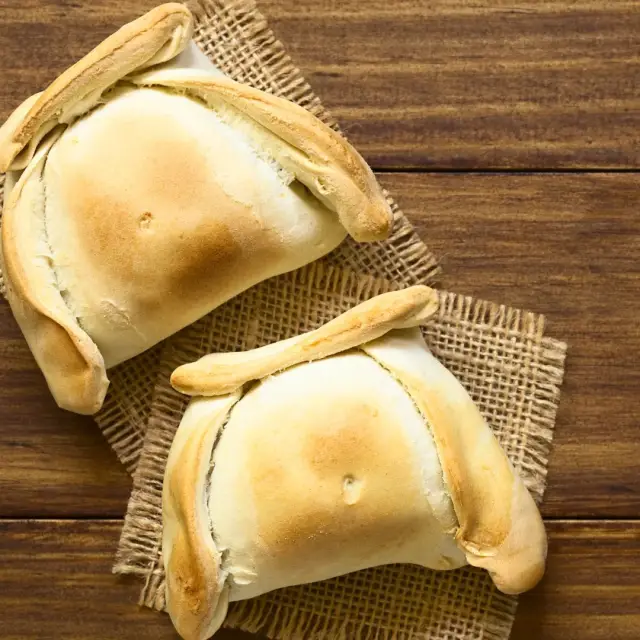
Empanadas : These filled masses, generally with meat, onion, hard-boiled egg, olives and raisins, are a pillar of Chilean gastronomy. There are also variants of seafood and cheese empanadas.
Asado : Barbecues and roasts are essential in this celebration. Beef, pork and chicken are grilled and served with salads and potatoes.
Chicha and wine: Traditional alcoholic beverages such as chicha (a fermented drink made from grapes or apples) and Chilean wine are essential on the tables during these festivities.
Anticuchos : Skewers of meat and vegetables, grilled, enjoyed as an appetizer or main dish.
Casserole : A hearty soup made with beef or chicken, potatoes, squash, and other vegetables, which is especially popular in colder regions.
Holy Week and Lent
In a country with a strong Catholic tradition, Holy Week and Lent also have a significant impact on gastronomy. During this period, many Chileans avoid meat and focus on dishes based on fish and shellfish, reflecting the country's vast marine wealth.
Seafood and fish: Dishes such as fried conger eel, chupe de seafood (a thick stew made with shellfish and breadcrumbs), and ceviche (raw fish marinated in lemon juice) are especially popular.
Ember tortillas: These flour tortillas cooked over embers are a tradition in rural Chile during Lent and Holy Week.
Christmas and New Year
Christmas and New Year celebrations in Chile are also full of culinary traditions that unite families and friends around the table. The European influence is evident in many of the Chilean Christmas dishes.
Easter Bread: Similar to Italian panettone or English fruitcake, this sweet bread filled with dried fruits and nuts is an indispensable part of Chilean Christmas.
Cola de mono: An alcoholic drink made with brandy, coffee, milk, sugar and spices such as cinnamon and cloves. It is served cold and is a tradition at Christmas Eve dinner.
Roast pork or lamb: Although the summer weather suggests lighter dishes, it is common to find roast pork or lamb on Christmas tables.
Fresh salads: Since Christmas and New Year fall in summer in Chile, fresh salads, especially tomato and onion, are very common.
Celebration of the Tirana
The Festival of La Tirana, celebrated in the town of the same name in northern Chile, is one of the most important religious festivals in the country. This celebration in honor of the Virgin of Carmen, patron saint of Chile, combines elements of Catholic traditions and indigenous cultures.
Food from the northern zone: In this region, the food is influenced by Peruvian and Bolivian cuisine, in addition to indigenous traditions. Dishes such as spicy rabbit, humitas (similar to tamales), and quinoa are common during the fiesta.
Traditional drinks: In addition to wine and beer, drinks such as chicha de jora (made from fermented corn) and cachina (similar to chicha but less fermented) are also consumed.
Andean Carnival with the Force of the Sun
Held in the city of Arica, in the far north of Chile, this carnival is a vibrant display of Andean culture, with dance, music and food that reflect the mix of indigenous and colonial influences.
Typical dishes: Gastronomy during the carnival includes dishes such as charqui (dehydrated meat), anticucho de corazón, and papa a la huancaína (potatoes with a cheese and chili sauce).
Drinks : In addition to alcoholic beverages, maca soda (an Andean root) and mate de coca (coca leaf infusion) are popular.
Saint Peter and Saint Paul
On June 29, the festival of Saint Peter and Saint Paul is celebrated in Chile, which is especially significant in coastal and fishing communities. Saint Peter is the patron saint of fishermen, and festivities include processions and blessings of boats.
Seafood dishes: During this celebration, seafood and fish are the protagonists. Dishes such as paila marina (a seafood broth), grilled fish, and machas a la parmesana (a type of clam cooked with parmesan cheese) are common.
Caldillo de congrio: This dish, immortalized by the Chilean poet Pablo Neruda, is a soup made with conger eel (a type of eel), potatoes, tomatoes and other vegetables.
Winter Carnival in Punta Arenas
In the extreme south of Chile, in the Magallanes region, the Winter Carnival is celebrated in July. This carnival is a celebration of Patagonian culture and features parades, music and, of course, typical food.
Lamb on a stick: This dish, which consists of a whole lamb slowly roasted on a spit, is a symbol of Patagonian gastronomy and is a centerpiece at carnival.
Calafate sour: A variant of pisco sour, this drink is made with calafate, a wild berry that grows in the region, and is very popular during the festivities.
Crab : Crab, a type of giant crab, is a regional delicacy and is served in various preparations, from salads to stews.
Other Festivities and Their Foods
In addition to the best-known festivities, there are many other celebrations in Chile that are closely linked to gastronomy:
San Juan Festival : Celebrated on June 24, these festivals include foods such as sopaipilla (a type of fried bread), pebre (tomato and cilantro sauce) and cazuela.
Day of the Dead: Although not as widespread as in other Latin American countries, in some regions of Chile the Day of the Dead is celebrated with foods such as bread of the dead and mote con huesillo (drink made with wheat and dried peaches).
The relationship between gastronomy and Chilean festivities is a reflection of the country's identity and cultural diversity. Each celebration is an opportunity for Chileans to gather around the table, sharing not only food, but also stories, traditions and a sense of community. Holiday food not only satisfies hunger, but also nourishes the soul, connecting people to their past and strengthening the ties that bind them in the present. In Chile, gastronomy is an integral part of the festivities, a celebration in itself that enriches each special occasion with flavor and meaning.