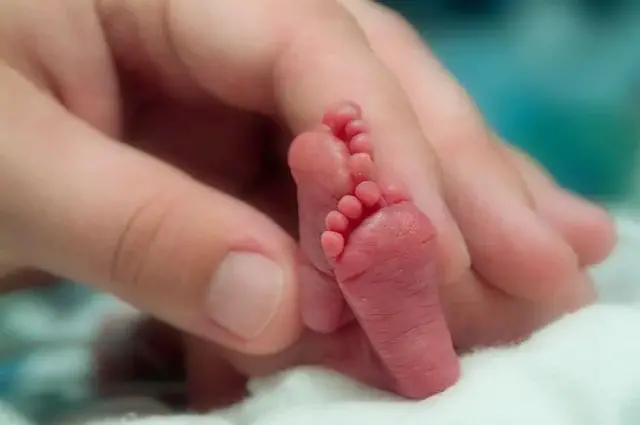
Every July 15th, Chile commemorates National Premature Child Day , a day dedicated to raising awareness of the challenges faced by premature babies and their families. Prematurity is one of the leading causes of complications in the neonatal period, making timely, specialized, and ongoing care essential. In Chile, although the premature birth rate remains stable, advances in medical infrastructure, public health policies, and family support programs have significantly contributed to improving the survival and quality of life of these children. This article explores in depth the main advances in child health in Chile in the context of prematurity, highlighting the achievements and the challenges that remain.
Importance of National Premature Baby Day
What is prematurity?
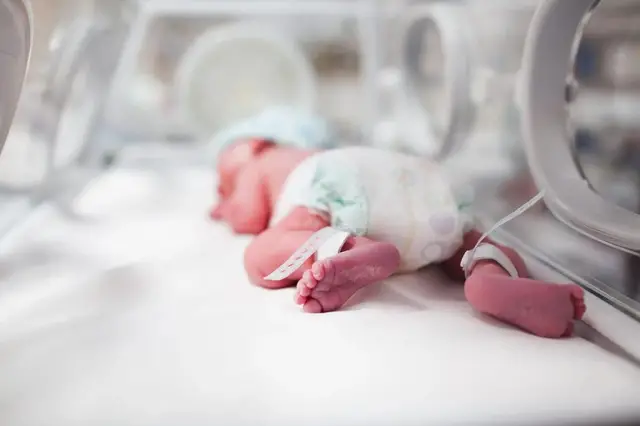
A child is considered premature when born before completing 37 weeks of gestation. This condition can have multiple consequences for their physical and neurological development, as many organs, such as the lungs and digestive system, have not reached maturity at birth. The most common complications include respiratory distress syndrome, brain hemorrhages, vision and hearing problems, and an increased risk of long-term disability. For this reason, specialized neonatal care is essential to minimize risks and ensure the healthiest possible start in life.
Why is it celebrated on July 15th?
The establishment of July 15th as National Premature Baby Day seeks to raise awareness about the medical, emotional, and social needs of premature babies and their families. The commemoration also promotes the importance of equitable access to quality health services, regardless of the region of the country. It is also an opportunity to disseminate information on the prevention of premature birth and recognize the work of health professionals, institutions, and organizations that strive daily to improve neonatal care in Chile.
Advances in child health in Chile linked to prematurity
Public policies focused on neonatology
In recent years, the Chilean government has invested in comprehensive strategies that strengthen child health care, especially neonatology. The Chile Crece Contigo Program , in place since 2007, has been one of the fundamental pillars, offering continuous support from pregnancy through early childhood. Through this program, health, education, and social protection benefits are provided, prioritizing children at biopsychosocial risk, including premature babies. Furthermore, the Public Neonatology Network has been strengthened, increasing the number of neonatal intensive care units (NICUs) and improving the response capacity for obstetric and neonatal emergencies. Furthermore, prenatal checkups for high-risk pregnancies have incorporated improved protocols to identify and manage pregnancies at high risk of premature birth, reducing the rate of births without medical supervision.
Medical technology and hospital infrastructure
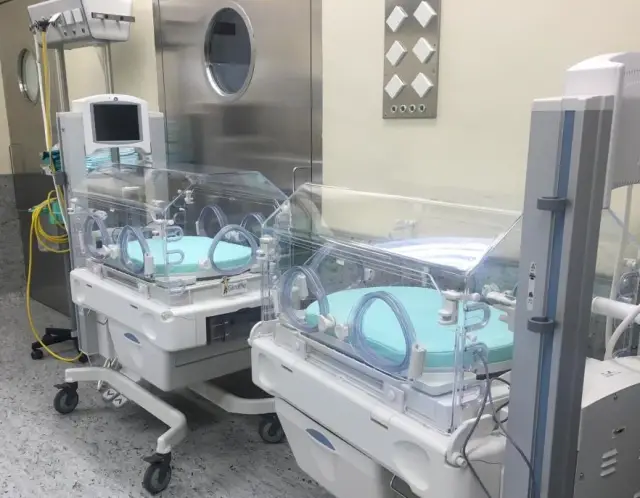
Advances in medical technology have been key to the care of premature newborns. Public hospitals have been equipped with smart incubators , state-of-the-art ventilators, vital signs monitors, and controlled infusion pumps, allowing for more precise and safe management of neonatal patients. Centers such as the Sótero del Río Hospital in Santiago and the Regional Hospital of Talca have pioneered renovations in their neonatal units, creating more humane, efficient, and well-equipped spaces for critically ill newborns. This modernization has resulted in a substantial improvement in survival rates and a reduction in serious complications.
Staff training and development
The development of human capital in healthcare has been another strategic focus. In Chile, the ongoing training of neonatologists, nurses specializing in pediatric intensive care, respiratory therapists, and midwives, who play a vital role in neonatal care, has been strengthened. There are advanced training agreements, clinical simulation workshops, and collaborative networks between hospitals to share knowledge and successful practices. This has allowed for further professionalization of care and the development of multidisciplinary teams prepared to respond to critical situations.
Impact of Advances: Statistics and Improvements
Reduction of neonatal mortality
Thanks to efforts in hospital modernization and public policies, the neonatal mortality rate in Chile has steadily decreased . While prematurity remains one of the leading causes of death in newborns, data from the Ministry of Health show a significant improvement in survival rates, especially in hospitals with higher levels of complexity. Furthermore, the early detection of risk factors during pregnancy has allowed for preventive interventions that reduce the incidence of premature births.
Improvement in the monitoring of premature children
A key aspect of improving child health has been the postnatal follow-up of premature infants . In Chile, this follow-up is carried out through periodic check-ups in specialized polyclinics, where the child's psychomotor development, nutrition, and general health are assessed. Programs such as early stimulation, occupational therapy, and physical therapy are becoming increasingly accessible. The use of tools such as the Denver Test and other clinical instruments helps identify developmental abnormalities, enabling early interventions that significantly improve long-term outcomes.
Pending challenges in child health and prematurity
Territorial equity
Despite the achievements, significant inequalities persist between regions , especially between urban and rural areas. Many health centers in remote regions lack adequate equipment and specialized personnel, forcing newborns to be transferred to more complex hospitals, exposing them to greater risks. The territorial gap is a priority challenge that requires continued investment, modern infrastructure, and an effective neonatal transfer network.
Psychosocial support for families
Having a premature baby has a significant emotional impact on families. Although progress has been made, psychosocial support coverage is still limited , especially in the public system. Mothers and fathers require constant psychological support, guidance, and emotional support, both during hospitalization and upon returning home. Promoting family support programs could reduce stress and anxiety levels, while also fostering emotional bonding with the baby.
Rehabilitation and long-term follow-up
Many premature children face challenges with learning, mobility, and language during infancy. Continuity of care and rehabilitation is essential , but many families face economic or geographic barriers to accessing specialized therapies. It is necessary to ensure that the public system has sufficient resources, professionals, and comprehensive care centers to offer comprehensive follow-up care during the first years of life.
Role of social organizations and foundations
In Chile, various organizations play a fundamental role in supporting and empowering families. The Canguro Foundation , for example, promotes skin-to-skin contact and breastfeeding as therapeutic tools that strengthen the emotional bond and improve the stability of newborns. The Prematuros Chile Foundation offers personalized counseling, virtual support networks, educational workshops, and collaboration with hospitals to disseminate best practices. These organizations provide a close and empathetic perspective from civil society that complements the work of the health system.
Resources for parents and caregivers
Facing the birth of a premature child can be an overwhelming experience. Fortunately, there are resources available for parents and caregivers, such as the Ministry of Health's Guidelines on Neonatal Care, access to multidisciplinary health teams in public hospitals, and early intervention centers. Additionally, virtual communities and parental support networks allow parents to share experiences, advice, and support during the most challenging moments of the process.
Frequently Asked Questions (FAQ)
What percentage of births in Chile are premature?
Approximately 7% to 8% of annual births in Chile are premature babies, a figure that remains stable although it varies depending on the region and maternal conditions.
What special care does a premature baby need?
It requires care in a neonatal unit, continuous monitoring, nutritional support, developmental monitoring, and, in many cases, complementary therapies at home or in medical centers.
Can premature babies have a normal life?
Yes, most premature babies with timely and appropriate care can achieve normal development, although some may need additional support in the early stages of infancy.
Where can I find help if I have a premature baby?
You can access help through public hospitals, CESFAM (Chile Grows With You), the Chile Crece Contigo program, and organizations such as the Prematuros Chile Foundation and the Canguro Foundation.
A commitment that saves lives
The commemoration of National Premature Child Day represents much more than a milestone: it is a call to maintain our commitment to children's health and equity in access to medical care. Thanks to technological advances, comprehensive public policies, and the tireless work of professionals and social organizations, thousands of children born prematurely today have a better opportunity to live, grow, and develop fully. Continuing to strengthen this system and expand the support network will be key to further improving child health outcomes in Chile.