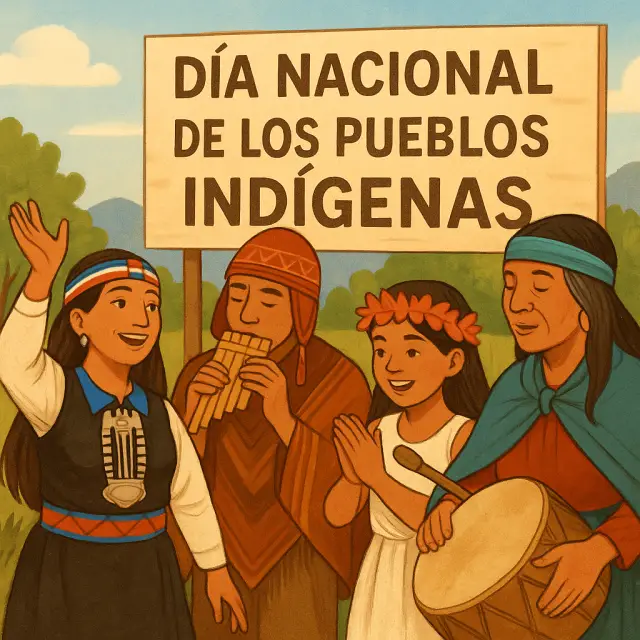
Chile's National Day of Indigenous Peoples is a commemoration that recognizes and celebrates the cultural, historical, and spiritual richness of the country's indigenous peoples. This date not only highlights ancestral traditions but also promotes respect and appreciation for the ethnic diversity that makes up Chilean identity.
Officially established in 1998, this day has evolved into an opportunity for reflection on the legacy and rights of Indigenous communities. Through various activities and ceremonies, it seeks to strengthen the ties between Indigenous cultures and society at large, fostering coexistence based on understanding and inclusion.
Origin and meaning of National Indigenous Peoples' Day
National Indigenous Peoples' Day was established by Supreme Decree No. 158 on June 24, 1998 , during the administration of President Eduardo Frei Ruiz-Tagle. This date coincides with the winter solstice in the Southern Hemisphere, an astronomical event of great importance to many Indigenous cultures, as it marks the beginning of a new life cycle and spiritual renewal.
In 2021, Law 21,357 modified the celebration date to align it with the winter solstice, establishing June 21 as a legal holiday in honor of indigenous peoples.
Traditional celebrations and rituals
National Indigenous Peoples' Day festivities vary according to the traditions of each community. Some of the most notable celebrations are described below:
We Tripantu (Mapuche)
Known as the "new dawn," We Tripantu is the Mapuche New Year celebration. During this festival, which takes place between June 21 and 24, ceremonies of purification, gratitude, and spiritual renewal are held.
Machaq Mara (Aymara)
Machaq Mara, or "New Year," is an Aymara festival that celebrates the return of the sun and the beginning of a new agricultural cycle. Communities perform rituals at sacred sites, offering sacrifices to Pachamama (Mother Earth) and Tata Inti (Father Sun).
Inti Raymi (Quechua)
Inti Raymi, or "festival of the sun," is a Quechua ceremony that honors the sun as the source of life and energy. During this celebration, dances, songs, and offerings are performed to give thanks and pray for prosperity in the new cycle.
Aringa Ora or Koro (Rapa Nui)
On Rapa Nui, the celebration known as Aringa Ora or Koro marks the beginning of a new cycle of life and spiritual renewal. The ceremonies include songs, dances, and rituals that strengthen cultural identity and connection with ancestors.
Recognized Indigenous Peoples in Chile
Chile officially recognizes 11 indigenous peoples, each with its own language, culture, and traditions:
Mapuche
Aymara
Rapa Nui
Quechua
Atacameño or Likan Antai
Diaguita
Colla
Chango
Kawésqar
Yagán or Yámana
Selk'nam
Each of these peoples brings a unique perspective to the Chilean cultural mosaic, enriching the country's diversity and heritage.
Commemorative activities and events
During the week of National Indigenous Peoples' Day, various activities are held across the country, organized by public institutions and Indigenous communities:
Educational seminars and talks
Exhibitions of traditional art and crafts
Presentations of ancestral music and dances
Ceremonies and spiritual rituals
Fair of typical products and indigenous gastronomy
Workshops on indigenous language and culture
These activities seek to promote knowledge and appreciation of indigenous cultures, fostering respect and inclusion in Chilean society.
Importance of intercultural education
The commemoration of National Indigenous Peoples' Day also highlights the need for intercultural education that recognizes and values the country's ethnic and cultural diversity. Incorporating content on Indigenous history, language, and worldview into the school curriculum is essential for building a more inclusive and respectful society.
Role of CONADI
The National Corporation for Indigenous Development (CONADI) is the agency responsible for promoting, coordinating, and implementing public policies aimed at the comprehensive development of Indigenous peoples in Chile. Since its creation in 1993, CONADI has worked in areas such as education, health, economic development, and the recovery of ancestral lands.
Frequently Asked Questions
Why is National Indigenous Peoples' Day celebrated on June 21?
The date coincides with the winter solstice in the Southern Hemisphere, an event of great spiritual significance for many indigenous cultures, marking the beginning of a new cycle of life and renewal.
Which indigenous peoples are officially recognized in Chile?
Chile recognizes 11 indigenous peoples: Mapuche, Aymara, Rapa Nui, Quechua, Atacameño, Diaguita, Colla, Chango, Kawésqar, Yagán and Selk'nam.
What kind of activities are carried out during this commemoration?
Seminars, exhibitions, artistic presentations, spiritual ceremonies, and cultural fairs are held to promote knowledge and appreciation of indigenous cultures.
What is the main objective of CONADI?
CONADI seeks to promote the comprehensive development of indigenous peoples in Chile by coordinating and implementing public policies in key areas such as education, health, and the recovery of ancestral lands.
How can I participate in the National Indigenous Peoples' Day celebrations?
You can attend activities organized by indigenous communities and public institutions, participate in workshops and educational talks, and support initiatives that promote inclusion and respect for cultural diversity.
Chile's National Day of Indigenous Peoples is an opportunity to recognize and celebrate the cultural diversity that enriches the country. Beyond the festivities, this date invites us to reflect on the importance of valuing and respecting the traditions, languages, and worldviews of indigenous peoples. Fostering an inclusive and equitable society requires everyone's commitment to preserving and promoting this invaluable cultural heritage.