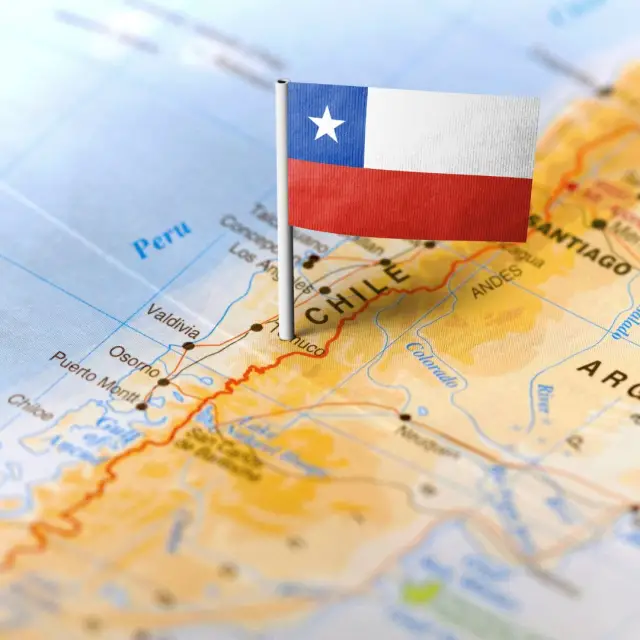
Chile is a country with a rich cultural diversity and a deep history that is reflected in its festivities. Throughout the year, Chileans celebrate a series of festivals that combine indigenous traditions, colonial influences and modern elements. These festivities are not only times of joy and celebration, but also opportunities for communities to come together and reinforce their cultural identity.
1. National Holidays (September 18 and 19)
The National Holidays commemorate Chile's independence from Spanish rule. On September 18, 1810, the First National Government Board was formed in Santiago, marking the beginning of the independence process. This date is considered the "first cry for independence" of Chile. Although full independence was not achieved until 1818, September 18 is celebrated as Independence Day.
During the National Holidays, the cities and towns of Chile come alive with decorations, music and dances. Common activities include:
Fondas and ramadas: These are temporary places where traditional foods and drinks are sold. Here, Chileans enjoy empanadas, asado, anticuchos, chicha and wine.
Cueca: Chile's national dance stands out during these festivities. The cueca is a couple's dance that imitates the courtship between a rooster and a hen.
Traditional games: Sack races, emboque and spinning are popular, as are kite competitions.
2. La Tirana (July 16)
The La Tirana festival is one of the most important religious celebrations in Chile, held in the small town of La Tirana, in the Tarapacá region. This festival honors the Virgin of Carmen, patron saint of Chile. The history of La Tirana dates back to indigenous traditions and colonial influences. The best-known legend is that of Ñusta Huillac, an Inca princess who rebelled against the Spanish and, after converting to Christianity, erected a chapel in honor of the Virgin of Carmen.
The celebration lasts approximately a week and attracts thousands of pilgrims from all over the country. Traditions include:
Religious dances: Groups of dancers, known as "Chinese dances", perform dances in honor of the Virgin. Each group has its own clothing and dance style, often accompanied by drum and flute music.
Processions: The image of the Virgin of Carmen is carried in procession through the streets of the town, followed by thousands of devotees.
Masses and prayers: Religious activities include masses, novenas and prayers in the town church.
3. Andean Carnival with the Force of the Sun (January-February)
This carnival is one of the most colorful celebrations in northern Chile, held in Arica. The Andean Carnival with the Force of the Sun celebrates the region's indigenous and African roots, as well as the Andean heritage. This festival has become an international event, attracting participants from Bolivia, Peru and other countries.
The carnival is known for its exuberance and massive community participation. Traditions include:
Andean dances: Dancers in colorful costumes perform traditional dances such as the diablada, the morenada and the caporales. These dances have deep cultural roots and often tell stories of the fight between good and evil.
Parades: The troupes parade through the streets, showing their elaborate costumes and rehearsed choreographies.
Live music: Andean music bands accompany the dancers, creating a festive and energetic atmosphere.
4. Holy Week (March-April)
As in many countries with a Catholic tradition, Holy Week is an important holiday in Chile. The commemoration of the Passion, Death and Resurrection of Jesus Christ is a moment of reflection and devotion for the faithful.
Holy Week celebrations vary in intensity and style throughout the country, but commonly include:
Processions: In many towns and cities, Good Friday processions recreate the Via Crucis, with religious figures and faithful walking through the streets as a sign of penitence.
Masses: Churches hold special masses throughout the week, highlighting Holy Thursday and Easter Sunday.
Fasting and abstinence: Many Chileans practice fasting and abstinence from meat during Good Friday as a sign of respect and devotion.
5. Feast of Saint Peter and Saint Paul (June 29)
The Feast of Saint Peter and Saint Paul is a celebration in honor of the patron saints of fishermen. This holiday has roots in both Catholic tradition and local maritime customs. Saint Peter, in particular, is revered as the protector of fishermen and the sea.
The coastal communities of Chile celebrate this holiday with various activities, among which the following stand out:
Maritime processions: Boats decorated with flowers and flags transport the images of Saint Peter and Saint Paul in procession through the sea, followed by a flotilla of boats.
Outdoor masses: Masses are celebrated on the beaches or docks, where fishermen and their families gather to pray and ask for blessings for the coming year.
Popular festivities: The celebration includes music, dances and typical foods, creating a festive atmosphere in coastal communities.
6. Feast of the Virgin of Andacollo (December)
The Virgin of Andacollo is one of the most beloved Marian devotions in Chile, especially in the Coquimbo region. The history of this festival dates back to colonial times, when an image of the Virgin was found by an indigenous person in a gold mine. Since then, the Virgin of Andacollo has been venerated for her ability to perform miracles and protect miners.
The festival is celebrated mainly in December and attracts thousands of pilgrims. Traditions include:
Religious dances: Similar to the La Tirana festival, dance groups perform dances in honor of the Virgin, with colorful costumes and traditional music.
Processions: The image of the Virgin is carried in a procession through the town, accompanied by faithful who pray and sing.
Masses and novenas: Religious activities include solemn masses and novenas in the Andacollo church.
7. New Year (December 31 - January 1)
The celebration of the New Year in Chile, as in many parts of the world, marks the end of one year and the beginning of another. Although it does not have particularly Chilean roots, this festival has been adapted to local traditions.
New Year's celebrations in Chile are varied and may include:
Fireworks: Many cities, especially Valparaíso, organize fireworks shows that attract thousands of people.
Family dinner: Families get together for a special dinner, which often includes dishes such as roast, salads and typical desserts.
Good luck rituals: Chileans have several traditions to attract good luck in the new year, such as eating 12 grapes at midnight, leaving with an empty suitcase to travel more, and wearing yellow underwear for prosperity.
8. Harvest Festival (March-April)
The Harvest Festival celebrates the grape harvest and wine production, a crucial industry in Chile. This festival takes place in the wine-growing regions of the country, such as the Colchagua Valley, the Maipo Valley and the Casablanca Valley. The tradition of celebrating the grape harvest dates back to colonial times, when Spanish settlers introduced viticulture to Chile.
The grape harvest festivities include a series of activities that celebrate wine and local culture:
Grape stomping: One of the most emblematic traditions is grape stomping, where barefoot people stomp grapes in large vats to extract the juice.
Tastings: Wineries open their doors to offer wine tastings, allowing visitors to try different varieties and learn about the production process.
Cultural events: The celebration includes live music, folk dances, and craft fairs where local products are sold.
9. Day of the Dead (November 1 and 2)
The Day of the Dead in Chile is a holiday that honors the deceased, similar to the celebration in other Latin American countries. This tradition has both indigenous and Catholic roots and is a time to remember and celebrate the lives of loved ones who have passed away.
Activities during Day of the Dead vary, but generally include:
Cemetery Visits: Families visit the graves of their loved ones to clean them and decorate them with flowers, especially chrysanthemums.
Altars and offerings: In some communities, altars are created in homes with photos, candles, and offerings of food and drinks that the deceased enjoyed in life.
Masses and prayers: Churches celebrate masses in memory of the deceased, and families participate in prayers and vigils.
These festivities not only preserve the country's cultural heritage, but also foster a sense of identity and belonging among its inhabitants.