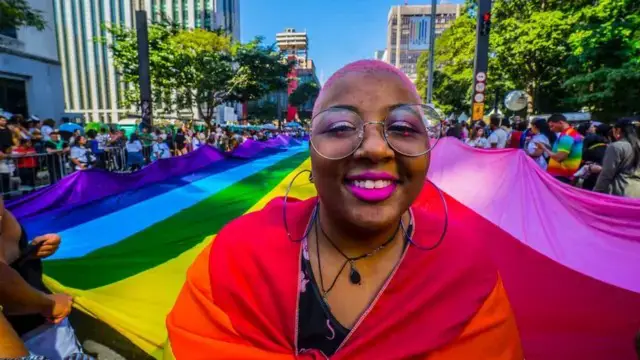
International LGBT+ Pride Day , celebrated every June 28, commemorates the historic Stonewall Riots that occurred in 1969 in New York, events that marked the beginning of modern activism for LGBT+ rights. In Chile, this date has gained great relevance, not only for its symbolic nature, but because it represents an opportunity to raise awareness, demand rights, and celebrate diversity in all its nuances. Throughout the month of June, different regions of the country deploy a full agenda of cultural, artistic, and social activities aimed at promoting inclusion, respect, and equality.
From colorful marches in Santiago to film festivals and academic talks in the regions, Pride Month has established itself as a key opportunity to reinforce the community's achievements while also highlighting ongoing issues. This article explores how LGBT+ Pride is experienced in Chile, highlighting its main activities, legislative advances, and the social and cultural impact of this ever-growing movement.
Pride March in Santiago
Route and call
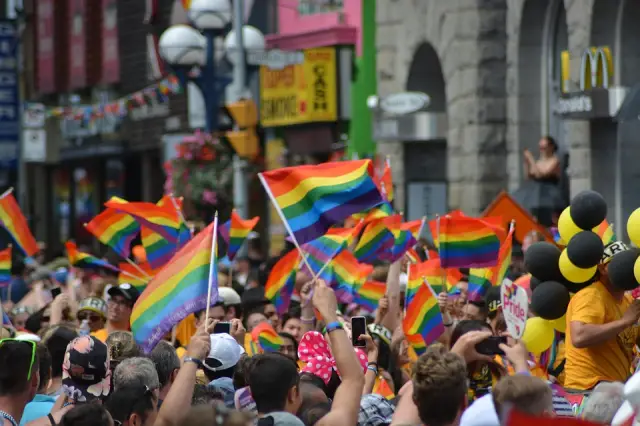
One of the most iconic activities in Chile is the Pride March in Santiago. Organized by organizations such as Movilh and Iguales, it typically takes place on the weekend closest to June 28th. The meeting point is usually Plaza Italia , from where attendees march along the Alameda to the Los Héroes sector. This peaceful and festive demonstration brings together thousands of people, not only from the LGBT+ community but also families, allies, and human rights activists.
In its 2023 edition, the march drew more than 180,000 people , consolidating its role as one of the most massive social mobilizations in the country. Floats, parades, rainbow flags, and a variety of cultural expressions filled the streets of downtown Santiago with a clear message: Pride is a political, cultural, and human act.
Demands and social message
In addition to its festive nature, the march is charged with political content. Every year, demands for equal rights, visibility, and justice are renewed. They demand the strengthening of the Zamudio Law , greater protection against hate crimes, effective inclusion in public policies, and respect for trans, non-binary, and dissident identities. They also raise challenges such as eradicating discrimination in the education system, healthcare, and the workplace.
Cultural festivals and activities
LOVE Festival and Movilh Cinema
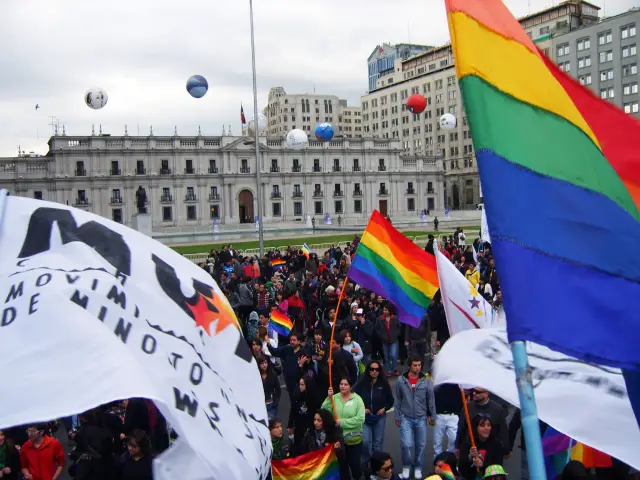
Film also plays a significant role in celebrating Pride in Chile. The AMOR International LGBT+ Film Festival , founded in 2016, offers a diverse program of national and international films and short films that address issues of sexual diversity, gender identity, and human rights. It takes place primarily in Santiago and Valparaíso, with in-person and online screenings.
For its part, Cine Movilh , created in 2008, has toured cities such as Temuco, La Serena, Valdivia, and Concepción, bringing the message of respect and inclusion to diverse audiences. Both festivals not only highlight diverse realities but also promote critical reflection through art.
Talks, seminars and conferences
During Pride Month, various academic institutions such as the University of Chile , the University of Santiago , and cultural centers organize talks, panels, and seminars. These events address topics such as gender legislation, the history of the LGBT+ movement in Chile, current challenges, and inclusion processes in various areas.
These activities create safe spaces for conversation, training, and awareness. They are essential for educating society and strengthening activism from an intersectional perspective.
Regional celebrations in Chile
Pride isn't limited to the capital. Cities like La Serena , Concepción , Viña del Mar , Antofagasta, and Temuco , among others, have developed their own marches and festivals, generating decentralized opportunities for celebration and protest. In La Serena , for example, the "Diversity Carnival" has been held since 2006, with significant citizen participation.
Each region adapts its celebrations to its sociocultural context, but they all share the goal of raising awareness of the existence of LGBT+ people in every corner of the country, combating invisibility and promoting respect for human rights.
Post-march parties and events
After the marches, the celebratory atmosphere continues in various parts of Santiago. Events like Pride Santiago have become cultural milestones, bringing together thousands of people at parties that combine music, drag art, performances, and safe spaces for the free expression of identity.
Venues like Teatro Caupolicán and iconic nightclubs in the capital are filled with color and life. Performers, DJs, drag queens, and activists participate, blending spectacle with message. The festival thus becomes a political and cultural event that celebrates diversity in all its forms.
Monuments and symbols of pride
In 2018, the LGBTI Rights Monument was inaugurated on Santa Lucía Hill , commemorating victims of violence based on sexual orientation and gender identity in Chile. This space also houses a time capsule with messages of hope that will be opened in 2030, becoming a symbol of memory and a vision for a more just future.
In addition to the monument, many municipalities illuminate their buildings in rainbow colors, display flags in public places, and hold art exhibitions in museums and cultural centers. All of this contributes to reinforcing the message of inclusion and recognition of sexual and gender diversity.
Legal advances and historic achievements
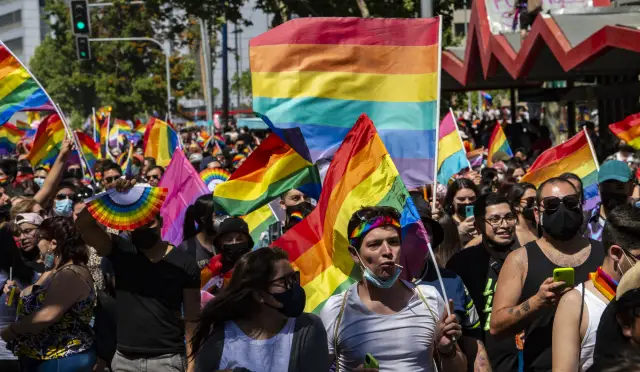
Chile has come a long way in terms of LGBT+ rights. Since the passage of the Anti-Discrimination Law (Zamudio Law) in 2012, important milestones have been achieved that have changed the lives of thousands of people.
| Law / Recognition | Year |
|---|---|
| Zamudio Law (anti-discrimination) | 2012 |
| Recognition of LGBT+ families | 2015 |
| Gender Identity Law | 2018 |
| Equal marriage | 2022 |
These legal advances have been the fruit of years of struggle, visibility, and social pressure. However, issues such as full same-sex adoption, the implementation of a comprehensive transgender law, and inclusive sex education at all school levels remain unresolved.
Tourism and economic impact
Pride Month generates significant economic dynamism in Chile. LGBT+ tourism has been on the rise, attracting domestic and international visitors looking to participate in events, experience the culture, and enjoy a diverse range of hotels, restaurants, and entertainment options.
According to the Equaldex index, Chile is among the countries with the highest scores for LGBT+ equality in Latin America, increasing its appeal as a friendly destination. This positive impact on the local economy reinforces the importance of building more inclusive cities that respect all identities.
FAQ
1. Why is LGBT+ Pride celebrated on June 28?
Because it recalls the Stonewall Riots of 1969, considered the origin of the contemporary LGBT+ movement globally.
2. Which cities in Chile celebrate LGBT+ pride?
In addition to Santiago, the following cities stand out: La Serena, Valparaíso, Concepción, Antofagasta, Viña del Mar, Temuco, and others.
3. What LGBT+ laws currently exist in Chile?
The Zamudio Law (2012), the Gender Identity Law (2018) and Equal Marriage (2022) are some of the most relevant.
4. Are there cultural activities during Pride Month?
Yes, film festivals, art exhibitions, academic seminars, and open talks are held throughout the country.
5. How can I participate in Pride activities?
You can attend marches, register for festivals, support LGBT+ organizations, and share content on social media.
International LGBT+ Pride Day in Chile is a collective expression of joy, resistance, and hope. What began as a commemoration of the Stonewall riots has evolved in the country into a comprehensive movement encompassing marches, art, reflection, politics, and memory. Through citizen participation, community organizing, and activist engagement, Chile has made progress in recognizing rights, but there is still a long way to go. Participating in these activities is not only an act of celebration, but also an act of solidarity and social awareness.
Join the pride, raise awareness, support, and make history.