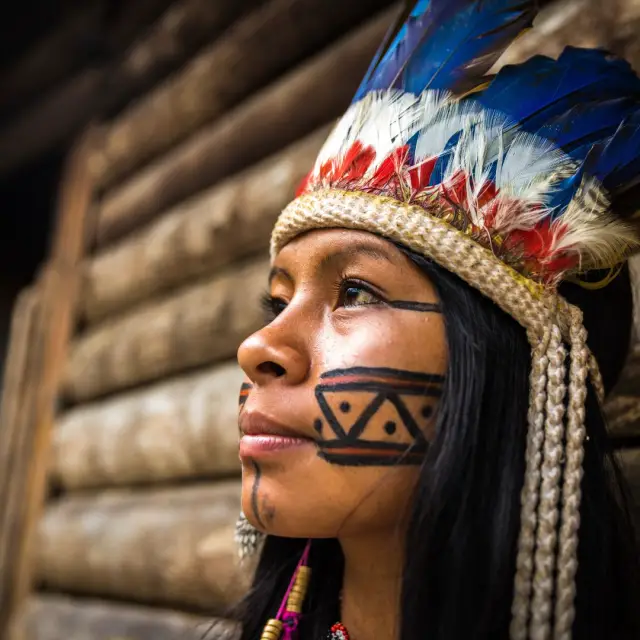
"Indian Day" in Chile is a commemoration that seeks to recognize and value the cultural, historical and social wealth of the country's native peoples. Throughout history, indigenous peoples have played a fundamental role in the formation of Chilean identity, providing knowledge, traditions and a worldview that remains relevant today.
You might be interested in: Celebration of Indian Day in Chile
Origins and Evolution of Indian Day
"Indian Day" in Chile has its roots in the Latin American indigenous movement of the 20th century, which sought to vindicate the rights and identity of indigenous peoples. The celebration was officially established in 1940 during the First Inter-American Indian Congress, held in Pátzcuaro, Mexico, where April 19 was proclaimed as American Indian Day . This congress was a milestone in the fight for indigenous rights, since it brought together representatives from various countries and promoted the creation of specific policies and programs to improve the living conditions of indigenous communities.
In Chile, this commemoration was adopted with the objective of recognizing the importance of indigenous peoples in the formation of the nation. However, over the years, the celebration has had different levels of visibility and government and social support. Despite this, indigenous communities and their allies continue working to make this date a moment of reflection and action.
Indigenous Peoples of Chile
Chile is home to a diversity of indigenous peoples, each with their own culture, language and traditions. Among the best known are the Mapuche, Aymara, Rapa Nui, Quechua, Diaguita, Atacameño (Likan Antai), Kawésqar and Yámana, among others. Each of these towns has contributed significantly to Chile's cultural wealth and continues to play a crucial role in Chilean society.
Mapuche
The Mapuche are the largest indigenous group in Chile. Historically, they have inhabited the southern regions of the country, especially in La Araucanía. The Mapuche have a rich cultural tradition that includes their language, Mapudungun, and a worldview deeply connected to nature. Over the centuries, they have bravely resisted Spanish colonization and, later, the expansion of the Chilean state, fighting to maintain their autonomy and territory.
Aymara
The Aymara, who live mainly in the highlands of northern Chile, have a history that dates back to pre-Inca times. Their culture is characterized by terrace agriculture, raising llamas and alpacas, and a community-based social structure. The Aymara have maintained their traditions and their language, Aymara, despite the challenges of modernization and migration.
Rapa Nui
The Rapa Nui, inhabitants of Easter Island, are famous for their moais, gigantic stone statues that are one of the most recognizable symbols of Chile. The island has a unique culture, with its own language, Rapanui, and a history marked by the arrival of the Polynesians, European colonization and attempts to preserve its identity in a globalized world.
Other Indigenous Peoples
Chile is also home to other indigenous peoples such as the Quechua, who share cultural roots with the Andean peoples of Peru and Bolivia; the Diaguita, known for their skill in ceramics and agriculture; the Atacameños or Likan Antai, who live in the Atacama Desert; and the Kawésqar and Yámana, canoeing peoples from the extreme south of Chile, whose life has been intrinsically linked to the sea.
Current Challenges of Indigenous Peoples
Despite efforts to recognize and value indigenous culture, indigenous peoples in Chile continue to face a number of significant challenges. These include discrimination, poverty, lack of access to basic services and the fight to recover ancestral lands.
Discrimination and Racism
Discrimination and racism towards indigenous peoples remain persistent problems in Chile. Indigenous communities are often stigmatized and face barriers to accessing educational and employment opportunities. This structural discrimination limits the development of these communities and perpetuates social exclusion.
Poverty and Access to Basic Services
Poverty rates in indigenous communities are usually higher than in the general population. The lack of access to basic services such as education, health and adequate housing is a reality for many indigenous people in Chile. This not only affects their quality of life, but also limits their ability to fully develop and contribute to society.
Recovery of Ancestral Lands
The fight to recover ancestral lands is one of the main conflicts faced by indigenous peoples in Chile, especially the Mapuche. Historically, these lands were expropriated during colonization and, later, during the expansion of the Chilean state. Despite some restitution policies, many communities still struggle to recover lands they consider essential to their identity and cultural survival.
Education and Preservation of Culture
The preservation of culture and language is another crucial challenge. Although there has been progress in incorporating intercultural bilingual education in some schools, many indigenous languages are in danger of extinction. Globalization and migration to cities have also contributed to the loss of cultural traditions.
Initiatives and Advances
Despite these challenges, there have been important advances in the recognition and support of indigenous peoples in Chile. Various governmental and non-governmental initiatives seek to improve the situation of these communities and promote greater respect for their culture and rights.
Government policies
The Chilean government has implemented several policies to support indigenous peoples. The Indigenous Law of 1993 was an important milestone, as it officially recognized indigenous peoples and established the National Indigenous Development Corporation (CONADI). This organization has the mandate to promote the comprehensive development of indigenous communities and manage land restitution.
Bilingual Intercultural Education
Intercultural bilingual education is a key initiative to preserve and revitalize indigenous languages. This educational approach not only teaches children in their native language, but also incorporates elements of their culture into the curriculum. This not only improves educational outcomes, but also strengthens the cultural identity of indigenous students.
Indigenous Movement and Activism
The indigenous movement in Chile has gained strength in recent decades, with numerous organizations and leaders advocating for the rights of their communities. These organizations work in areas such as the defense of territory, human rights and the promotion of indigenous culture. Through social mobilization, indigenous communities have managed to put their demands on the public agenda and push for significant changes.
Political Representation
The political representation of indigenous peoples has gradually improved. In recent years, there has been a greater effort to include indigenous leaders in parliament and other governing bodies. This representation is crucial to ensure that policies and decisions reflect the needs and aspirations of indigenous communities.
Celebrations and Commemorations
"Indian Day" is an opportunity to celebrate and make visible the cultural wealth of indigenous peoples. Throughout the country, various activities take place, from traditional ceremonies and cultural fairs to debates and conferences that address current challenges.
Traditional Ceremonies
Traditional ceremonies are a central part of the celebrations. These ceremonies, which vary depending on the indigenous people, include rituals, dances and songs that have been passed down from generation to generation. For example, the Mapuche celebrate We Tripantu, the Mapuche new year, with ceremonies that honor the renewal of nature.
Cultural Fairs
Cultural fairs offer a platform for indigenous people to showcase their crafts, gastronomy and music. These events not only allow visitors to learn more about indigenous cultures, but also provide a source of income for indigenous communities.
Debates and Conferences
Debates and conferences are important spaces to discuss the problems faced by indigenous peoples and seek solutions. These events often feature academics, activists and indigenous leaders who share their perspectives and experiences.
"Indian Day" in Chile is more than a celebration; It is an opportunity to reflect on the nation's relationship with its indigenous peoples. Although there has been significant progress, there is still much to be done to ensure that the rights and dignity of indigenous peoples are fully respected and valued.
It is essential that Chilean society continues to work towards the inclusion and recognition of indigenous communities, not only in terms of policies and laws, but also in everyday practice. This implies a commitment to justice, equality and respect for the cultural diversity that has enriched Chilean identity from its roots.