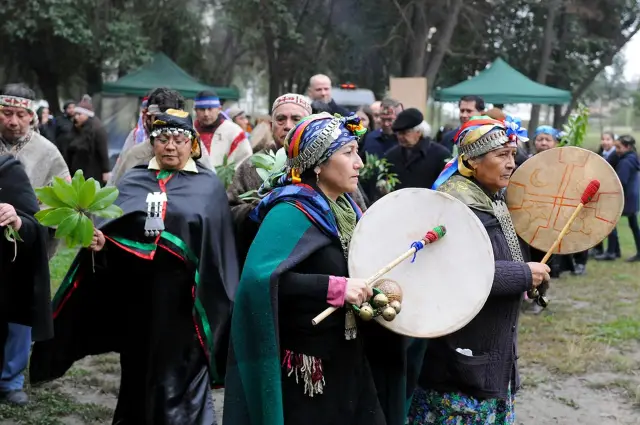
The Mapuche New Year , known as We Tripantu , represents one of the most significant moments within Mapuche culture. This ancestral festival coincides with the winter solstice in the southern hemisphere, when the day is shortest and the night is longest, giving way to the progressive return of the sun and the beginning of a new life cycle. In 2025, We Tripantu will not only be celebrated intensely in rural communities in southern Chile, but will also take on special relevance in urban and academic contexts, where recognition and respect for indigenous peoples are promoted. The celebration of We Tripantu has become a space for cultural revitalization, intergenerational exchange, and identity reaffirmation, where both children and adults actively participate in rituals, songs, and ceremonies that connect the present with ancestral wisdom.
What is We Tripantu?
Origin and meaning
The term We Tripantu , translated from Mapudungun, means "the new sunrise" or "the return of the sun." It is a date that marks the end of one cycle and the beginning of another, governed by the stars, especially the sun, which represents the engine of life. This cyclical view of time differs from the Gregorian calendar, as it is based on natural and agricultural cycles carefully observed for generations. For the Mapuche people, this date is much more than a celebration: it is a renewal of the bond with nature, ancestors, and spirituality, and therefore has a deeply sacred and symbolic character.
Ancestral and philosophical context
Since ancient times, Mapuche communities have understood that the balance of life depends on harmony with the natural elements: earth (ñuke mapu), water (ko), air (puelche), and fire (kütral). During We Tripantu, these philosophical principles are reaffirmed through spiritual practices guided by the Machi (spiritual leader) or the Lonko (traditional authority), who convey messages of respect for nature, one's neighbors, and the community's protective spirits. This worldview is transmitted orally, making We Tripantu an ideal time to share stories, songs, and knowledge with new generations.
When is it celebrated in 2025 and why?
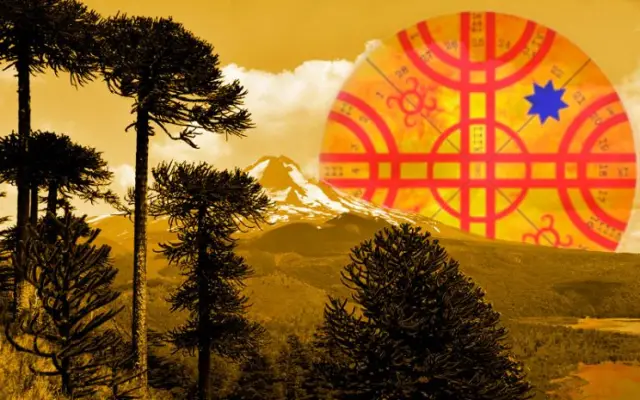
In 2025, the winter solstice in the Southern Hemisphere will occur on June 21 at 9:22 a.m. (local time) . However, We Tripantu celebrations typically extend over several days, generally between June 21 and 24, allowing communities to prepare their rituals and collectively share this new beginning. The Mapuche calendar is lunar and agricultural, so observation of the behavior of the stars, rainfall, and the growth of certain plants also influences preparations. In recent years, many schools, universities, and public institutions have begun to include We Tripantu in their cultural calendars, promoting respect and knowledge of this important Indigenous celebration.
Preparations for We Tripantu
Spiritual cleansing (Ngechiñ)
Before the dawn of the new cycle, families perform a spiritual cleansing called Ngechiñ , which may include washing with spring or sea water to purify the body and soul. This act symbolizes the release of negative energies accumulated during the past year and the opening of new opportunities. In some communities, natural incense such as cinnamon is lit or branches of medicinal herbs are used. Home spaces are also tidied, ceremonial utensils are cleaned, and the altar is prepared where homage to the ancestors will be paid.
Food preparation and clothing
Food plays a central role in We Tripantu. Families prepare traditional dishes such as catuto (cooked wheat dough), sopaipillas , and muday (a fermented wheat or corn drink), as well as casseroles, tortillas, and meats roasted on communal stoves. Each dish has a ritual value, representing fertility, the year's hard work, and gratitude for the harvest. As for clothing, attendees wear their finest traditional attire: women wear dark dresses with embroidered sashes and silver ornaments, while men wear ponchos, trarilonco (headbands), and woven wool blankets.
We Tripantu main ceremony
Machitún and prayers to the sun
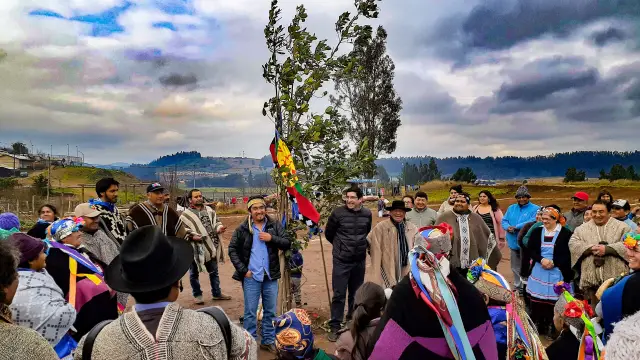
At dawn, a ceremony is held, guided by the Machi, who invokes spiritual forces and offers prayers to the rising sun. The sacred fire (guillatún) is lit in the center of the community, and around it, songs, prayers, and dances are performed to welcome the new cycle with wisdom and health. This moment is deeply emotional, as family and community commitments are reaffirmed, the elders are honored, and those who have passed away are remembered. Sunrise marks the culmination of We Tripantu, where everyone raises their hands in a sign of gratitude and renewal.
Sharing meals and music
After the ceremony, the community gathers to share the prepared food, strengthening solidarity and the collective bond. Traditional songs such as the Ülkantun are heard, instruments such as the kultrún , trutrucas , and pifilkas are played, and circle dances are performed. Music and oral poetry are essential to keeping the Mapuche language (Mapudungún) alive, as they express the history of the people, their connection to the land, and their cultural resistance to centuries of colonization.
Celebration spaces in Chile 2025
Featured communes and communities
In 2025, several communities in southern Chile will offer activities open to the public to celebrate We Tripantu. Temuco , the capital of La Araucanía, will be one of the main epicenters, with events in Plaza Teodoro Schmidt and Parque Isla Cautín. In Padre Las Casas , a massive ceremony led by Lafkenche and Wenteche communities is expected. In Villarrica , Purén , and Carahue , Mapuche cultural centers organize workshops, fairs, and intergenerational gatherings that include gastronomy, crafts, and ancestral medicine.
Cultural and tourist activities
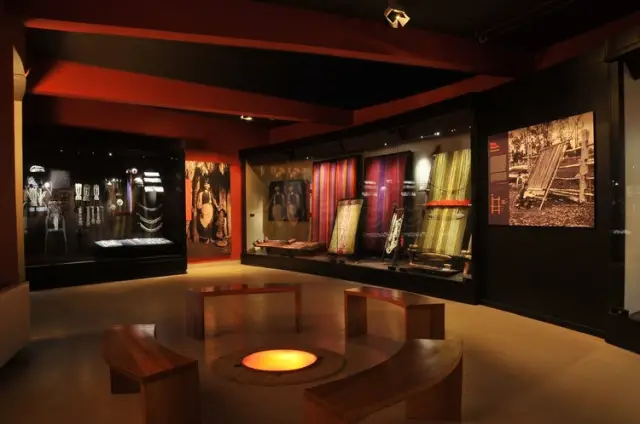
In addition to traditional ceremonies, museums such as the Regional Museum of La Araucanía , the Mapuche Museum of Cañete , and the Ruka Kimun Museum will host exhibitions, talks, and immersive experiences where visitors can learn about Mapuche textiles, instruments, language, and spirituality. Ethnic tourism routes will also be offered, with guided tours to rural communities where We Tripantu can be experienced in its most authentic form.
Socio-environmental and cultural importance
Revitalization of language and knowledge
We Tripantu acts as a natural platform for revitalizing the use of Mapudungun , especially among children and young people participating in intercultural schools. During the preparations, key words, songs, and stories are taught to reinforce linguistic identity. This practice is essential for the survival of the language, which UNESCO considers endangered.
Institutional recognition and rights
In recent years, various municipalities have begun to institutionalize We Tripantu as a local holiday or a day of intercultural reflection. By 2025, the Ministry of Culture is expected to provide formal support for more than 100 celebrations throughout the country. This not only strengthens intercultural dialogue but also represents a step toward recognizing the cultural rights of Indigenous peoples enshrined in international treaties such as ILO Convention 169.
Recommendations for visitors
Attend with an open and respectful mind : remember that you are participating in a spiritual ceremony, not a tourist spectacle.
Check with the organizers : If you want to photograph or record, ask the community leaders first.
Bring a symbolic offering : food, seeds or natural elements are well received if given with respect.
Support the local economy : buy authentic crafts directly from producers and avoid middlemen.
Participate actively : sing, listen, talk. The experience is enriched by dialogue.
We Tripantu 2025 presents itself as an invaluable opportunity to reconnect with our roots, understand the value of natural cycles, and strengthen dialogue between cultures. Far from being a folkloric festival, it represents a profound worldview that promotes harmony between people, the environment, and the universe. In a world experiencing climate crisis and spiritual disconnection, the teachings of the Mapuche people have much to contribute. Participating in this celebration, whether as an observer or as an active participant, is an invitation to grow, respect, and share from the depths of one's being.