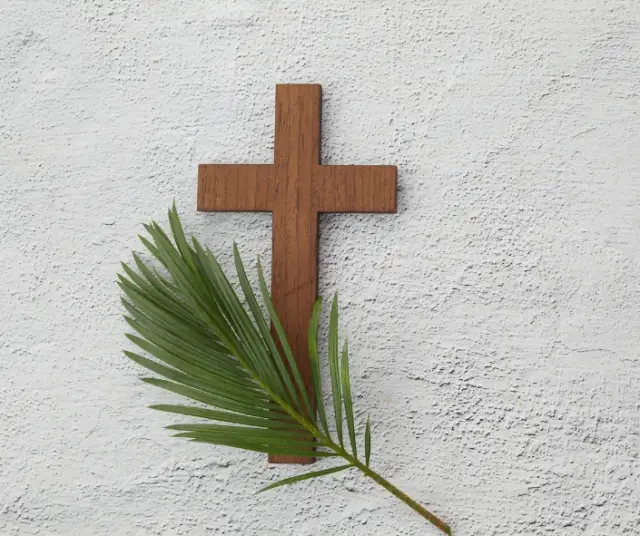
Holy Week is a religious holiday of great importance in Chile, where the Catholic tradition has a strong presence in culture and society. Over the years, the celebration of Holy Week in this South American country has acquired unique nuances, fusing religious beliefs with local customs.
Historical Background of Holy Week in Chile
The celebration of Holy Week in Chile has deep historical roots that date back to the arrival of the Spanish colonizers in the 16th century. The influence of colonization left an indelible mark on Chilean culture, and the Catholic religion became a fundamental pillar that would shape the traditions and customs of the country.
From the early days of colonization, Spanish missionaries and priests introduced religious practices associated with Holy Week, with the purpose of spreading the Catholic faith among the indigenous population and settlers. These practices included processions, theatrical representations of the Passion of Christ and other rituals that sought to commemorate the death and resurrection of Jesus Christ.
As the Chilean population converted to Catholicism, Holy Week became increasingly embedded in the country's cultural identity. Churches became centers of celebration, and communities began to incorporate local elements into festivities, fusing Catholic beliefs with native traditions.
During the 17th and 18th centuries, Holy Week in Chile experienced a surge in religious fervor, with the construction of numerous churches and chapels dedicated to the commemoration of these sacred events. The brotherhoods and brotherhoods, responsible for organizing processions and maintaining religious images, became fundamental actors in the dissemination and practice of the faith during this time.
Religious Processions: A Manifestation of Faith
One of the most visible expressions of the celebration of Holy Week in Chile are the religious processions that take place in various cities and towns. These processions, often held outdoors, attract crowds of worshipers and curious alike.
In Santiago, the capital of Chile, the most notable procession takes place on Good Friday. The Plaza de Armas becomes the main stage, where various brotherhoods and brotherhoods parade carrying religious images of great historical and devotional value. Participants wear purple robes, a symbol of mourning and penitence, creating a solemn and reflective atmosphere.
In other cities, such as Valparaíso and Concepción, processions are also significant events. The streets are filled with faithful following the religious images, while the drums resonate and the saetas, traditional Holy Week songs, are sung in the air. These processions are not only manifestations of faith, but also opportunities for the community to come together in a spirit of reflection and solidarity.
Family Rituals and Traditions during Holy Week
Although processions are an important aspect of the celebration, Holy Week in Chile is also a time when families come together to participate in rituals and traditions rooted in local culture. One of the most common customs is the preparation and consumption of traditional dishes associated with this time of year.
"Cazuela de Ave con Mote" is a typical dish that many Chilean families enjoy during Holy Week. This hearty soup is prepared with chicken, vegetables and mote (hulled corn kernels), and is considered comforting and nutritious. It is common for families to share this dish during Good Friday, uniting generations around the table in a gesture of communion and solidarity.
Another deep-rooted tradition is the making of flower carpets. In some locations, especially in northern Chile, communities come together to create intricate carpets of flower petals that decorate the streets through which the processions will pass. This artistic and ephemeral gesture symbolizes the outpouring of love and devotion towards Jesus Christ during Holy Week.
Reflection and Spirituality in Chilean Holy Week
Holy Week is not only a time of festivities and traditions, but also a period of spiritual reflection. Many Chileans take the occasion to participate in special religious services, such as masses and liturgies that remember the events leading up to the crucifixion and resurrection of Jesus Christ.
In the La Araucanía region, the Mapuche community, which has preserved its own traditions over the centuries, also participates in special rituals during Holy Week. The mixture of Catholic spirituality with the ancestral beliefs of the Mapuche culture adds a unique dimension to the celebrations, showing the cultural diversity that characterizes Chile.
Influence of Celebrations on National Identity
Holy Week in Chile not only has an impact on the religious and family sphere, but also contributes to the construction of national identity. The celebrations have become a unique expression of Chilean culture, fusing Catholic roots with native and regional elements.
Chile's geographical diversity is reflected in the different ways in which Holy Week is celebrated throughout the country. From urban solemnities in Santiago to the most intimate processions in remote towns, each region brings its own nuance to the festival. This diversity strengthens the sense of national unity, while celebrating local particularities.
As Chile has experienced social and cultural changes, Holy Week celebrations have also evolved. In some urban areas, the holiday has taken on a more secular character, with an emphasis on cultural and recreational activities. However, in other regions, there has been renewed interest in reviving ancient traditions and preserving the authenticity of religious celebrations. In addition, Holy Week in Chile has also faced logistical and organizational challenges. Increasing urbanization and the demands of modern life sometimes make it difficult to actively participate in religious processions and events. Despite these challenges, Holy Week remains a crucial time for most Chileans, who seek to balance everyday obligations with participation in these significant festivities.