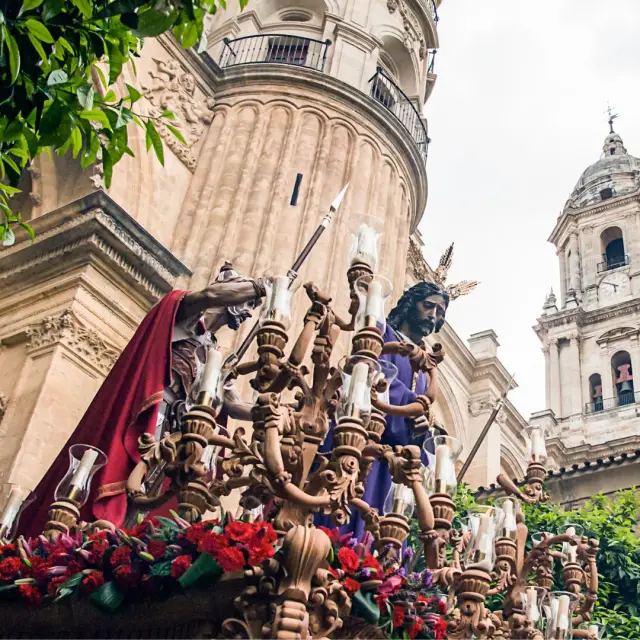
Holy Week is one of the most important religious holidays in Chile and in the Christian world. During this week, which in 2025 will be celebrated from April 13 to 20, the faithful commemorate the passion, death and resurrection of Jesus Christ. In Chile, this celebration is marked by a combination of religious traditions, cultural events and tourist activities, making it a special period for believers and travelers alike.
Meaning of Holy Week
Holy Week is a Christian celebration that begins on Palm Sunday and ends on Easter Sunday. Each day has a special meaning:
Palm Sunday (April 13) : Represents the triumphal entry of Jesus into Jerusalem, where he was greeted with palm and olive branches.
Holy Thursday (April 17) : Commemorates the last supper of Jesus Christ with his disciples and the institution of the Eucharist.
Good Friday (April 18) : The passion and crucifixion of Christ is remembered, a day of reflection and fasting.
Holy Saturday (April 19) : Day of mourning and meditation awaiting the Resurrection.
Easter Sunday (April 20) : Celebrates the victory of Jesus Christ over death and sin, a day of joy for Christians.
Easter traditions in Chile
Masses and Processions
Special masses are celebrated in all Catholic churches in the country. Processions are one of the most visible expressions of faith, the most emblematic being:
Santiago : The Metropolitan Cathedral organizes a procession with thousands of faithful.
Valparaíso : Stations of the Cross are held on the hills, with the one at the La Matriz Church standing out.
Chiloé : In Castro and Ancud, the heritage churches are filled with devotees who participate in nightly processions.
Gastronomic Customs
Easter gastronomy in Chile is influenced by the tradition of not eating red meat, so fish and seafood are the stars:
Conger eel stew : Iconic dish immortalized by Pablo Neruda.
Seafood empanadas : A popular alternative on the Chilean coast.
Sopaipillas and traditional sweets : They are prepared in several regions as part of the celebration.
Tourist destinations for Easter 2025
Holy Week is also an opportunity for religious tourism and relaxation. Some of the best destinations to visit in Chile during this time include:
1. Chiloé Island
Famous for its wooden churches, many of which are World Heritage Sites, Chiloé is an ideal destination for those seeking a faith experience in a unique natural and cultural setting.
2. Elqui Valley
A perfect place for reflection and rest. Its clear skies, green valleys and historic temples make the Elqui Valley an ideal destination for a spiritual Holy Week.
3. Santiago and its Metropolitan Cathedral
Chile's capital is home to the imposing Metropolitan Cathedral, where masses and special events are held. In addition, the Santa Lucía and San Cristóbal hills are spaces for meditation and contemplation.
4. Pichilemu and the Central Coast
For those looking for a break by the sea, Pichilemu and other beaches in the central area offer a peaceful atmosphere, ideal for disconnecting and reflecting.
Holy Week 2025 and Religious Tourism
Religious tourism has grown in Chile, attracting not only pilgrims but also tourists interested in Christian history and culture. By 2025, the influx of visitors to places of religious significance is expected to increase, so planning ahead is recommended.
Tips for Living a Full Holy Week
Attend religious celebrations : Participating in masses and processions can be an enriching experience.
Respect local traditions : Many communities have their own customs that are worth knowing and respecting.
Enjoying traditional cuisine : Trying traditional dishes is a way to experience the culture of Holy Week.
Taking time for reflection : Whether in a natural setting or in the tranquility of your home, Holy Week is a time for introspection.
Holy Week 2025 in Chile will be an opportunity to renew faith, share with family and learn about the country's diverse cultural and religious manifestations. Whether participating in processions, enjoying traditional cuisine or traveling to spiritual destinations, this date invites reflection and connection with the traditions that have marked Chilean identity for centuries.