Chile's natural heritage is among the most valuable in South America. Its geographical diversity—from the driest desert in the world to ancient glaciers—makes Chile a unique destination. However, many of these landscapes are now at risk due to climate change, overexploitation, and pollution. In this article, we explore the places we could lose if we don't act now, and how to visit them responsibly.
How climate change threatens Chile's natural heritage
Chile is considered one of the countries most vulnerable to the effects of climate change. Prolonged droughts, forest fires, melting glaciers, and loss of biodiversity are just some of the visible impacts.
The Ministry of the Environment has indicated that the most affected areas are the Valparaíso Region, Araucanía, and Patagonia. The ecosystems in these areas are home to unique species, many of them endemic, which face a growing risk of extinction.
The main factors contributing to deterioration include:
Rising temperatures that disrupt Andean ecosystems and glaciers.
Water scarcity and desertification affecting wetlands and forests.
Urban expansion and unregulated tourism in protected areas.
The most threatened Chilean landscapes you should know about
Atacama Desert and its salt flats
The Atacama Desert is a fragile ecosystem facing pressure from lithium mining and intensive tourism. Salt flats like the Atacama and Tara salt flats are home to flamingos, vicuñas, and flora adapted to extreme conditions.
Visiting responsibly means choosing certified tour operators , avoiding leaving waste, and respecting bird nesting areas.
Valdivian forest and coastal mountain range
In southern Chile, the Valdivian forests are true relics of the Ice Age. They are one of the oldest ecosystems on the planet, home to species such as the monito del monte (a small marsupial) and the pudú (a small deer).
Changing rainfall patterns and illegal logging threaten its natural regeneration. Parks like Oncol , Alerce Costero , and Pumalín Douglas Tompkins are ideal for sustainable hiking.
Patagonian glaciers and Southern Ice Fields
Chilean glaciers are a living testament to our planet's climate, but they are retreating at an alarming rate. The Southern Patagonian Ice Field has lost more than 10% of its mass in recent decades.
Scientific and responsible tourism can be a key tool for its conservation. In places like Bernardo O'Higgins National Park and Exploradores Glacier, guided tours with low environmental impact are promoted.
Wetlands of the north and center of the country
Wetlands are essential for water regulation and biodiversity. However, many are being drained or polluted. Critical examples include the Batuco Wetland and the Lluta Wetland in Arica.
Chile has made progress in creating Nature Sanctuaries , but environmental education remains the best defense.
Chiloé Island and its unique ecosystem
Chiloé is not only famous for its heritage churches, but also for its coastal and forested ecosystem . Tides and sea temperatures have changed, affecting artisanal fishing and the balance of the ecosystem.
Community-based rural tourism is emerging as an alternative to preserve local identity and generate sustainable income.
What can you do to protect Chile's natural heritage?
Caring for Chile's landscapes begins with small, everyday actions. Here are some specific recommendations:
She prefers responsible tourism and operators with the SERNATUR Sustainable seal.
Reduce your water and energy consumption during your travels.
Participate in local reforestation campaigns.
Promote pride in Chilean natural heritage on social media, highlighting good practices.
Avoid buying products derived from endangered species or of uncertified origin.
Every visitor can be an agent of change if they travel with respect and environmental awareness.
Protected areas that inspire hope
Despite the challenges, Chile has made significant progress in conservation. It currently has more than 100 protected wilderness areas , including national parks, reserves, and natural monuments.
Emblematic examples include:
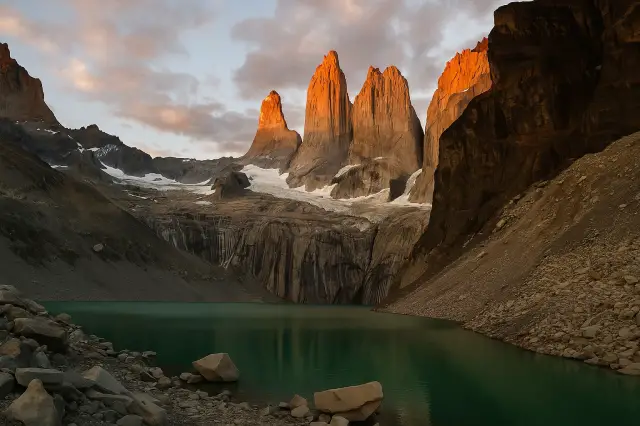
Torres del Paine National Park , a world icon of ecotourism.
Kawésqar National Park , created in collaboration with indigenous communities.
Los Flamencos National Reserve , in the heart of the high plateau.
The joint work between the State, local communities and environmental NGOs is making a tangible difference in the protection of the territory.
The emotional value of our landscapes
Beyond its ecological value, Chile's natural heritage represents identity, memory, and belonging. Every mountain, river, or forest tells a shared story.
Visiting these places before they change should not be seen as a tourist emergency, but as an opportunity to reconnect with nature and become aware of what is at stake.