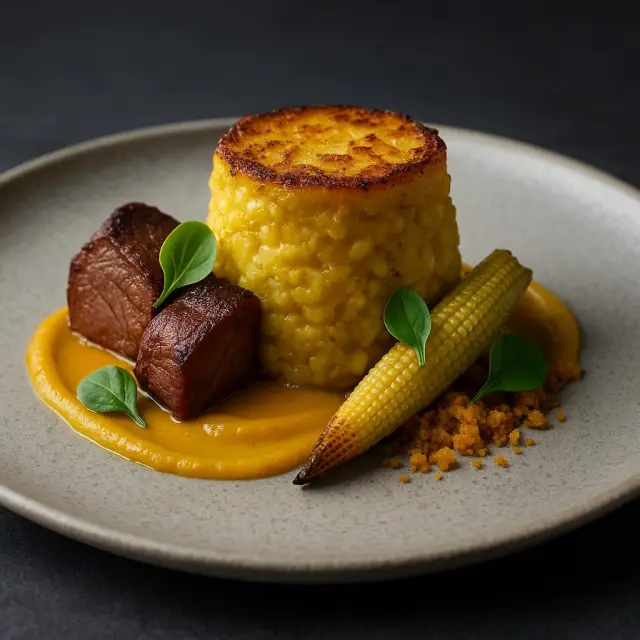
Modern Chilean gastronomy is undergoing a profound transformation. What was once known as a traditional cuisine based on home-cooked stews, Pacific seafood, and local flavors is now being renewed with creativity, technique, and an international perspective.
Young and established chefs are reinterpreting traditional dishes—such as corn pie, charquicán, or cazuela—with contemporary presentations and fusions that incorporate Peruvian, Japanese, French, and Nordic influences.
This evolution does not seek to erase history, but to give it a new voice. Chilean cuisine of the 21st century draws its inspiration from the land, the revival of local products, and the dialogue between tradition and innovation.
How signature cuisine was born in Chile
The concept of signature cuisine began to consolidate in Chile in the late 2000s, when several chefs trained abroad returned with new techniques and a different vision of national food.
Among the pioneers are names such as:
Rodolfo Guzmán , creator of Boragó, a restaurant that has placed Chile on international lists of the best in the world.
Gustavo Sáez , a master pastry chef recognized for his work with native ingredients.
Carolina Bazán , from the Ambrosia restaurant, who has brought a Franco-Chilean fusion proposal with a sustainable focus.
They —along with a younger generation that today leads projects in regions— have promoted the appreciation of Chilean products as a core element of identity.
Modern fusions that define current Chilean cuisine
The 21st century has brought with it a gastronomic openness that combines global techniques with local ingredients. Some of the most notable fusions include:
Chilean Nikkei , which combines the best of Japanese cuisine with seafood from the south and chili peppers from the north.
Andean fusion , where the use of quinoa, purple corn and highland herbs is mixed with signature preparations.
Renewed European influences , in which chefs reinterpret French and Spanish cuisine with Chilean products such as loco, piure or Magellanic lamb.
Contemporary vegetable cuisine , a growing trend that revalues the legumes, algae and vegetables of the territory.
These combinations are not mere fads: they reflect the search for a contemporary gastronomic identity , where each dish tells a story about the territory and the memory of flavor.
Local ingredients turned into stars
The new Chilean cuisine has revived ingredients that were once considered secondary. Today, products like maqui berries , pine nuts , murta berries, merquén ( a Chilean spice blend), luche seaweed , and golden crab are becoming the stars of tasting menus and signature dishes.
This revival not only promotes culinary value but also sustainability and collaboration with local communities. Many restaurants have established direct partnerships with small-scale fishermen, harvesters, and farmers.
Furthermore, the "zero kilometer" or "farm to table" trend is gaining ground in Santiago, Valparaíso, La Araucanía and Patagonia, connecting cuisine and territory.
Regions as new gastronomic capitals
While Santiago concentrates much of the gourmet offerings, the regions are gaining prominence. Cities like Valdivia , Puerto Varas , La Serena , and Coyhaique are developing culinary projects that combine tourism and sustainable cuisine.
Notable examples include gastronomic routes where visitors can participate in harvests, workshops, or sensory experiences centered around wine, cheese, or berries.
This regional boom reinforces the concept of Chile as a diverse gastronomic country , where each area has its own flavor and identity.
Current trends in Chilean gastronomy
In recent years, clear trends have emerged that define Chilean gastronomy in the 21st century :
Conscious cooking: greater concern for the environmental footprint and the ethical use of resources.
Technological innovation: use of techniques such as controlled fermentation, vacuum cooking and natural smoking.
Social gastronomy: projects that integrate vulnerable communities or that promote the culinary profession as a development tool.
Gastronomic tourism: routes and festivals dedicated to local food, from the arid north to Patagonia.
These trends connect with a young and global audience that seeks authentic and responsible experiences.
Chilean gastronomy as a cultural ambassador
Today, Chilean cuisine is more than just food: it's a cultural expression. Restaurants, fairs, and food festivals have become platforms for identity, where the country showcases its natural and human diversity.
Events such as the Ñam Festival , the Paula Gourmet Market , or the regional fairs of native products are spaces where tradition, innovation, and culinary education converge.
In this context, modern Chilean gastronomy not only nourishes, but also communicates who we are as a society: creative, diverse and constantly evolving.
To learn more about Chilean culture, holidays, and celebrations, visit the CalendarioChile.com blog, where we explore the traditions that give flavor to our country.