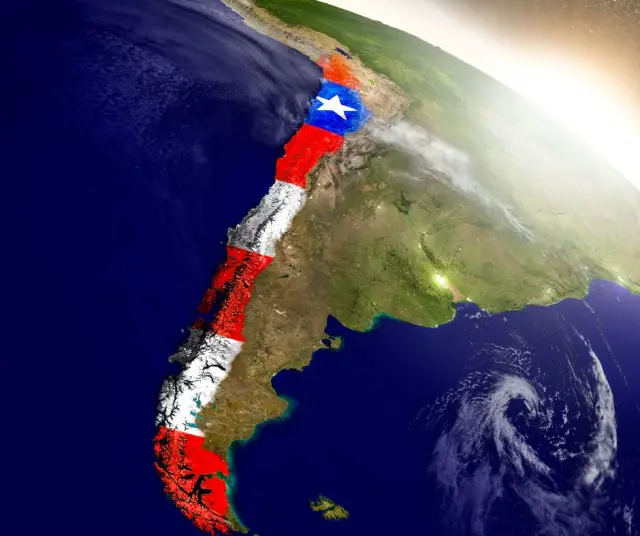
Indian Day in Chile, celebrated on June 24, is a holiday that seeks to recognize and honor the contributions of indigenous peoples to Chilean culture, history and society. This date coincides with the winter solstice in the southern hemisphere, an event of great significance for many indigenous Andean cultures. Although it is not an official celebration date on the national calendar, it has a profound impact on indigenous communities and the country's cultural consciousness.
Origins and Meaning of Indian Day
Indian Day has its roots in the commemoration of Inti Raymi, an ancient Inca festival in honor of the sun god, Inti. This celebration, which coincides with the winter solstice, marks the beginning of a new agricultural cycle and is an occasion to give thanks and ask for good harvests. In Chile, June 24 also celebrates We Tripantu, the Mapuche New Year, a date of great importance for the Mapuche people, the largest indigenous community in the country. We Tripantu means "new sunrise" and symbolizes rebirth and renewal of life.
The celebration of Indian Day in Chile is an opportunity to reflect on the richness and cultural diversity of indigenous peoples, as well as to recognize the historical and contemporary challenges they face. This date is a reminder of the need to preserve and promote ancestral languages, traditions and knowledge, and to promote respect and inclusion of indigenous communities in Chilean society.
Diversity of Indigenous Peoples in Chile
Chile is home to a diversity of indigenous peoples, each with their own language, culture and traditions. Among the most numerous are the Mapuches, Aymaras and Diaguitas. Additionally, there are the Atacameños, Quechuas, Rapa Nui, Kawésqar and Yaghanes, each contributing uniquely to the country's cultural mosaic.
Mapuche town
The Mapuche people are the largest indigenous group in Chile. Their communities are mainly located in the regions of La Araucanía, Los Ríos and Los Lagos. The Mapuche have a rich cultural and spiritual tradition, which includes ceremonies such as We Tripantu and Guillatún, a religious ceremony that seeks to give thanks and ask for prosperity. The Mapudungun language and traditional agricultural and weaving practices are fundamental elements of Mapuche identity.
Aymara people
The Aymaras are found mainly in the northern highlands of Chile, in the regions of Arica and Parinacota, and Tarapacá. Their culture is deeply influenced by the Andean environment, with agricultural practices adapted to high altitude conditions and a strong bond with the land. Celebrations such as Anata (Aymara carnival) and Machaq Mara (Aymara New Year) are important events that reflect their worldview and connection with natural cycles.
Rapa Nui Village
The Rapa Nui people inhabit Easter Island, known in the indigenous language as Rapa Nui. Its culture is famous for impressive moai statues and for its complex traditions of sailing and art. The Rapa Nui celebrate Tapati, a two-week festival that includes sports competitions, dances and the coronation of a queen, reflecting their rich cultural heritage.
Indian Day Celebrations
Indian Day celebrations vary between different indigenous communities, each highlighting their own traditions and cultural practices. Below are some of the most significant festivities and rituals.
We Tripantu: Mapuche New Year
We Tripantu is one of the most important celebrations for the Mapuche people. This holiday marks the beginning of a new cycle of life, coinciding with the winter solstice. During We Tripantu, families gather to perform ceremonies that include cleansing the house and body, renewing commitments to nature and the community, and performing rituals to ask for the fertility of the land.
Activities include the nguillatun ceremony, a collective prayer where food and drinks are offered to the spirits and they ask for the prosperity and well-being of the community. Traditional dances and songs are also performed, known as "ül", which are accompanied by instruments such as the kultrún (ceremonial drum) and the trutruka (Mapuche trumpet).
Machaq Mara: Aymara New Year
Machaq Mara, celebrated on June 21, is the Aymara New Year and also coincides with the winter solstice. This holiday is a time to renew ties with nature and ancestors, and to ask for good harvests and well-being. Ceremonies usually take place in sacred places, where offerings of coca leaves, corn, wool and other traditional products are made.
An essential part of the Machaq Mara is the "Wilancha", a ritual sacrifice of a llama to thank Pachamama (Mother Earth) and ask for the fertility of the land. Bonfires are also lit and traditional dances and music are performed with instruments such as the zampoña and the charango.
Tapati Rapa Nui
Although it does not coincide directly with Indian Day, Tapati Rapa Nui is a significant cultural celebration on Easter Island that reflects the spirit of cultural recognition and preservation that Indian Day also promotes. This festival is celebrated in February and lasts two weeks, during which traditional sports competitions are held, such as the Haka Pei (log sledding) and the Tau'a Rapa Nui (traditional triathlon).
Activities also include dancing, singing and body painting with traditional symbols. The culmination of the Tapati is the coronation of the queen of the festival, which represents the continuity of Rapa Nui traditions and cultural identity.
Challenges and Achievements in the Fight for Indigenous Rights
Indian Day is not only a cultural celebration, but also an occasion to reflect on the challenges faced by indigenous people in Chile. Despite progress in the recognition of their rights, indigenous communities continue to fight for justice, autonomy and the protection of their territories.
Constitutional Recognition
One of the main challenges has been the constitutional recognition of indigenous peoples. Although Chile's Constitution does not explicitly recognize indigenous peoples, efforts have been made to include their rights in national legislation. The adoption of the Indigenous Law in 1993 and the ratification of ILO Convention 169 in 2008 were important steps towards the recognition of indigenous rights. However, the demand for a new constitution that fully recognizes the cultural diversity and rights of indigenous peoples still persists.
Land and Territory
The fight for land and territory is central for indigenous peoples in Chile. The recovery of ancestral lands and the protection of natural resources are fundamental issues for communities like the Mapuche. Territorial conflicts have led to tensions and confrontations with the State and private companies, especially in Araucanía. The demands include land restitution, environmental protection and the right to self-determination.
Education and culture
The preservation and promotion of indigenous languages and cultures is another crucial challenge. Indigenous communities have worked to revitalize their languages and transmit their traditional knowledge to new generations. The inclusion of bilingual intercultural education in the Chilean educational system has been an important achievement, although its implementation faces difficulties. It is essential that the State supports these efforts and guarantees adequate resources for education and indigenous culture.
Political Representation
The political representation of indigenous peoples has been limited, although in recent years there has been significant progress. The election of indigenous constituents to the Constitutional Convention in 2021 was a historic step towards greater inclusion and representation. However, it is essential that participation and consultation mechanisms continue to be strengthened, ensuring that indigenous voices are heard and considered at all levels of decision-making.
Indian Day in Chile is a celebration that highlights the rich cultural heritage of indigenous peoples and their contribution to national identity. Through festivities such as We Tripantu, Machaq Mara and Tapati Rapa Nui, indigenous communities keep their traditions alive and reinforce their connection with nature and their ancestors.