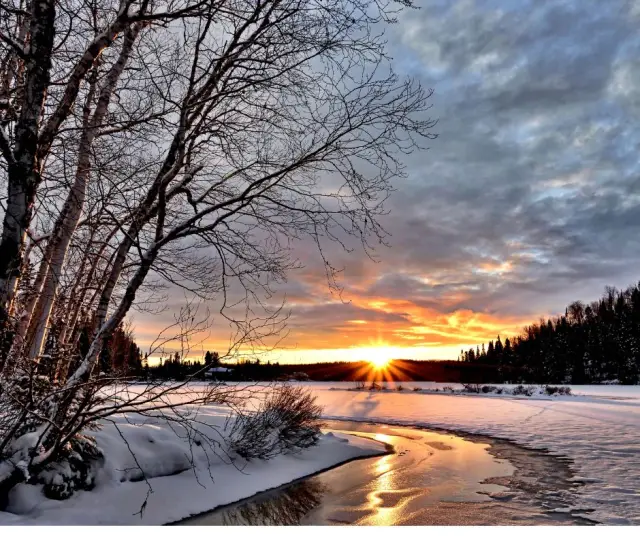
Winter in Chile marks a significant change in the landscape, climate and daily activities of its inhabitants. As temperatures begin to drop and the days get shorter, the country is preparing to receive a season of cold, rain and snow in many of its regions. From the extreme north to Patagonia in the south, winter leaves its unique mark on every corner of this long, narrow South American country.
Climate and Geography
Chile's diverse territory, stretching more than 4,000 kilometers from the Atacama Desert in the north to the glaciers of Patagonia in the south, gives rise to a wide variety of climates during the winter. In the north, regions such as Antofagasta and Arica enjoy mild, arid winters, with sunny days and cool nights. However, as we move south, the climate becomes colder and wetter.
In Santiago, the capital, and other central cities such as Valparaíso and Concepción, winter brings lower temperatures and frequent rain. The Andes Mountains, which stretch across eastern Chile, receive abundant snow during this time of year, attracting winter sports enthusiasts to the numerous ski resorts that dot the region.
In the south of Chile, in regions such as Los Lagos and Aysén, winter is synonymous with a more extreme climate, with temperatures below zero and abundant snowfall. Patagonia, known for its wild landscapes and isolation, is covered in a blanket of white that transforms the region into an impressive spectacle.
Cultural traditions
The beginning of winter in Chile coincides with several festivities and traditions rooted in the country's culture. One of the most important is St. John's Day, celebrated on June 24 on the winter solstice. This festival, of religious origin but with strong pagan influences, marks the point at which the days begin to lengthen again. In many communities, bonfires are lit and rituals are performed to welcome the new cycle of nature.
Another popular tradition during the Chilean winter is the celebration of the National Holidays. Although these festivities take place in September, at the end of winter, they mark the beginning of a period of celebration and camaraderie that extends into spring. During the National Holidays, barbecues, folk dances and typical Chilean cuisine are enjoyed, such as empanadas and red wine.
In the rural areas of southern Chile, where the influence of indigenous cultures is strongest, winter is also a time of celebration and connection to the land. The Mapuche tradition, for example, includes special ceremonies to give thanks for the past harvest and ask for abundance for the next agricultural cycle.
Impact on Nature
Winter has a significant impact on Chile's nature, especially in the mountain ecosystems and temperate forests of the south. Snowfall in the Andes Mountains feeds the rivers and streams that are vital to agriculture and the supply of drinking water in much of the country. Additionally, snow on mountaintops provides crucial habitats for species such as vicuña and condor, which depend on these high mountain environments to survive.
In the southern forests, winter brings a dramatic change in vegetation and wildlife. Many species of trees, such as the coihue and the lenga, lose their leaves, creating a stripped but beautiful landscape. Mammals such as the pudú and huemul prepare to face the harsh winter conditions, while migratory birds such as the black-necked swan find refuge in the coastal wetlands.
However, winter can also pose a challenge for wildlife, especially in areas where natural habitat has been fragmented or degraded by human activity. Forest loss and pressure on natural ecosystems can make it more difficult for some species to find food and shelter during the coldest months of the year.
Winter Activities
Despite the cold and rain, winter in Chile offers a wide range of activities to enjoy for locals and visitors alike. In the southern regions, winter sports such as skiing, snowboarding and snowshoeing are popular, with slopes and trails stretching along the Andes Mountains and the region's volcanoes.
In Santiago and other central cities, winter is an opportunity to enjoy culture and art indoors. Theatres, museums and art galleries offer a variety of events and exhibitions for those who prefer to stay warm indoors.
For those looking for a quieter experience, winter is also a great time to explore Chile's natural beauty. From the mysterious Chiloé Island in the south to the flowery deserts of the north, the country offers impressive landscapes that are uniquely transformed during this season.