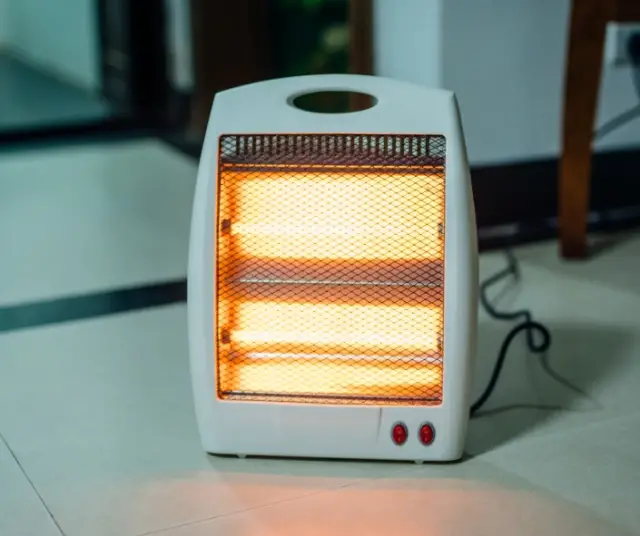
Winter is coming and with it comes the cold. On those frigid days, having a reliable source of heat becomes essential. One of the most popular and efficient devices for providing heat in enclosed spaces is the electric heater. You will discover how these devices can provide you with comfort and the right temperature in your home or workplace.
An electric heater is a device designed to generate heat and increase the temperature in an enclosed space. Unlike combustion or central heating systems, electric heaters are self-contained and portable, allowing them to heat specific areas based on user needs.
These heaters usually use electricity as a power source to generate heat. They work by converting electrical energy into heat, which is then released into the environment. Some electric heater models also include additional features, such as thermostats, timers, and oscillation modes, to provide greater control and comfort for the user.
Types of Electric Heaters
There are various types of electric heaters available on the market, each with specific features and applications. Some of the most common types are:
Convection heaters: These heaters work by heating the air around them and allowing it to circulate by convection. The warm air rises, creating a heat circulation cycle in the room. They are ideal for heating closed spaces and are usually silent.
- Radiation heaters: These heaters emit heat through infrared radiation. They use heating elements, such as filaments or ceramic panels, to generate heat that is directed towards people and nearby objects. They are fast and efficient, but they mainly heat objects instead of directly heating the air.
- Fan Heaters: These heaters use a fan to distribute the heat generated by a heating element. Cool air enters through the bottom of the heater, warms up as it passes through the heating element, and is then exhausted to the room through the fan. They are effective for quickly heating small spaces or for use in rooms with good air circulation.
- Energy efficient heaters: These heaters are designed to be energy efficient and use less electricity. They use advanced technologies, such as ceramic or thermal oil, to maximize heat transfer and minimize energy loss.
Operating Principles
How an electric heater works depends on the specific type of device, but they all share one basic principle: converting electrical energy into heat. To achieve this, they use heating elements, such as resistors or filaments, which heat up when an electrical current is applied.
In convection heaters, cold air circulates through the hot resistances and heats up by direct contact. The warm air, becoming less dense, rises and is replaced by cold air, creating a convection flow that heats the room evenly.
Radiant heaters generate heat through heating elements that emit infrared radiation. This radiation is directed towards nearby people and objects, heating them directly without overheating the surrounding air.
In fan heaters, cool air is drawn in from the bottom of the heater and passes over the heating element, which heats it up. The fan then exhausts the hot air into the room, speeding up the heating process and distributing heat more efficiently.
Benefits and indications for use
Electric heaters offer a number of benefits that make them attractive to many users. Some key benefits include:
Portability: Electric space heaters are portable devices, which means they can be easily moved from room to room as needed.
Easy installation: They do not require complicated installation like central heating systems. They simply plug into a wall outlet and are ready to use.
Temperature Control – Many electric heaters are equipped with thermostats and timers, allowing you to adjust the temperature and schedule the on and off based on personal preference.
Safety: Modern electric space heaters often include safety features, such as overheat protection and automatic tip-over shutoff, making them safer to use.
However, it is also important to take into account some considerations when using electric heaters:
Power Consumption: Electric space heaters can consume a significant amount of power, especially if used for long periods of time. It is important to consider its energy efficiency and look for low consumption models if you want to reduce energy expenditure.
Heating Area Limitation: Electric heaters are efficient for heating small areas or individual rooms. If an entire house needs to be heated, it may be more appropriate to consider combustion or central heating systems.
Electric heaters offer a variety of options to suit individual needs. Considering the aforementioned benefits and considerations, you can choose the type of electric heater that best suits your heating requirements and enjoy a warm and cozy environment on cold winter days.